Deadline: Anvisa receives studies on cannabis cultivation until this Friday
The submission of scientific evidence is essential to support the regulation of cannabis cultivation in Brazil and complies with STJ's determination

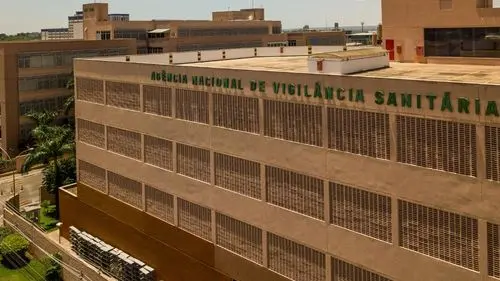
This Friday (12) is the deadline for submitting contributions to the Call Notice 23/2025 from the National Health Surveillance Agency (Anvisa). The initiative aims to compile a compendium of scientific studies already published on the cultivation of cannabis for medicinal and pharmaceutical purposes.
Collecting this evidence is a fundamental step to support the development of future regulatory standards on cultivation in the country. This action complies with the recent determination of the Superior Court of Justice (STJ), which confirmed the competence of the Agency and the Union to address the issue.
Guidelines for submitting studies on cannabis cultivation
The public call process is strictly technical and collaborative, without involving financial rewards. To participate, interested parties must submit their work exclusively through the electronic form provided by Anvisa.
The Agency accepts scientific articles, systematic reviews, and experience reports on cannabis cultivation, as long as they are published in recognized repositories such as PubMed, SciELO, and LILACS. Texts in Portuguese, English, or Spanish are allowed, with the submission of confidential data being prohibited.
Themes and scope of the research
The scope of the call is comprehensive, seeking to cover the necessary aspects for a safe regulation. Anvisa is looking for contributions that address everything from cannabinoid levels to analytical methods for quantifying THC and CBD in cannabis cultivation.
In addition to the chemical aspects, studies on agronomic factors, agroclimatic zoning, and genetic characteristics are requested. The call also allows for the analysis of international regulations and socio-economic impacts related to cannabis cultivation.
After the deadline, a specialized Anvisa committee will have 30 days to evaluate the material. The result will be consolidated in a public report, serving as a technical basis for the new regulation of cannabis cultivation in Brazil.