Glaucoma: CBD is not indicated for treatment, but other cannabinoids may help
Recent studies highlight THC and CBN as key cannabinoids that may assist in treating the condition

Published on 09/16/2024
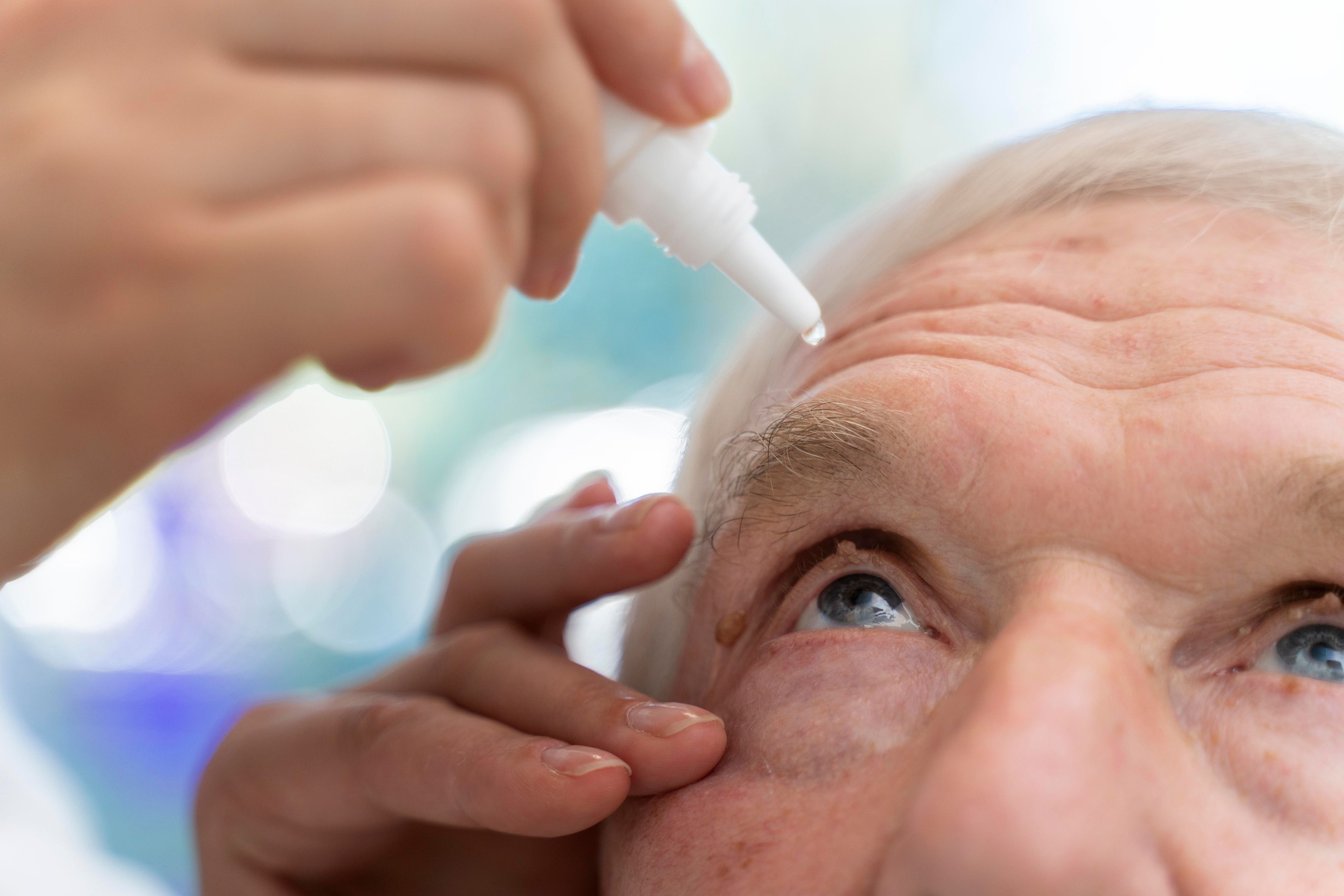
Image: FreePick
Glaucoma, the second leading cause of blindness in the world, is a chronic, progressive, and degenerative disease that affects the optic nerve, responsible for connecting the human eye to the brain and transmitting visual impulses. According to the World Glaucoma Association, it is estimated that around 80 million people suffer from the disease globally.
The most common causes include advanced age, genetic predisposition, corneal thickness, and diabetes. In the early stages, glaucoma is usually asymptomatic. Over time, patients begin to lose peripheral vision, and in more advanced stages, central vision may also be compromised, potentially leading to total blindness.
Since the 1970s, cannabinoids have been studied as potential treatments for glaucoma. Research from that time showed that smoking cannabis could reduce intraocular pressure (IOP), but the effects were temporary and less effective than conventional treatments.
According to ophthalmologist Ricardo Freire Gurgel, tetrahydrocannabinol (THC), a psychoactive cannabinoid, has hypotensive effects, decreasing IOP. A study in mice, published in Investigative Ophthalmology & Visual Science, reported a substantial 28% reduction in IOP for 8 hours after THC administration.
Efficacy of CBN
Formulations based on cannabinol (CBN) have shown potential in reducing IOP and in neuroprotection of retinal cells. Preclinical safety and toxicology studies, along with phase 1 clinical trials in dermatology conducted by a Canadian company, indicate that CBN is safe and well-tolerated.
These studies also suggest that CBN may provide the much-desired "long-lasting effect" in eye drop treatments.
CBG, one of the great allies
Cannabigerol (CBG) acts through interaction with cannabinoid receptors in the brain and eyes, helping to modulate processes such as inflammation and pain, which are relevant for the treatment of glaucoma. CBG has shown properties to reduce IOP and also has a neuroprotective effect, which may help control disease progression, according to Gurgel.
CBD is not indicated for treatment
Unlike other cannabinoids, cannabidiol (CBD) is not recommended for the treatment of glaucoma. “CBD causes mydriasis – dilation of the pupil – and in some patients, especially those with a narrower anterior chamber, it may lead to an increase in intraocular pressure,” explains Gurgel.
Furthermore, research published in Investigative Ophthalmology & Visual Science reported that CBD may interfere with the positive effects of THC.
Controversies in the use of cannabinoids
For Gurgel, the number of studies proving the efficacy of cannabis in treating eye diseases is still limited. Due to the lack of robust research, the use of cannabinoids in the treatment of glaucoma remains a controversial topic among doctors.
“Some specialists question the use of cannabis due to the possibility of lowering blood pressure in patients with glaucoma,” comments Gurgel. “However, we do not observe this reduction, and this concern does not have a solid scientific basis,” concludes the ophthalmologist.