Hempcrete Market in the USA Expected to Reach $10.6 Billion by 2033
Driven by sustainable demands, the hempcrete market projects an annual growth rate of 3.86% over the next decade, despite regulatory challenges

Published on 01/12/2026
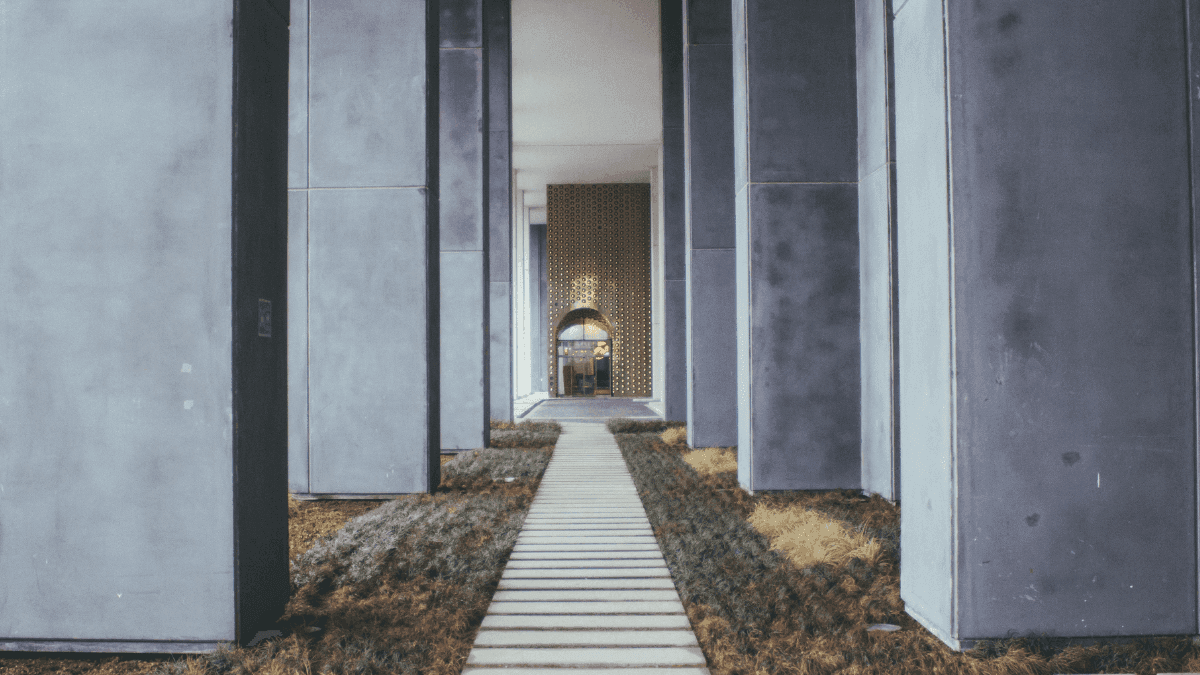
According to the survey, the sector is expected to show a Compound Annual Growth Rate (CAGR) of 3.86% during the period. Image: Canva Pro
The hempcrete market in the United States forecasts significant financial expansion for the next decade. Estimates indicate a jump from $7.83 billion in 2025 to $10.60 billion by 2033.
These data are part of the report "United States Hempcrete Market: Analysis by Application, End Use, States, and Companies". The study attributes this growth to the construction sector's demand for materials capable of reducing carbon footprint. Additionally, there is an increasing search for improving buildings' energy efficiency.
According to the survey, the sector is expected to show a Compound Annual Growth Rate (CAGR) of 3.86% during the period. The main driver of this trend is the changing behavior of consumers and builders. Both are increasingly seeking alternatives to conventional materials.
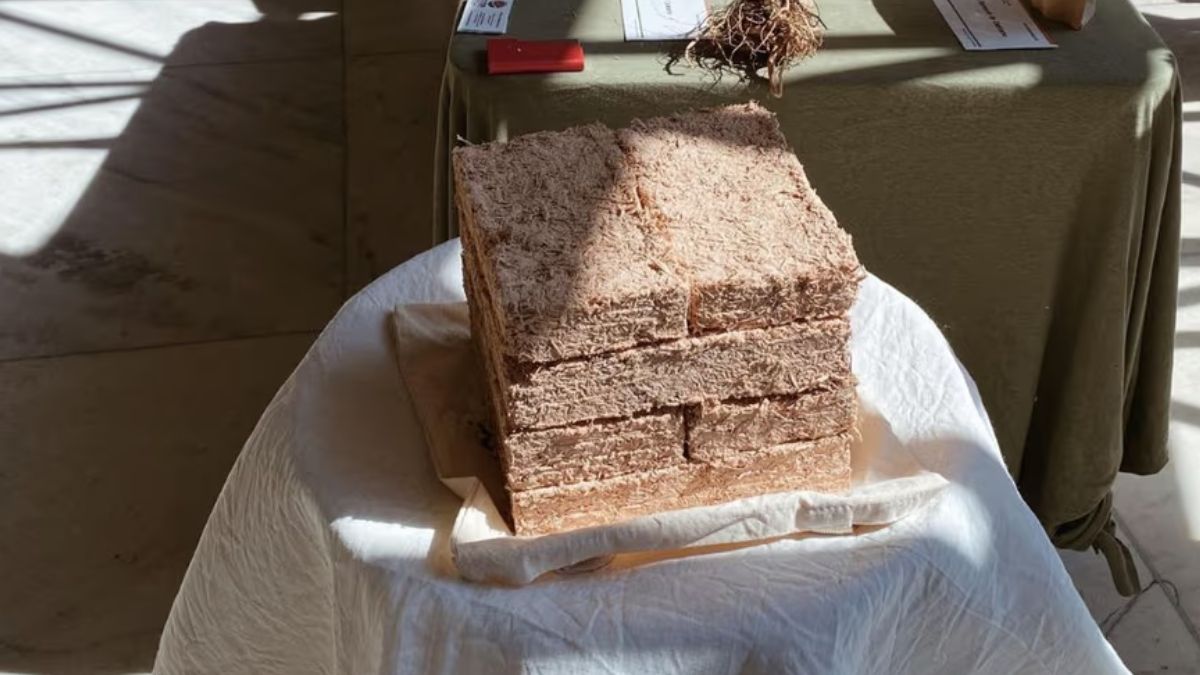
Hempcrete, composed of hemp fibers, lime, and water, gains relevance for its ability to sequester carbon during plant cultivation. This characteristic offers reduced environmental impact compared to traditional concrete or fiberglass insulation.
Regulatory Impact on Hempcrete Market Expansion
The consolidation of this market is directly linked to the 2018 U.S. Farm Bill. By removing hemp from the list of controlled substances and legalizing its industrial cultivation, the legislation allowed the expansion of domestic raw material supply.
States like Colorado, California, and Kentucky have developed structures to integrate agricultural production with construction. This integration facilitated access to plant derivatives and reduced initial production costs of hempcrete.
In addition to material availability, the product has been applied in residential and retrofit projects. The preference is due to its thermal and moisture control properties.
In May 2024, the U.S. Department of Housing and Urban Development (HUD) granted $750,000 for projects in Quincy, Massachusetts. The investment, made through the Green and Resilient Retrofit Program, signals governmental interest in technologies promoting climate resilience.
Normalization Challenges and Costs for Hempcrete
Despite optimistic projections, the report highlights barriers to mass adoption of hempcrete in the market. The main obstacle is the lack of standardization in state and local building codes.
The absence of unified technical standards makes approval processes more complex. Consequently, licensing becomes slower for engineers and architects wishing to use the material.
Entities like ASTM International and the US Hemp Building Association are currently working on creating structural and thermal performance standards. However, construction costs with hempcrete remain higher than conventional materials.
This is due to lower production scale and the need to import specific inputs. The shortage of skilled labor and the material's curing time are also limiting factors.
In the short term, these issues restrict the product's use to niche projects while the supply chain seeks consolidation.