Hempcrete: What it is and what are the benefits for the construction industry
Made from hemp fibers, hempcrete is a material with high thermal insulation and low environmental impact

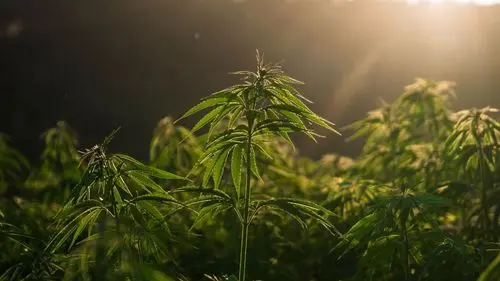
Hempcrete, or hemp concrete, is a sustainable material made from the mixture of the woody core of the hemp plant with a water-based binder and lime. Primarily used as thermal insulation, it cannot be employed as a structural material, being combined with support from wood, stone, or others. The broad regulation of hemp cultivation in Brazilian agriculture can enhance the production of sustainable bricks for the construction industry.
Benefits of hempcrete: insulation, strength, and sustainability
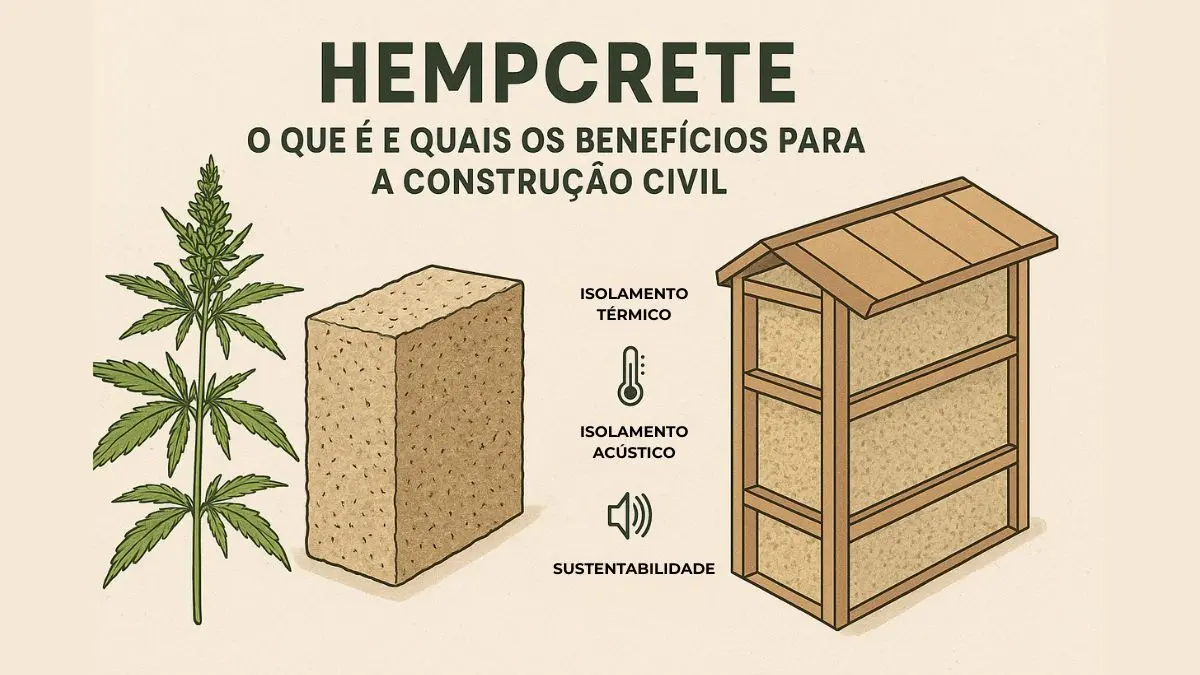
Among its benefits, the excellent thermal insulation stands out, regulating the internal temperature of buildings, reducing the need for heating and cooling. Additionally, hempcrete is hygroscopic, absorbing and releasing moisture, which makes it resistant to mold and improves indoor air quality.
Hemp and carbon capture: a solution for the environment
Another important advantage is its ability to capture carbon. Hemp, during its rapid growth of about five months, sequesters between 9 and 15 tons of CO2 per hectare, contributing to the reduction of carbon footprint. Moreover, hemp consumes little water and can help regenerate soil by removing heavy metals.
Regulation of cannabis in Brazil and the future of hemp in the construction industry
In Brazil, the regulation of cannabis cultivation scheduled for September 2025 will be aimed at medicinal and pharmaceutical purposes, with defined criteria for cannabis oil production. However, it is essential to consider, at a later stage, the fate of the plant's biomass after the extraction of phytotherapeutics. The regulatory plan still leaves open the question of utilizing other parts of the plant, such as hemp fibers, which can be repurposed in the construction industry, for example, in the manufacturing of hempcrete.
Prospects for the full utilization of the plant and circular economy
Thus, the expectation is that the full utilization of the plant can evolve beyond the medicinal sector, opening space for sustainable industrial uses that contribute to the circular economy and more ecological constructions in the country.