How Cannabis Strains Shape Medicine
Experts explain how cannabinoids, terpenes, and flavonoids vary from one species to another of the plant and how this contributes to individualized treatment


Cannabis is a plant known for its genetic diversity and the numerous strains that can be cultivated for different therapeutic purposes. Each species of the plant has a unique combination of cannabinoids, terpenes, and flavonoids, resulting in distinct chemical profiles and different therapeutic effects.

"The diversity of cannabis is a powerful tool in the development of personalized treatments. By selecting and cultivating strains with specific profiles of cannabinoids, terpenes, and flavonoids, we can create products that better meet the individual needs of patients", emphasizes Ian Guedes, co-founder of the Accura Association and cultivation specialist.
Guedes explains that in the context of biology and agriculture, the terms "strain" and "variety" are often used, but they have distinct meanings:
A strain is a genetic subcategory within a species, usually referring to microorganisms such as bacteria, fungi, or viruses. In the context of plants, "strain" can be used to describe a specific genetic lineage of a plant that has been isolated and cultivated for its unique characteristics.
A variety is a subcategory within a species of plant that has been developed through natural selection or selective breeding to exhibit specific desirable characteristics, such as flavor, color, pest resistance, etc.
In summary, although "strain" and "variety" can be used interchangeably in common language, especially in the context of cannabis, they have distinct technical meanings. "Strain" is more often used for microorganisms, while "variety" is the more appropriate term for plants.
Cannabis Compounds
cannabinoids, such as THC (tetrahydrocannabinol) and CBD (cannabidiol), are the most well-known and studied compounds. While THC is famous for its psychoactive effects, CBD is valued for its anti-inflammatory and anxiolytic properties, without causing euphoria.
Plants also carry terpenes, compounds responsible for the plant's aroma and flavor. They play a crucial role in the therapeutic effects of different types of cannabis. For example, myrcene, found in high concentrations in some strains, has sedative properties and may be useful for treating insomnia. On the other hand, limonene, common in species with citrus aromas, is known for its antidepressant and anxiolytic properties.
Flavonoids, although less discussed, also contribute to the therapeutic profile of cannabis. They have antioxidant and anti-inflammatory properties, enhancing the effects of cannabinoids and terpenes.
"At Accura, we have various patients, usually those who actively participate in our community and have developed a refined self-perception along with our support, who know the varieties that bring them the most benefits. For some, chronic pain is truly alleviated only with Jack Herer, while for others, migraines only go away with Sky Walker, for example," comments Paula Zomignani, president of the association and responsible for support.
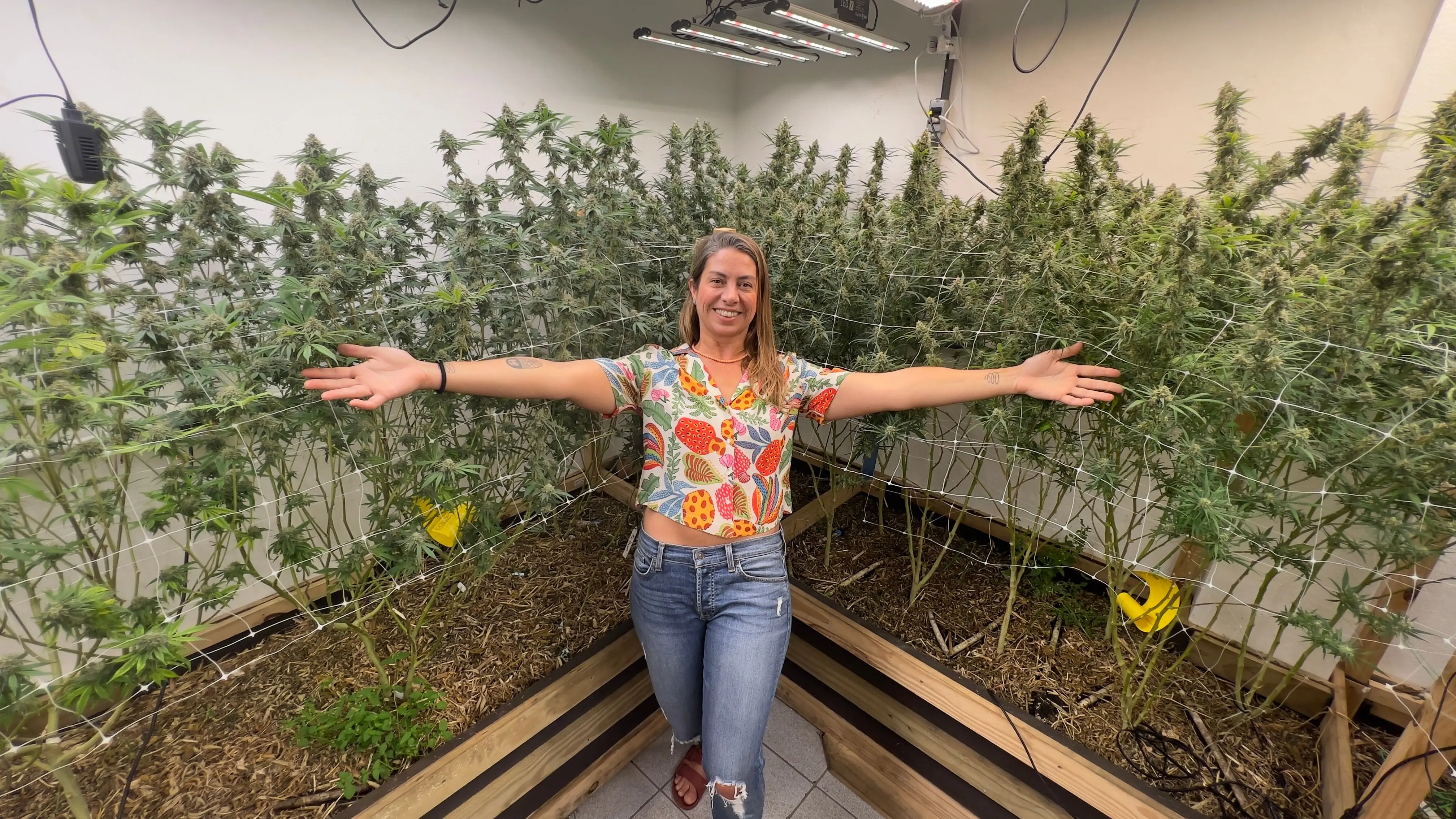
“The unique combination of these compounds in each variety allows for the creation of specific medicinal derivatives for different health conditions. For example, plants rich in CBD and terpenes like linalool and beta-caryophyllene are often used to treat anxiety and chronic pain, while strains with a balance between THC and CBD, combined with terpenes like pinene and terpinolene, may be more effective in treating neurological diseases such as multiple sclerosis,” Paula adds.
These nuances in the composition of cannabis strains are fundamental when developing medicinal derivatives, ensuring more effective and personalized treatments. The advancement in understanding the chemical profiles of cannabis opens new frontiers for medicine, offering natural and efficient alternatives for a variety of health conditions.