ICBC Berlin 2026 reinforces Germany's leadership and consolidates itself as a compass of the European cannabis market
Amidst the expansion of the medical market, regulatory tensions, and the entry of emerging countries like Brazil, the conference establishes itself as a strategic space for scenario analysis, political articulation, and global business

Published on 01/09/2026
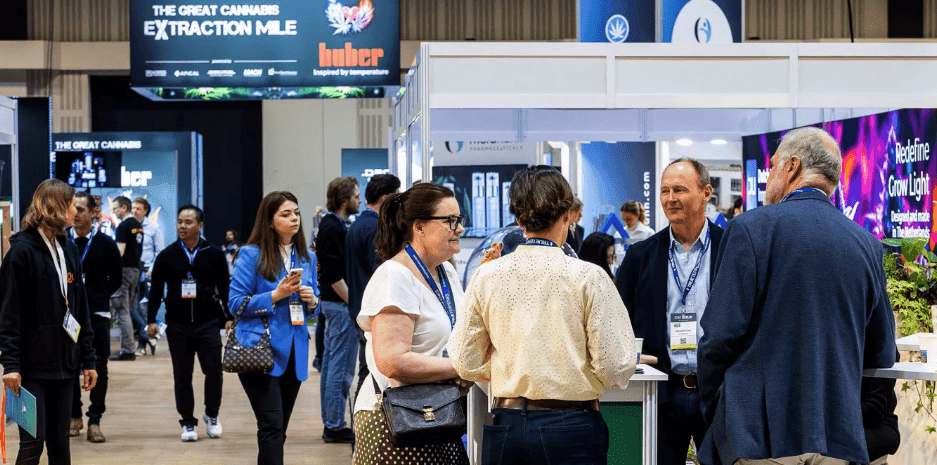
The 2026 edition is scheduled to take place between April 13 and 15, bringing together leaders from the global cannabis market, investors, and public policy makers. Credit: ICBC Organization.
The International Cannabis Business Conference (ICBC) Berlin 2026, which will take place from April 13 to 15, in Berlin, reaches a decisive edition at a time when the European cannabis industry is going through a phase of accelerated maturation, marked by concrete regulatory advancements, expansion of the medical market, and ongoing political disputes that continue to shape the sector's pace. More than a business event, the conference positions itself as a space for interpreting the present and anticipating the next moves of the global market.
Germany remains at the core of this transformation. The country not only leads the regulatory debate in Europe but has also become the main destination for international investments, products, and strategies. This leadership guides the structure and content of ICBC Berlin. According to Alex Rogers, founder of the International Cannabis Business Conference (ICBC), “Germany remains the primary market in the European continent for the cannabis industry and for public policy modernization efforts, and the ICBC Berlin program will be filled with presentations and panels with experts who are at the forefront of all this”.
Content as a response to a rapidly changing market
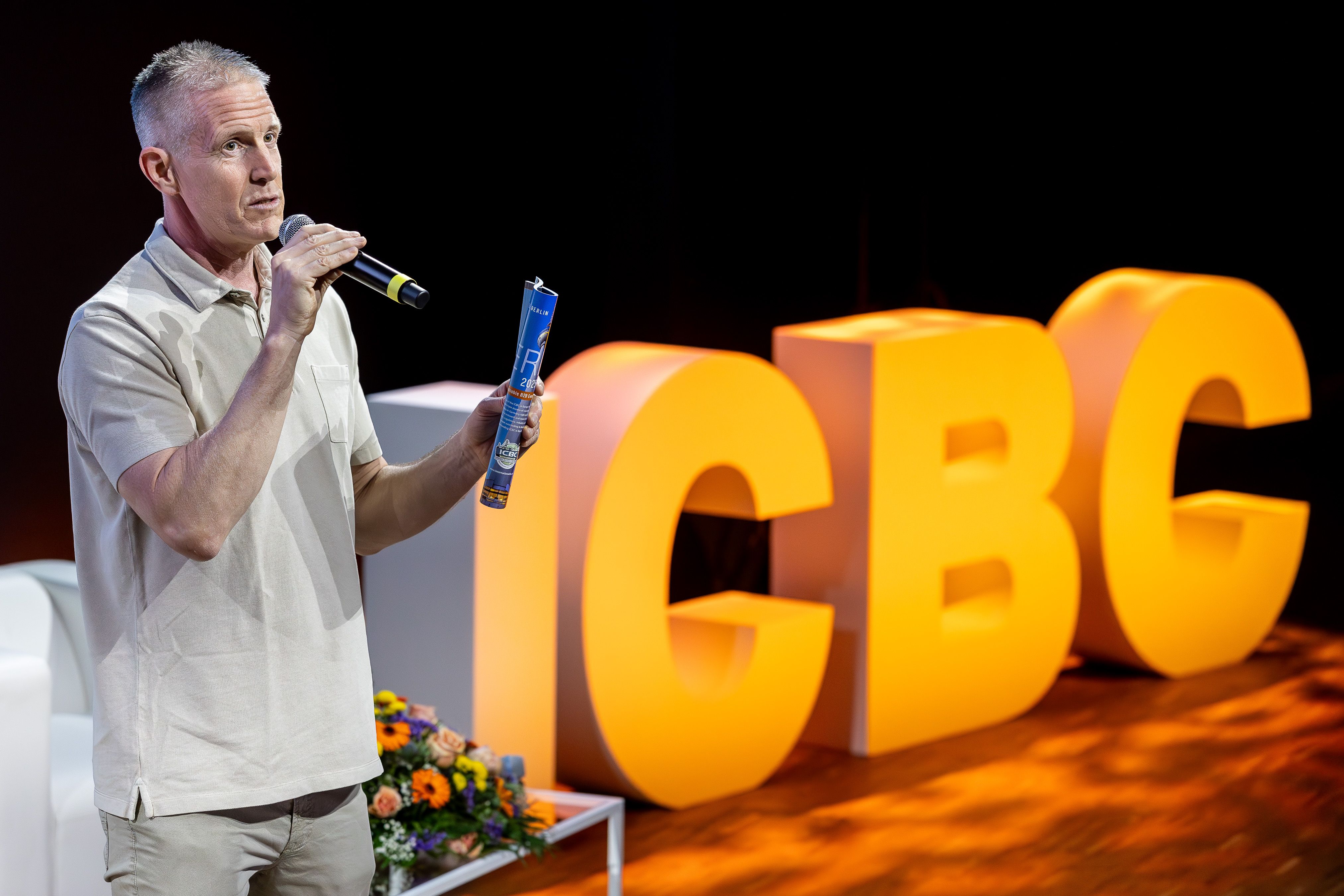
The sector's progress over the past year has posed new challenges to the industry, especially given the complexity of European regulations and the proliferation of submarkets. ICBC relies on curation built from over a decade of international events experience, solidifying Berlin as a strategic stop on the global cannabis calendar. “The emerging cannabis industry is composed of dozens of different markets and a growing number of sectors and subsectors, some overlapping and others operating in isolation. It's a lot to keep up with,” says Rogers.
According to the ICBC founder, the selection of topics and speakers is the result of continuous sector monitoring. “We work tirelessly every day of the year, not just as the conference approaches, to identify the most important themes and subtle evolutions of the international cannabis industry, maintaining close contact with entrepreneurs, investors, and policymakers directly involved around the world,” he adds.
Expanded structure and networking as a central asset
The 2026 edition reflects the increasing internationalization of the audience. In previous years, over 80 countries have been represented at the event, and the expectation is for an even more diverse audience throughout the three days of programming. To meet this demand, ICBC has expanded its infrastructure and connection experiences, with dedicated spaces for strategic interaction among participants.
The event will feature Network Atrium, Cultivation Pavilion, Medical Pharma Zone, Speed Networking Area, and Consumption Lounge, in addition to integrated gastronomic areas. The goal is to turn networking into a real business asset, complemented by exclusive meetings such as the VIP Reception and the Pharmacy Meet-Up.
As part of this strategy, the organization has decided to offer free tickets to German cannabis pharmacies, licensed cultivation association operators, and European grow shops. According to Alex Rogers, “each of these types of entities plays a vital role in the emerging industry of Germany and Europe, and we are ensuring they are well represented at the conference”.
Germany, CanG, and the European domino effect
The event's agenda will be heavily influenced by the implementation of CanG and the rapid expansion of the German market, a topic that is expected to permeate the discussions throughout the program from April 13 to 15. The data reinforces the scale of this transformation: 357 cultivation association licenses have already been approved, while domestic cultivation, personal consumption, and, especially, the medical market are advancing consistently.
In just the third quarter of 2025, Germany imported almost 57 tons of medical cannabis, highlighting its dependence on international suppliers and its centrality in the global trade of the sector. “As Germany progresses, the rest of Europe progresses alongside, and the butterfly effect of the German market evolution will continue to be felt worldwide,” assesses Rogers.
Nevertheless, the scenario remains tense. According to the ICBC founder, “cannabis opponents remain very active and continue to do everything they can to hinder progress, making it even more important for industry professionals to stay updated on the latest information and what may be on the horizon”.
Brazil and emerging markets on the radar
As the industry becomes increasingly global, ICBC Berlin 2026 consolidates itself as a strategic entry point for emerging countries, such as Brazil, especially for companies and professionals seeking to understand the functioning of the European market and establish international partnerships. For Rogers, isolation is no longer a competitive option. “Entrepreneurs and investors from emerging countries, like Brazil, need to connect with their peers in other markets to maximize their opportunities.”
The event also aims to provide visibility for these markets. “Industry and public policy representatives from emerging markets need to participate in ICBC to educate the international community about the existing opportunities in their home countries, such as in Brazil, and show the world what these markets have to offer,” he adds.
Opportunities and challenges for 2026
The outlook for 2026 points to Europe as the most dynamic continent in the world in terms of cannabis policy and industry, with Germany at the center of this process. The greatest opportunities are concentrated in the medical market, especially in exports to Germany, involving complex chains ranging from research and development to logistics and brand building.
Business models related to domestic cultivation and personal consumption are also gaining relevance, driven by European regulatory agendas. However, significant structural barriers remain. “Continental agreements still prohibit a large part of commercial activities related to adult use, and attempts to implement national sales, similar to Canada, have not been authorized by the European Union.”
Additionally, there are internal risks. “There are ongoing attempts to reverse recent victories in cannabis reform in Germany, and this is something that all members of the German cannabis community need to closely monitor and address,” concludes Alex Rogers.
SERVICE
ICBC Berlin 2026 – International Cannabis Business Conference
Date: April 13 to 15, 2026
Location: Berlin, Germany
Official website: https://internationalcbc.com/berlin/