IPT invests in new laboratory and aims at flower and extract analysis
Expansion of the institute in the sector, however, depends on new authorizations from Anvisa for the quality control of plant-based raw materials

Published on 10/27/2025
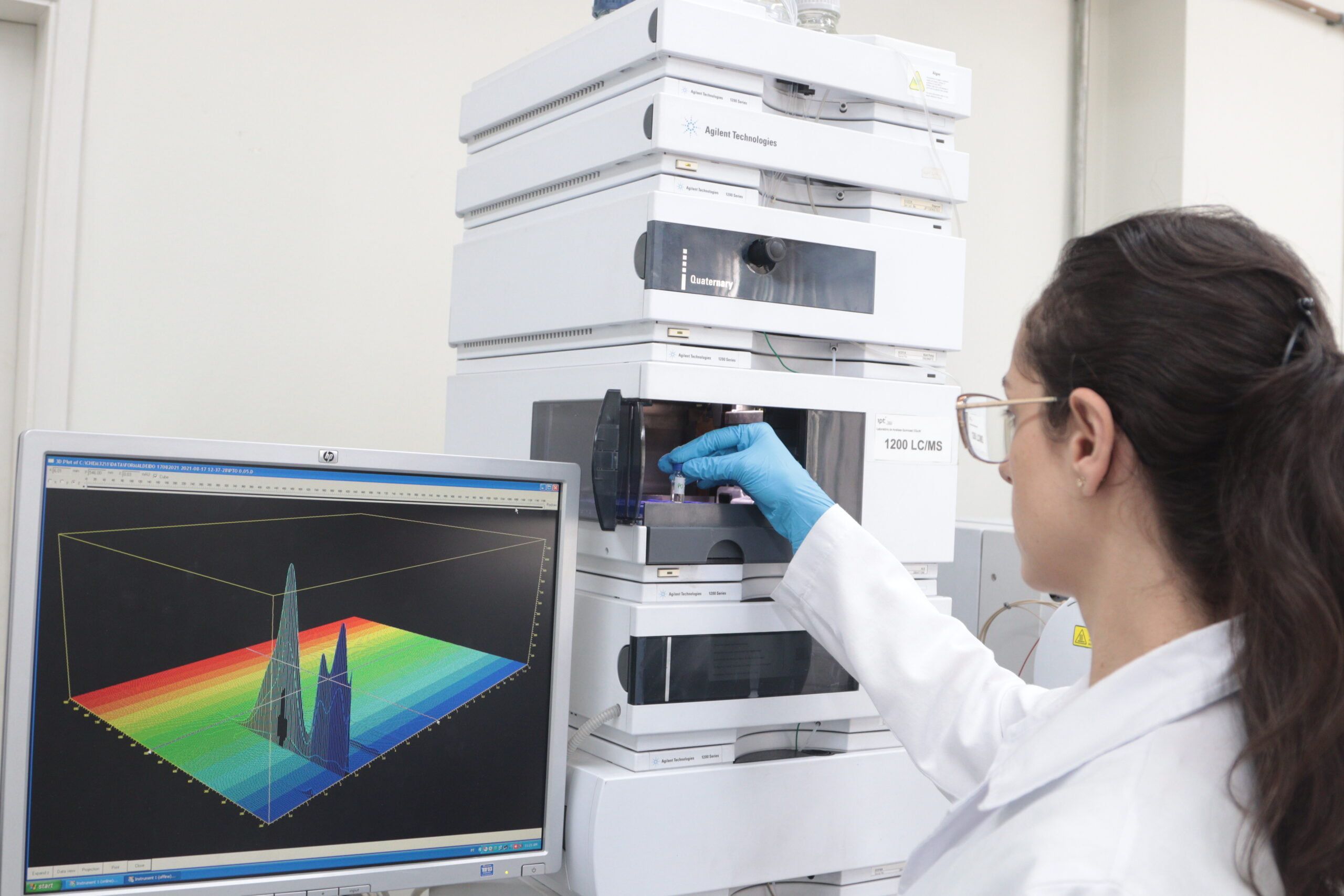
IPT seeks research with flowers, various extracts, and topical products such as creams and ointments.
The Institute of Technological Research (IPT) plans to expand its laboratory analysis on medical cannabis. The goal is to validate methods not only for oils, but also for flowers, various extracts, and topical products such as creams and ointments.
However, this expansion faces regulatory hurdles. According to Amanda Marcante, a researcher at IPT, progress is conditioned on new authorizations from the National Health Surveillance Agency (Anvisa). "There are plans to expand the analysis to other types of products, such as flowers, extracts, and topical products," details Marcante.
"The expansion is linked to accreditation by Anvisa to act in quality control and its authorization for handling these products, mainly plant-based raw materials. We are working to become an accredited and authorized laboratory," concludes the researcher.
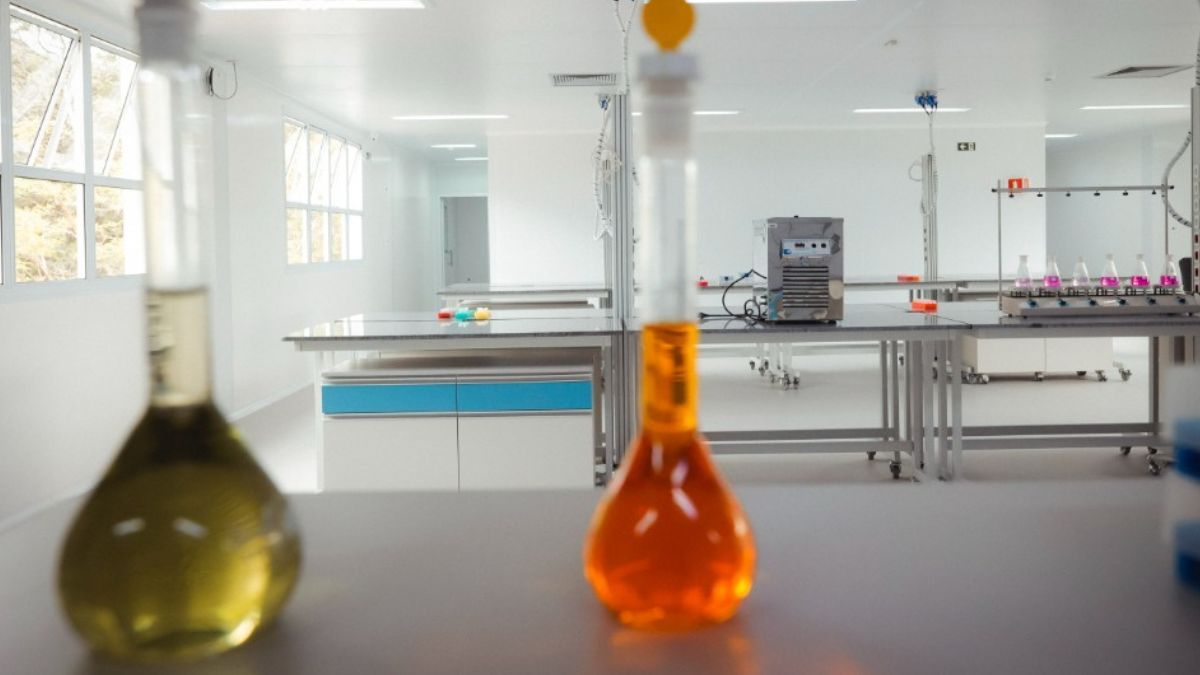
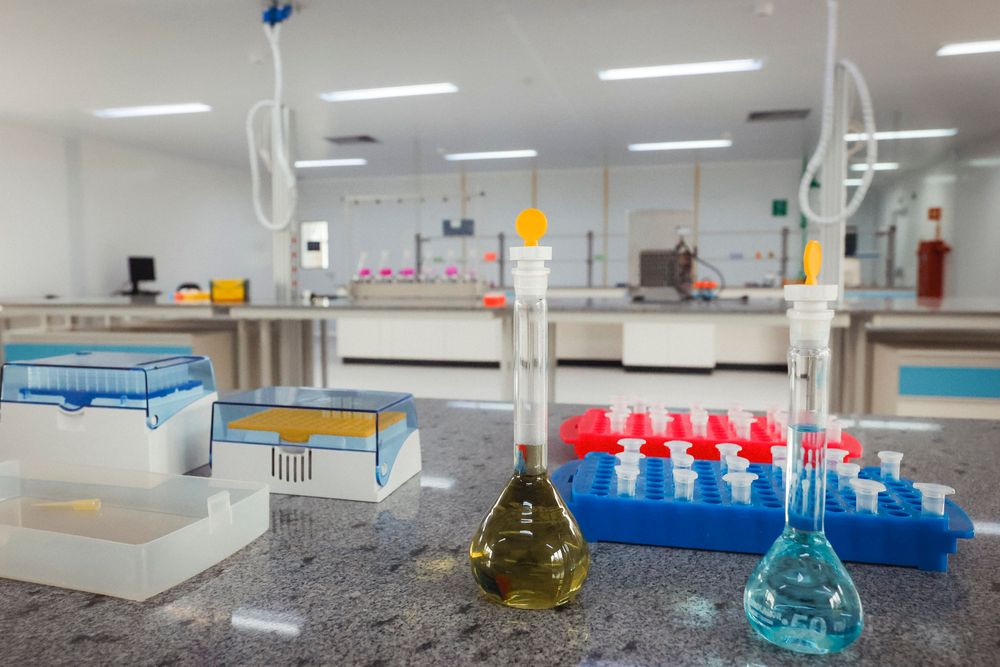
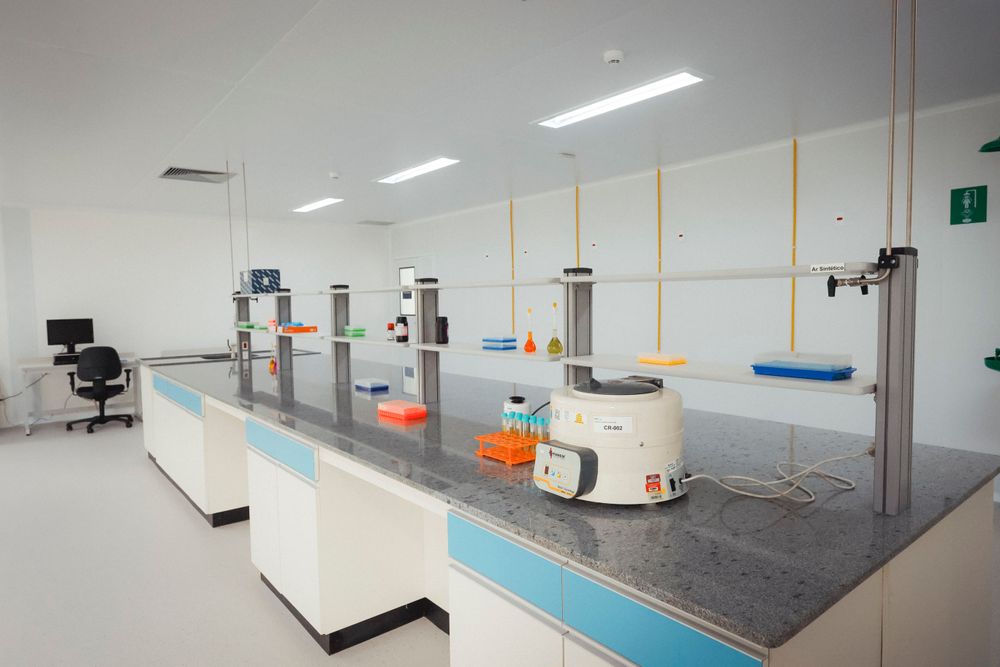
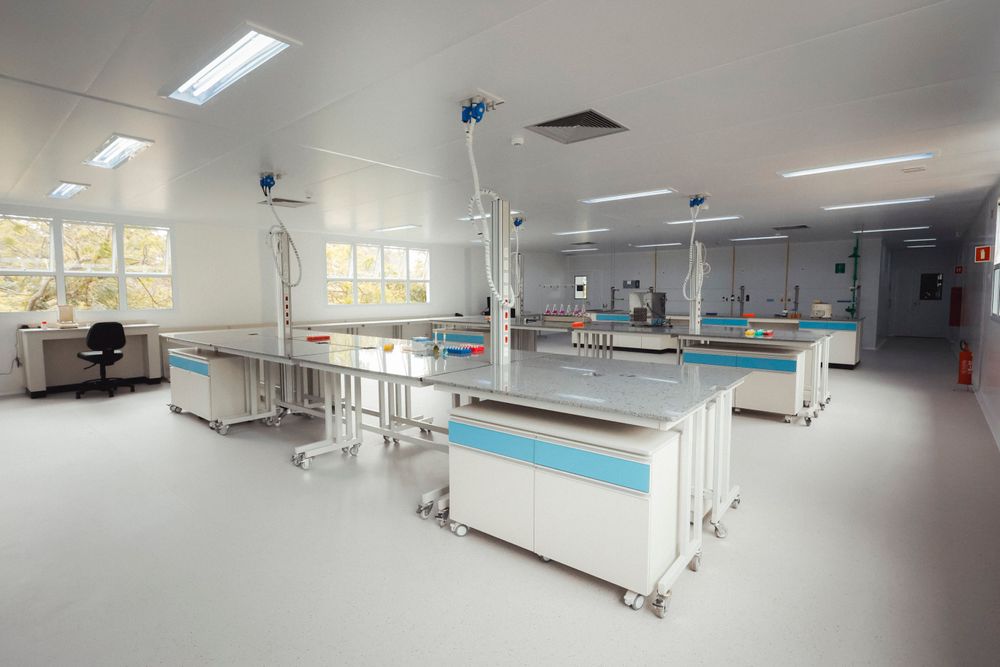
To prepare for these and other future health challenges, IPT inaugurated a new laboratory of the Nucleus of Advanced Technologies for Well-being and Health Applied to Life Sciences (Nutabes) on October 13th.
The modern 1,650 m² complex at Cidade Universitária, which cost R$ 16 million, will provide the cutting-edge infrastructure needed. This analytical development and quality control will be required for more complex products, such as flowers.
Cannabis Oil Quality Control
While awaiting the new authorizations, IPT is already carrying out relevant work in the area. Researcher Helena Gomes explains that the institute already has a special research authorization from Anvisa, focused on products currently most common in the market.
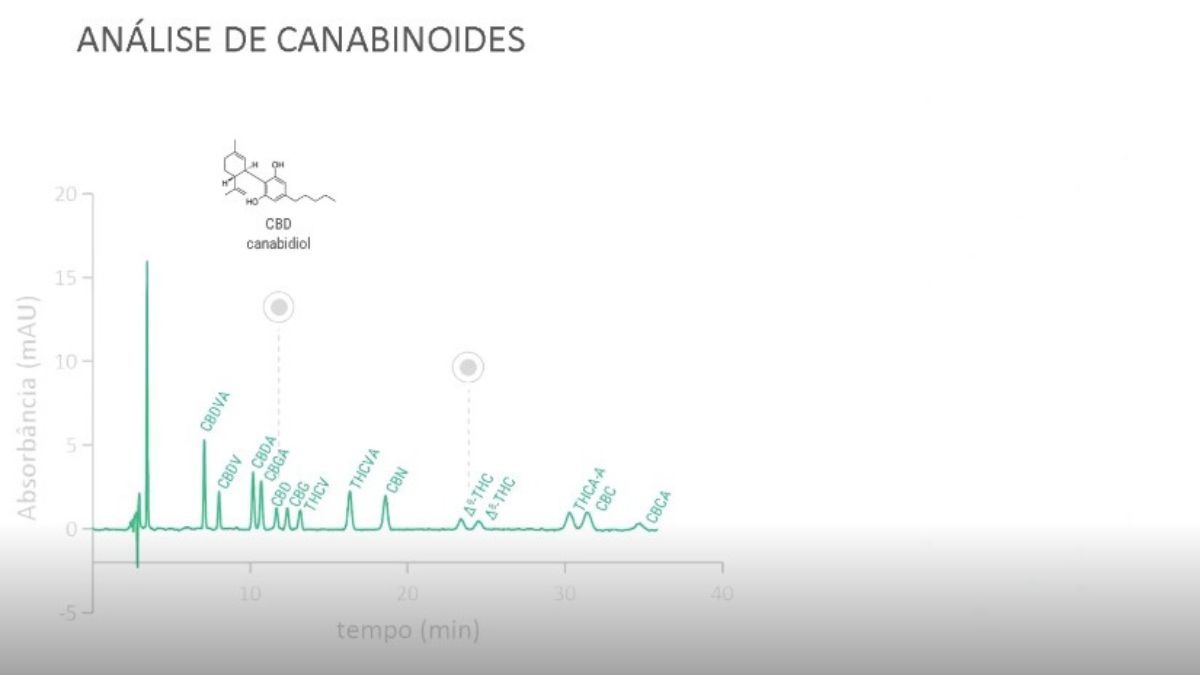
"At this moment, the focus is on laboratory analysis of Cannabis oil extract, covering quality control, compound characterization, and standardization studies."
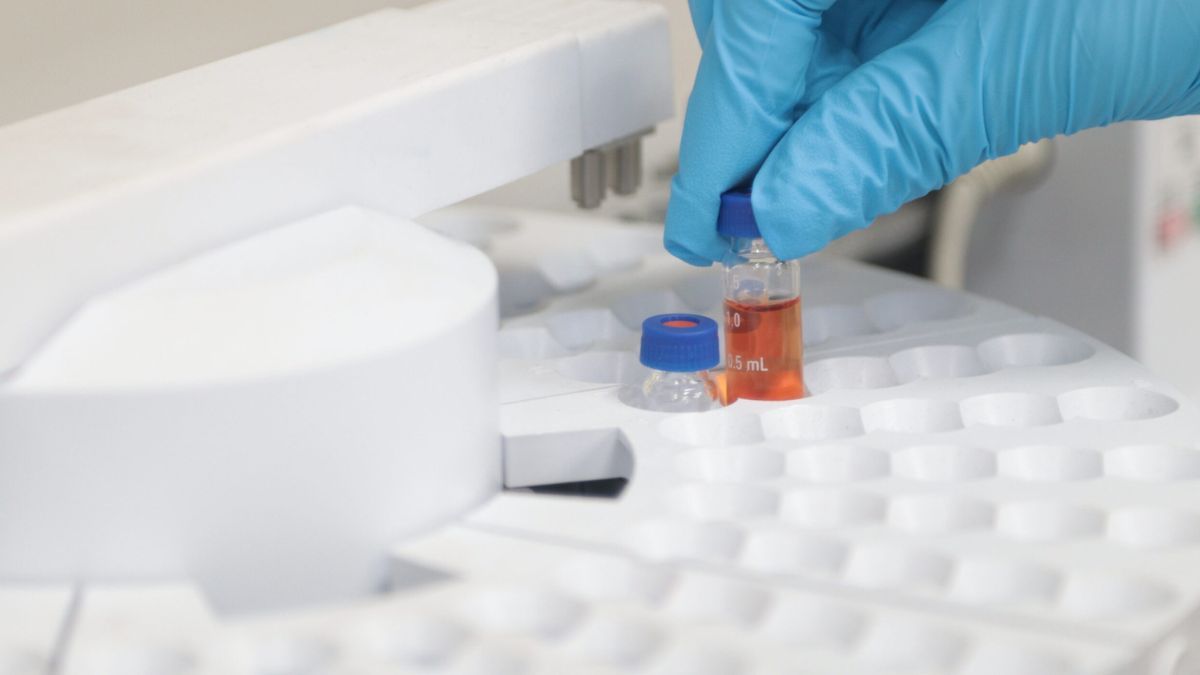
This current work already uses advanced techniques, such as gas and liquid chromatography, aiming to quantify cannabinoids and terpenes, compounds that influence therapeutic effects.
For the researchers, IPT's current and planned actions are crucial to establish a safe national market. Helena Gomes highlights the institute's tradition in metrology as a decisive factor in creating reference standards in the country.
"We intend to contribute to the consolidation of technical standards, analytical protocols, and quality references focused on medical Cannabis, acting as a link between scientific research, the productive sector, and regulatory agencies," she states.
According to her, standardization is the way to ensure patient protection and, at the same time, strengthen the national industry.
"The consolidation of robust analytical methodologies ensures patient safety and, at the same time, increases the competitiveness of Brazilian companies. This combination stimulates technological innovation and puts Brazil in a prominent position on the global medical cannabis agenda," concludes Helena Gomes.