Legal Cannabis in Germany Reduces Illicit Market by Nearly 90%
Study shows that historic legalization strengthens safe access, generates €500 million, and decreases illegal sales

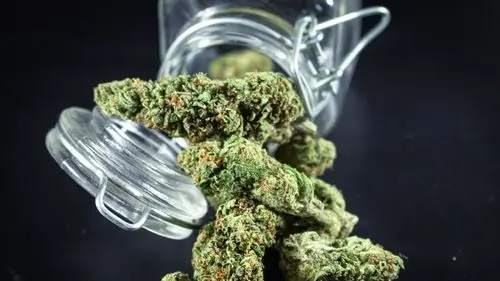
The legalization of cannabis in Germany is already showing concrete effects: the illicit market has lost nearly 90% of its space since the law came into effect in April 2024. Recent data confirms what experts have been advocating for years — when there is safe and regulated access, drug trafficking loses strength.
The KonCanG project, conducted by the Institute for Research in Chemical Dependency at the Frankfurt University of Applied Sciences and the Evangelical University of Freiburg, surveyed 11,471 people (11,375 adults and 96 adolescents).
The survey assessed the impact of legalization and was presented at the International Cannabis Business Conference. The results confirm the effectiveness of the model:
- 97.8% of users consume cannabis at home; among young people, public consumption is more common;
- 88.4% acquired legal cannabis in the last six months (through home cultivation, associations, or pharmacies);
- Before the law, only 23.5% resorted to these now regulated sources;
- Nearly 80% indicated that pharmacies and home cultivation are the main sources of consumption;
- 90.1% of new home cultivators are men.
At the same time, purchases from illegal sellers have plummeted, both in private spaces and public places — a reflection of the strengthening legal market.
Legal Cannabis in Germany: Rules and Expansion
The Cannabis Act (CanG) has allowed adults to cultivate up to three plants at home, possess up to 50 grams in private locations, and 25 grams in public spaces since April 2024. In addition, since July, cultivation associations have been authorized to operate: there are already 211 registered clubs and about 2,500 pharmacies offering medical cannabis.
This advancement has solidified a market that generates approximately €500 million per year in the medicinal sector alone, making Germany the largest cannabis market in Europe. Experts believe that with regulatory adjustments, the potential is even greater.
Legalization Reaches Prisons
The effects of the CanG have also reached the prison system. A decision by the Berlin Court of Appeals (KG) recognized that prisoners can possess up to 50 grams of cannabis in their cells, as long as it is for personal use.
The court understood that a cell can be considered a “usual residence” within the law. However, consumption within prisons remains subject to internal security and discipline rules.
Scientific Community Calls for More Research
Despite the progress, experts emphasize the need to expand studies. A coalition of doctors and researchers sent a letter to the federal government and the Federal Office for Agriculture and Food (BLE), demanding the immediate approval of the research projects provided for in the law.
In the letter, the signatories highlight, “Germany does not have a reliable database on cannabis use… crucial for addressing unresolved issues regarding health protection, youth, the illegal market, and consumer behavior.”
Among the more than 15 academics and doctors are Karin Bammann (University of Bremen), Gundula Barsch (Hochschule Merseburg), Franjo Grotenhermen, Kirsten Müller-Vahl (University of Hannover), and Bernd Werse (Institute for Dependency Research, Frankfurt).
With information from El Planteo