Male Flower in Cannabis? Understand Why It Appears and What to Do
Discover what the male flower in cannabis is, why it appears, and how to prevent it from compromising your harvest

Published on 11/05/2025
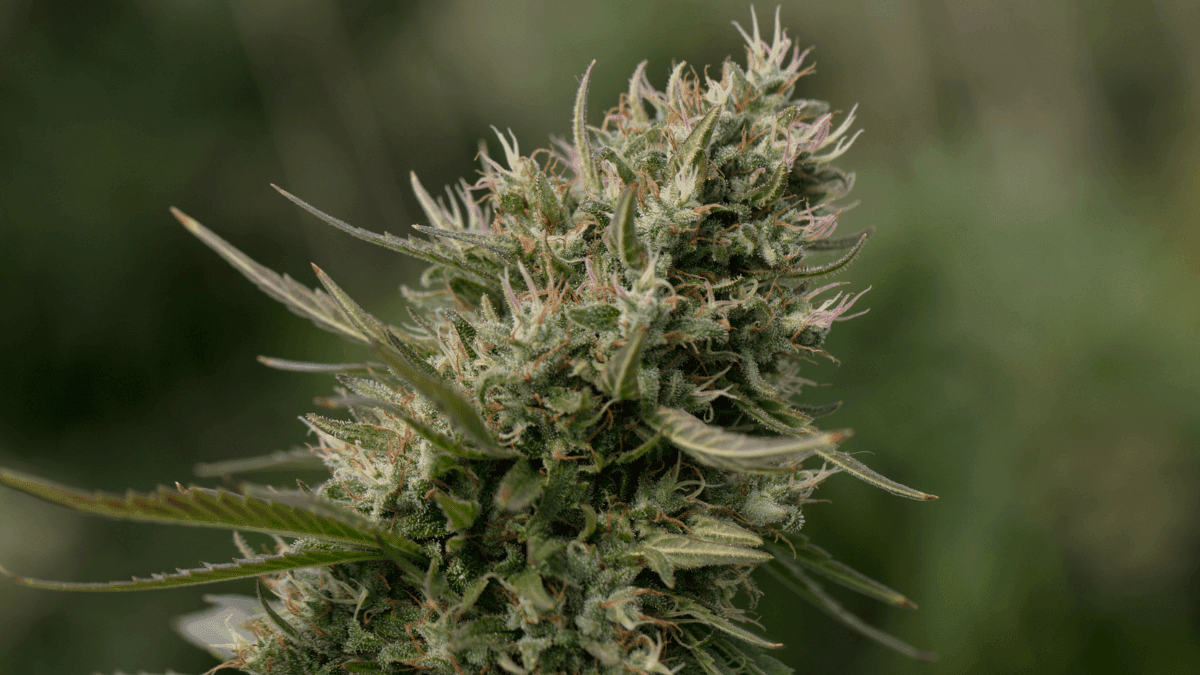
Understand the causes, precautions, and prevention tips | CanvaPro
When a grower comes across a male flower on a cannabis plant, the mood changes quickly. According to the El Planteo website, these are structures similar to pollen sacs that appear on flowers or stems that should be producing female flowers.
This occurrence raises an alarm because it can compromise the entire crop, leading to unwanted fertilization and reducing both the quality and potency of the expected harvest.
What Exactly Is a Male Flower and Why Does It Appear
In most cases, cannabis plants are distinguishable between female (geared towards producing cannabinoid-rich flowers) and male (geared towards pollen).
Furthermore, according to the El Planteo website, these small, elongated yellow structures usually appear on flowers, and in some cases, even a female plant can develop them. This occurs, experts explain, when there is hermaphroditism or some type of stress that causes the plant to produce the so-called male flower.
There are several causes pointed out: irregular light schedules, extreme temperatures, nutritional deficiencies, vulnerable genetics.
When this happens, the grower sees that the female plant, instead of producing resin-rich flowers, starts to generate pollen-filled flowers, resulting in seeds instead of potency.
How to Handle and Prevent the Male Flower from Compromising Your Harvest
Good news: there are practical measures that can help prevent or mitigate the appearance of the male flower. In the El Planteo guide, for example, suggestions such as choosing quality genetics, maintaining a stable cultivation environment (lighting, temperature, nutrients), and monitoring signs early on are recommended.
If the male flower appears, it is advisable to isolate or remove the affected plant to prevent pollen from spreading. This way, the other female plants are protected to remain free from unwanted fertilization. This action helps ensure a purer harvest, as is often the goal for those cultivating for therapeutic or high-quality purposes.
With information from El.Planteo.