Mother reports distress after Federal Revenue retains cannabidiol intended for autistic son
Imported product with medical prescription and authorization from Anvisa is being held by Federal Revenue at Gollog cargo terminal in Guarulhos

Published on 02/05/2026
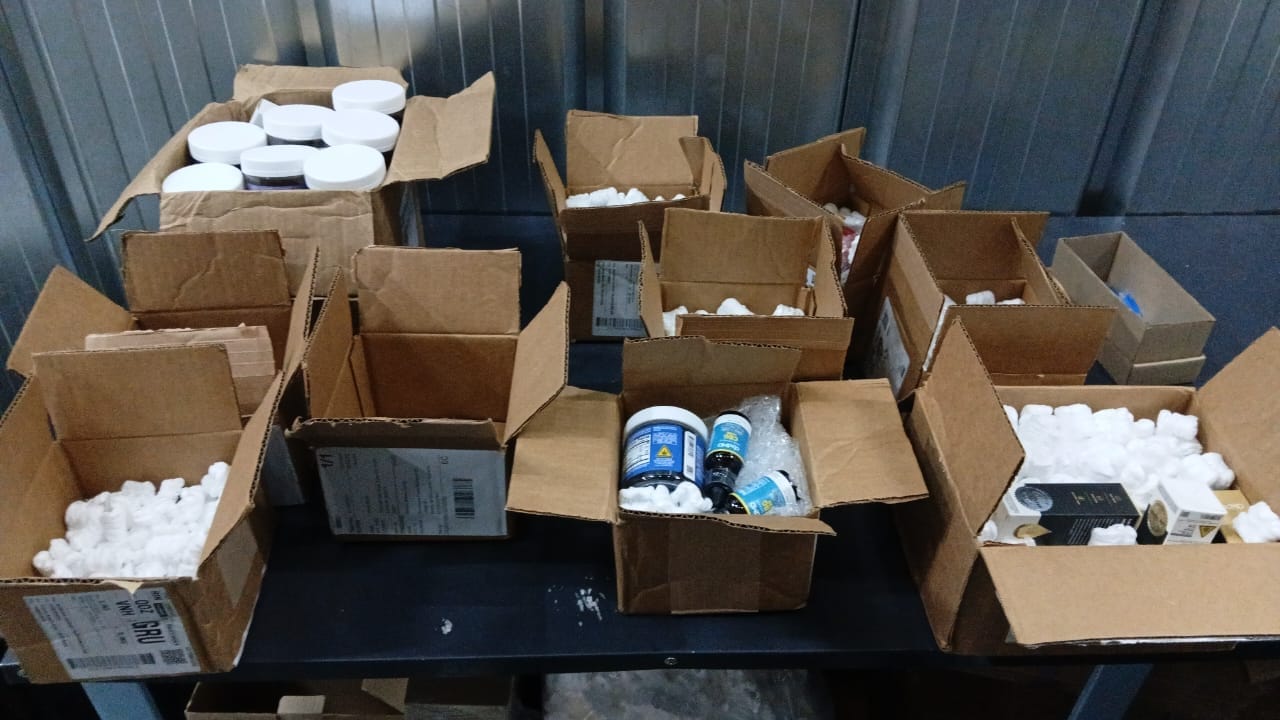
Company reports that medication orders were opened by Federal Revenue and products from different patients ended up mixed, compromising order organization and safe access to treatments. | Image: Disclosure
The wait for an essential medication has transformed the routine of Taise Cristiane de Souza, 43 years old, resident of Florianópolis (SC). Mother of an 11-year-old non-verbal autistic boy, Taise has been without the cannabidiol used in her son's treatment for over a month, retained by Federal Revenue.
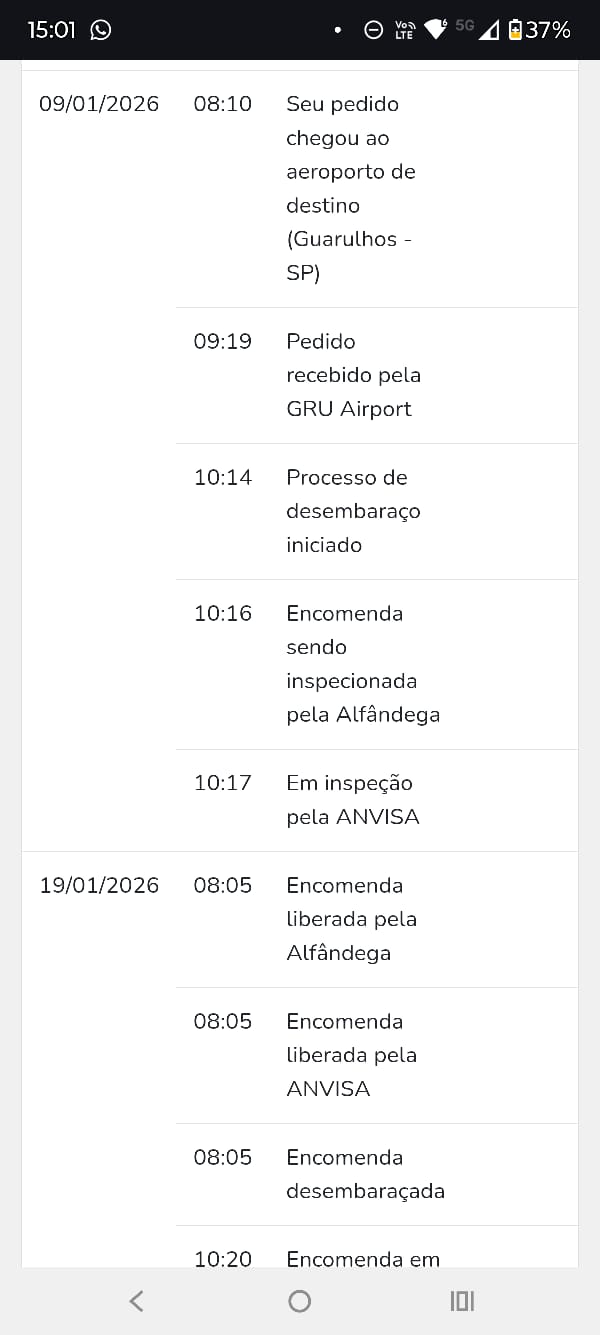
The product is imported, has a medical prescription and authorization from Anvisa. According to the family, the retention occurred at the end of January and since then, there has been no feedback from Federal Revenue regarding the fate of the shipment.
"The cannabidiol greatly improves his focus and helps especially in moments when he needs to wait, which is extremely difficult for him. It also reduces compulsive eating and improves emotional response. When he doesn't like something, with the use of cannabis, he can immediately show it," says Taise.

The boy has been using medicinal cannabis-based products for about a year. "Since he started treatment with imported cannabis, his quality of life has improved considerably," says the mother.
Taise mentions that her husband works outside and she spends most of the time alone at home with her son. According to her, the medication helps control self-aggression crises.
"When he has a crisis, it's so intense that I end up hurting myself trying to contain him. Cannabis helps to reduce these situations," she says.
Retention after regular import history
According to Taise, this was not the first order. Since 2025, she has received three shipments from the same brand, all delivered without issues. The current retention has been since January 20th.
She states that the order was made following Anvisa's rules, with a valid medical prescription, following RDC no. 660. The shipment number, according to the mother, indicates sanitary clearance.
"It's absurd that we can't get in touch with Federal Revenue. No one explains what's going on," she laments.
The mother mentions that the family faces financial difficulties and cannot buy large quantities of the medication for extended periods.
"Our financial situation is complicated. This time, we placed the order when the bottle was half empty. Now we are facing this delay and feel completely helpless," she says.
Fear, school, and lack of alternatives
The lack of medication worries the family, especially with the return to school.
"With the return to school, I don't know if I'll be able to send him because it's an environment with a lot of noise," she says.
She also mentions that she doesn't have resources to seek an immediate alternative.
"I don't have the money to find a new doctor, get another prescription, and buy a cannabidiol at the pharmacy to replace this one that has adapted so well to my son," she concludes.
The case occurs amidst seizures of cannabis-based products in Brazil. According to courier companies, the detained shipments consist of products intended for patients and are not illicit drugs.
Courier company's version
According to Sandro Nogueira, CEO of Memphis Courier, a company that transports medicinal cannabis-based products, there is a difference in the treatment of shipments depending on the location and the team responsible for inspection.
"The team leadership of the express shipment sector of Federal Revenue in Guarulhos performs important and excellent work in assisting courier companies, as they show sensitivity to patients because they know these are products intended for therapeutic treatment with cannabis. However, the problem occurs with domestic Federal Revenue; outside Guarulhos Airport, let it be clear: the first reaction of these teams outside São Paulo is usually to seize the products, activate the sniffer dog to prove it's cannabis, and then retain the merchandise. There are cases where the products are sent to the Civil Police under the allegation of being 'liquid marijuana.'"
He also reports mishandling of packages during retentions.
"The packages were opened, and all products were mixed on the table, requiring redoing all the sorting and correct packaging according to each patient's order."
Sandro states that the situation is serious and that the companies have not even been formally notified.
"This is very serious because the media reports it as drug seizures, and so far the companies have not been formally notified about the retention of the merchandise. Let it be clear: the problem is not with Federal Revenue at Guarulhos airport, but with teams outside it. These agents are treating medications as if they were illicit drugs, even though these products are intended for the treatment of various patients. This is disrespectful. There was a case of a person who went to pick up their medication at the police station, was mistreated by the delegate, and was even detained."
He mentions that the companies continue to collaborate with the authorities.
"We are collaborating with Federal Revenue to provide any clarifications about each seized product."
Official narrative released in local newspaper
In a report published by a local newspaper, Federal Revenue reported that they seized, at the cargo terminal of Pinto Martins Airport in Fortaleza, a shipment of narcotics sent from the United States. According to the publication, among the seized items were about 3 kilograms of hashish, over 20 bottles of liquid cannabis, and jars of cannabis-infused chewing gum. The operation was supported by sniffer dogs used to identify suspicious packages.
Federal Revenue reported that they received the message sent from the Sechat portal requesting clarification and that the case is being analyzed by the agency's team.