New Zealand eliminates the need for licenses to cultivate industrial hemp
Reform sets a 1% THC limit, allows the supply of biomass for medicinal purposes, and replaces mandatory licensing with a simple notification system, foreseeing an economic impact of 41 million dollars

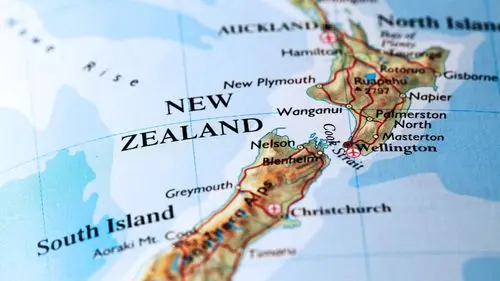
New Zealand takes a decisive step towards modernizing the legal framework for industrial hemp, with the Minister of Regulation announcing a profound reform that eliminates the need for mandatory licenses and reduces the bureaucratic burden imposed on producers. The decision is seen by the sector as a "historic milestone," the result of years of joint pressure. The THC limit is set at 1%, and the commercialization of biomass will be allowed.
"The hemp industry in New Zealand has been treated as criminal for too long. The sector has been harmed by outdated and authoritarian rules that treat the cultivation of low-risk plants as if they were high-risk drugs. This ends now," said David Seymour.
The package of measures announced by the Minister of Regulation, David Seymour, eliminates the licensing regime, establishes the 1% THC limit to define what industrial hemp is, allows biomass to be supplied to licensed producers of medicinal cannabis, and maintains only the obligation to notify the authorities before cultivation, simplifying the entire production process. The Ministry of Health will be responsible for conducting the next legislative steps until the new framework formally comes into force.
"The hemp industry in New Zealand has been treated as criminal for too long. The sector has been harmed by outdated and authoritarian rules that treat the cultivation of low-risk plants as if they were high-risk drugs. This ends now."
The government has approved a package of changes to abolish the current licensing regime for industrial hemp and replace it with a more practical and proportionate regulatory approach. "Simplifying bureaucracy so that the hemp sector can flourish" is the title of the official communication.
"This is important for hemp businesses in New Zealand because excessive bureaucracy costs money to producers and limits innovation. The proposed changes are expected to generate a net present value (NPV) benefit of 7.5 million New Zealand dollars over the next 10 years. As the market continues to grow, the benefits will also increase. Over 20 years, the NPV will be around 41 million New Zealand dollars," says David Seymour.
The changes also aim to reduce costs and provide security to producers and investors. "We continue to reduce bureaucracy to give companies the best chance of success. Peer-reviewed analyses estimate that the work of the Ministry of Regulation in its first 18 months will bring a net public benefit of 223 to 337 million New Zealand dollars. The return on investment is significant, with an expenditure of around 20 million New Zealand dollars," the government communication states.
"Despite its low-risk profile, [hemp] has been heavily regulated for almost 20 years. Common sense says this is absurd."
"Industrial hemp contains very low levels of THC and is grown for food, oil, fibers, and health products. Despite its low-risk profile, it has been heavily regulated for almost 20 years. Common sense says this is absurd. This is another example of why New Zealand needs the Regulatory Standards Act. If the law had been in place when these regulations were created, it would have been possible to understand the low risks that these absurd regulations aimed to 'mitigate.' So far, however, the disproportionately high costs of regulating the use and commercialization of industrial hemp have been concealed," says the Deputy Prime Minister.
According to the new rules:
- The cultivation and handling of industrial hemp will no longer require a license.
- A clear THC limit below 1% will differentiate hemp from high-THC cannabis.
- Hemp biomass, including flowers and leaves, can be supplied to licensed producers of medicinal cannabis under strict conditions.
- Producers must notify the police before planting to avoid inadvertently breaking the law and assist in controlling illicit activities related to cannabis.
- Producers must also notify the MPI (Ministry for Primary Industries) simultaneously with the police.
- The use of hemp remains restricted to fiber, seed, and oil, with additional permissions for the supply of medicinal cannabis, as mentioned above.
- Existing food safety and medicinal cannabis requirements will continue to apply.
- The new regulations will include safeguards to prevent misuse and ensure compliance.
- New Zealand Hemp Industries Association welcomes the new measures
The reform is seen as a significant victory for the New Zealand hemp industry, which has long denounced excessive barriers and lack of proportionality in the previous legislation, pointing to this modernization as essential to foster innovation and the country's competitiveness.
The NZ Hemp Industries Association Inc (NZHIA) has already reacted to the announcement, emphasizing the importance of the moment for all those who have contributed to the development of this industry. In an official statement, the organization highlighted that "a milestone has been established for all those who have worked to grow New Zealand's industrial hemp sector," noting that the announcement made in Ashburton by the Minister of Regulation, David Seymour, represents "a long-overdue change."
According to the association, this outcome "is the result of years of collective effort, consistent advocacy, and expertise contributed by farmers, processors, researchers, and companies across the sector." The NZHIA also adds that the changes approved by the Government "will significantly reduce compliance burdens and create a more practical regulatory environment for low-THC industrial hemp."
The innovative approach of the New Zealand government
In a surprising communication for the international hemp industry, the government of New Zealand may set a paradigm for how the sector can be regulated.
"In a high-cost economy, regulation is not neutral—it is a tax on growth. This government is committed to eliminating unnecessary regulations, improving how laws are crafted," said David Seymour.
"Bad regulations have real consequences for real people. People work hard to make a living. Now, with the Regulatory Standards Act, there will be oversight over those who harm it with bad regulations. The public will be invited to participate in Cabinet meetings. They will see how politicians make decisions and on what advice. If people don't like what they see, they can express their opinion at the ballot box."
Originally Published on CannaReporter