Patients Seek Legalization of Cannabis Cultivation for Medicinal Purposes in Brazil
Habeas Corpus is the only legal recourse for patients wishing to use the plant for the treatment of various diseases

By Sechat Editorial
.
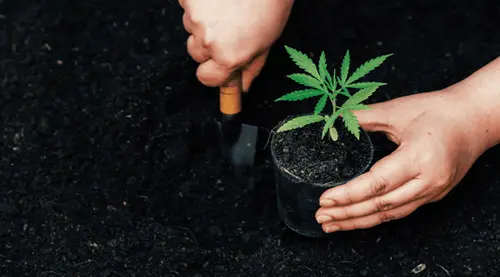
In Brazil, cannabis cultivation is still prohibited, with the exception of the state of Rio de Janeiro, which has been granted permission to plant the plant for research purposes. However, even with this prohibition, the demand for access to medicinal cannabis does not disappear, and various stakeholders related to cannabis, such as associations, companies, and patients, have been fighting for this right.
.
Currently, the only legal recourse available for patients wishing to cultivate cannabis for medicinal use is to request a Habeas Corpus, a legal measure aimed at protecting the freedom of those who decide to manufacture their own medication.
.
Based on the guidelines from Rede Reforma, the largest network of lawyers working in the cannabis field in the country, the process to obtain permission to cultivate medicinal cannabis has been detailed step by step. It is important to follow these steps to avoid legal issues.
.
The first step is to obtain a medical prescription, in which a doctor certifies the need for cannabis use. The document must contain information such as the International Classification of Diseases (ICD), the dosage, and the medical registration.
.
Next, it is necessary to obtain a medical report that presents the patient's clinical history, previous treatments, and their side effects. The focus of the report should be the severity of the disease and the risk of death faced by the patient. It is important to highlight the suffering experienced during treatments.
.
With the medical prescription in hand, the patient must request an import authorization from the National Health Surveillance Agency (Anvisa) if the prescribed medication is imported. It is essential that the document is up to date. The service provided by the regulatory agency is automated and free of charge. Once the patient registers on Anvisa's portal, the authorization is issued immediately.
.
Before filing the Habeas Corpus request, it is recommended that the patient or responsible party demonstrate knowledge about cannabis cultivation. Associations, such as Cultive, offer courses on oil extraction and cultivation, and a self-declaration of the experience gained may be sufficient.
.
Joining an association related to medicinal cannabis is optional, but for those who can, attaching this document to the process may strengthen the request.
.
Additionally, it is helpful to present reports from professionals in different fields, such as therapists, nurses, teachers, and speech therapists, who have observed the benefits of cannabis use in the patient.
.
It is essential that the patient or responsible party narrates their life story, the disease, previous treatments, and the improvements obtained with cannabis use. This account will serve as further evidence of the need to cultivate cannabis for medicinal purposes.
.
A survey of the costs of imported medication and a comparison with the costs of cultivation should also be included in the process.
.
In addition to personal documents, such as birth certificate, ID, CPF, proof of residence and income, it is essential to have the assistance of an experienced lawyer in the field or one willing to learn about the subject.
.
Although there is debate about the necessity of cultivating cannabis before requesting Habeas Corpus, some lawyers argue that home cultivation for therapeutic purposes can be interpreted as a promoter of public health.