Psychedelic Mushrooms: What Happens If You Take Too Much?
Understanding the Risks and Effects of Excessive Consumption

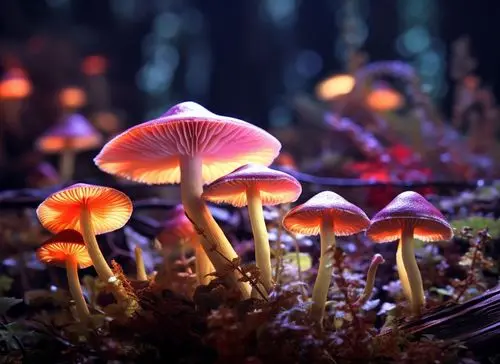
Mushrooms, also known as 'magic mushrooms,' belong to a group of entheogenic plants and chemicals classified as psychedelics. In addition to mushrooms, other substances in this category include ayahuasca, peyote, iboga, and non-plant compounds like ketamine and DMT.
These substances have played a significant role in human societies for thousands of years. With the easing of the War on Drugs, states like Oregon and Colorado in the United States have legalized psychedelics, while municipalities like Oakland, Ann Arbor, and Washington DC have decriminalized them. Public and scientific interest has increased, highlighting that entheogenic substances can help in combating depression and addiction, with the number of ketamine clinics and psychedelic-assisted therapies on the rise.
However, as Schedule I substances, mushrooms and other psychedelics remain difficult to access, and the necessary information for informed decisions is scarce. Similar to cannabis, mushrooms vary in types, potencies, and effects, and a high dose can result in uncomfortable experiences.
The Effects of Mushrooms
Mushrooms can enhance senses for new ways of thinking, inspire a new appreciation for surroundings and loved ones, and provoke deep self-reflections. The effects vary significantly depending on dosage, type of mushroom, body chemistry, and user's environment. They can range from a mild state of euphoria to intense audiovisual hallucinations.
Recent research indicates that mushrooms have medicinal benefits for people suffering from depression, anxiety, and addiction, as well as alleviating psychological distress in cancer patients undergoing treatment. In the coming years, the discovery of even more benefits is expected.
Safe Dosage of Mushrooms
The ideal mushroom dose is individual and varies among consumers. For some, one gram or more is considered a microdose, which does not induce visuals but can reduce anxiety and stimulate creativity. For others, a dose of 3.5 grams may be considered standard.
Most consumers opt for doses between 1 and 3.5 grams.
What to Do in Case of Excessive Consumption?
Taking a very high dose of mushrooms can result in intense and uncomfortable hallucinations, anxiety, and paranoia. Although previous claims suggested that large doses could induce psychosis and delusions, recent research indicates that these claims are unfounded and based on stigma.
If someone takes an excessive amount of mushrooms, it is important to seek help from a sober person. The intense effects can last from 6 to 8 hours, although psychological effects may persist longer. Hydration, food, and a calm environment are recommended. In severe cases, medical assistance should be sought.
Possibility of Lethal Overdose
While taking too many mushrooms can be a harrowing experience, the likelihood of death is extremely low. Few consumers report the need for medical attention, and scientists state that serious negative effects are rare and usually result from combining mushrooms with other substances.
It is important to note that different types of mushrooms contain varying amounts of toxins, and some are extremely poisonous. Most cases of poisoning result from misidentification and consumption of poisonous mushrooms.
Mushroom Dependence
Mushrooms are not addictive substances like alcohol, opioids, and amphetamines, and do not cause physical dependence. However, some people may develop emotional dependence. The full extent of the effects of psilocybin and other psychedelics on the brain is not yet fully known, so it cannot be definitively stated that there are no addictive properties.
In summary, while it is possible to take an excessive dose of mushrooms and experience uncomfortable effects, the likelihood of a lethal overdose is minimal. Responsible and informed use, as well as seeking medical help when necessary, are essential for a safe experience.