Purple Marijuana, Why?

By editorial team Sechat
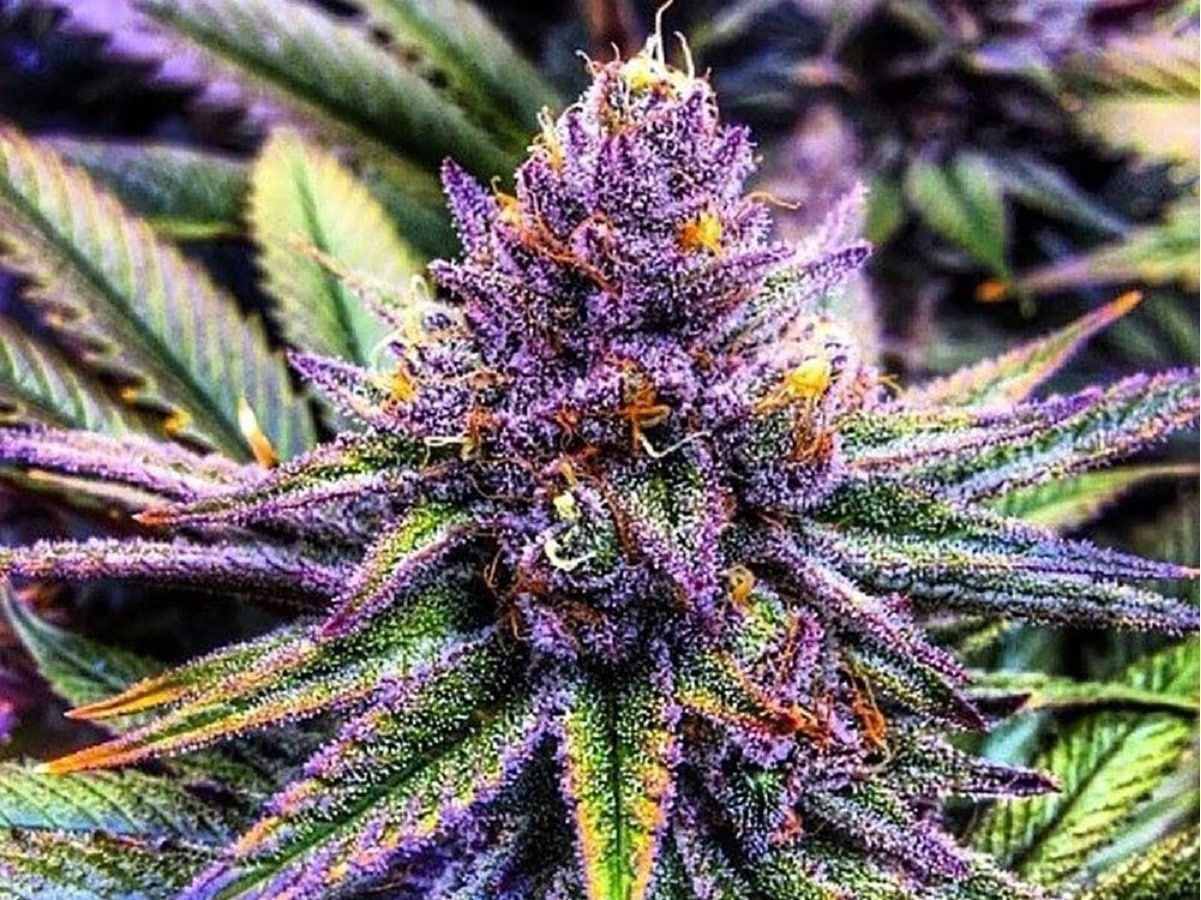
The purple color that occasionally appears in cannabis is a fascinating manifestation of nature. It usually occurs when plants are exposed to lower temperatures than normal. However, some cannabis varieties display shades of purple, violet, or purple even without the influence of cold. This happens due to the selective breeding of strains that have a natural tendency to acquire these distinct colors.
The Secret of the Purple Color
The explanation behind this phenomenon is linked to the biochemistry of the plant. The violet and purple colors are produced thanks to the relationship between anthocyanins and pH. Anthocyanins are water-soluble pigments that react with the plant's pH, showing reddish tones in acidic environments, purples in neutral pH, and bluish in alkaline pH. Therefore, the purple color of cannabis is an expression of these anthocyanins, which are present in all parts of the plant, including leaves, flowers, stems, and roots.
When and Why the Purple Color Appears
The production of anthocyanins occurs in the last weeks of the plant's flowering, when it stops producing chlorophyll, the green pigment responsible for photosynthesis. It is at this moment that anthocyanins accumulate, giving rise to purple shades. However, if these colors appear during the vegetative period, it may indicate health problems or nutritional deficiencies in the plant.
The Relationship Between Purple and Cold
Although cold is a triggering factor for many plants to acquire purple colors, some cannabis varieties only develop this characteristic under prolonged low temperatures. The processes that control color change under these circumstances are not yet fully understood, but involve the activation of anthocyanins.

Medicinal Potential of Purple Cannabis
Purple cannabis contains anthocyanins, which are powerful antioxidants with supposed analgesic, anti-inflammatory, and neuroprotective benefits. Additionally, studies suggest that some anthocyanins have an affinity for cannabinoid receptors, which could have medicinal implications. However, more detailed research is needed to fully understand the effects of consuming cannabis with high anthocyanin content.
Research on the medicinal properties of purple cannabis is a promising field that deserves attention. If the benefits of anthocyanins are confirmed, purple cannabis could transcend its unique aesthetics and become a highly sought-after variety for its medicinal properties. It is expected that as knowledge about cannabis advances, reliable studies will emerge in the coming years, offering a deeper understanding of this versatile and mysterious plant.