See the main obstacles in opening cannabis stores in the USA
Tax changes, local regulations, and operational requirements have increased costs and delayed the opening of cannabis stores in the United States

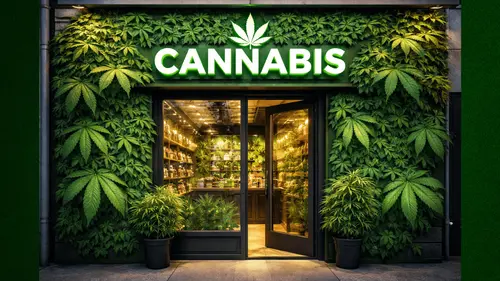
Opening a legalized cannabis store in the United States goes beyond obtaining licenses and choosing a commercial location. Tax changes, zoning regulations, security requirements, and lengthy approval processes are part of the challenges faced by retailers.
According to the MJBizDaily website, sector operators share lessons learned after facing setbacks that impacted costs and schedules.
Taxes can alter inventory planning
Mike Khemmoro, operations director of Mango Cannabis, was preparing to open a unit in New Buffalo, Michigan, when a new 24% state wholesale tax came into effect.
In a competitive market with price pressures, the company had to rethink its strategy to avoid starting at a disadvantage.
"We adjusted by basically tripling what we would normally buy for initial inventory," Khemmoro told MJBizDaily. "Without this planning, we would have started even more at a disadvantage than anticipated".
Zoning can make negotiated locations unfeasible
Zoning rules are also among the main obstacles. In Ohio, Fadi Boumitri, CEO of Ascension Biomedical, had to give up the initially chosen location to open Roam Dispensary.
State law requires a minimum distance of 150 meters between cannabis stores and "sensitive uses," such as schools, parks, and churches. The impasse arose when identifying a church in a neighboring commercial building.
"We went through the process of talking to brokers, making offers, etc., and then found out there is a 45,000-square-foot office space next door, and a church occupies 2,000 square feet in that building, which they use for Sunday worship once a week," he said. "We had to drop the pencils and find a completely different location".
Security costs often exceed the budget
Security requirements are among the main cost-increasing factors. In New York, the State Cannabis Management Office requires cameras at entrances, exits, and points of sale, as well as clear identification of all individuals circulating in the store.
"These systems can significantly increase costs," said Billy Qirollari, owner of Sweetlife, in Manhattan's Upper East Side.
According to the Catalyst BC consultancy, camera systems can cost between $15,000 and $50,000, while the total initial investment for opening a store can range from $300,000 to $1.5 million.
Approvals and deadlines require planning
The approval process can also delay openings. Community boards and local authorities evaluate applications, while expenses such as rent and maintenance continue to accumulate.
"Community board reviews and local approvals can delay opening timelines, while rental and maintenance costs continue to accumulate even before a single sale is made," Qirollari said.
In New York City, applicants must notify the community board 30 days in advance before filing the request with the state regulatory agency.
Inventory planning goes beyond stocking shelves
In addition to taxes, inventory planning involves logistical and operational challenges.
"Coordinating stock deliveries, receipt procedures, and point-of-sale setup can also conflict with construction and inspection schedules," Qirollari explained.
To reduce risks, he recommends starting operations with a smaller and diversified inventory. "This can help new stores avoid overexposure to products that may not match local demand," he concluded.
Source: Content originally published on MJBizDaily.