STJ grants, for the first time in history, Habeas Corpus for association to cultivate medicinal cannabis
Unprecedented decision by the Superior Court of Justice allows a group from Peruíbe (SP) to cultivate cannabis for therapeutic purposes, paving the way for new legal and medical debates on the medicinal use of the plant

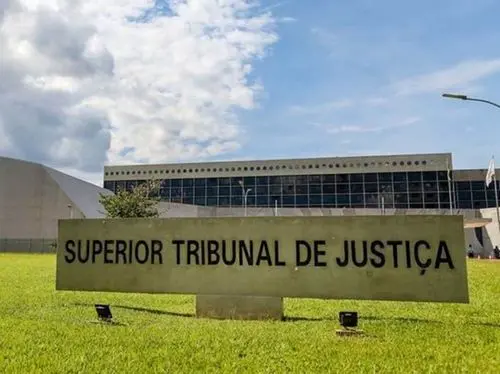
In a historic and unprecedented decision, the Superior Court of Justice (STJ) granted, for the first time, a preventive Habeas Corpus for an association of patients from Peruíbe, São Paulo, authorizing the cultivation of cannabis for medicinal purposes. The measure, which directly benefits the 18 members of the Cannapis association, represents an important milestone for the therapeutic use of the plant in Brazil, especially for groups formed by individuals with chronic health conditions, such as pain, Parkinson's disease, and Multiple Sclerosis.
This decision by the 5th Panel of the STJ, announced in August of this year, stands out for being the first to benefit a collective entity, unlike previous cases that involved only individuals or families. The granting of the Habeas Corpus was celebrated by the medical community and advocates of medicinal cannabis, who see the action as a significant advancement in ensuring more accessible and natural treatments for patients who rely on the therapeutic benefits of the plant.
See the testimony of Natan Duek, the lawyer responsible for the action:
Importance of the decision for the future of medicinal cannabis
The relevance of this decision goes beyond the authorization granted to the Cannapis association. It sets a legal precedent, allowing organized groups, with proper medical documentation, to have the right to plant and produce cannabis for the benefit of their members. In the specific case of Peruíbe, the cultivation is supervised by an agronomist, who ensures the safety and quality of the product for medicinal purposes.
In April of this year, the association was the target of a search and seizure warrant following a report of cannabis cultivation. At the time, as Duek explains, the group's president was caught in the act but was released during a custody hearing. The Public Prosecutor's Office of São Paulo archived the investigation against the group in September, justifying that the cultivation of the plant for medicinal purposes does not pose a threat to public health or collective safety.
Minister Daniela Teixeira, responsible for the decision at the STJ, understood that all legal requirements for granting the Habeas Corpus were met, including the presentation of medical prescriptions and compatible reports from the members. The magistrate emphasized that imposing additional conditions would exceed the current understanding in Brazilian law.
The legalization of cultivation for medicinal purposes still faces challenges in Brazil, but decisions like this one from the STJ create opportunities for new debates and advancements in legislation, in a scenario where more and more countries are regulating the medicinal use of cannabis.