Study Proves That Cannabis Flower with High THC Levels is Effective in Pain Relief

Published on 09/18/2019
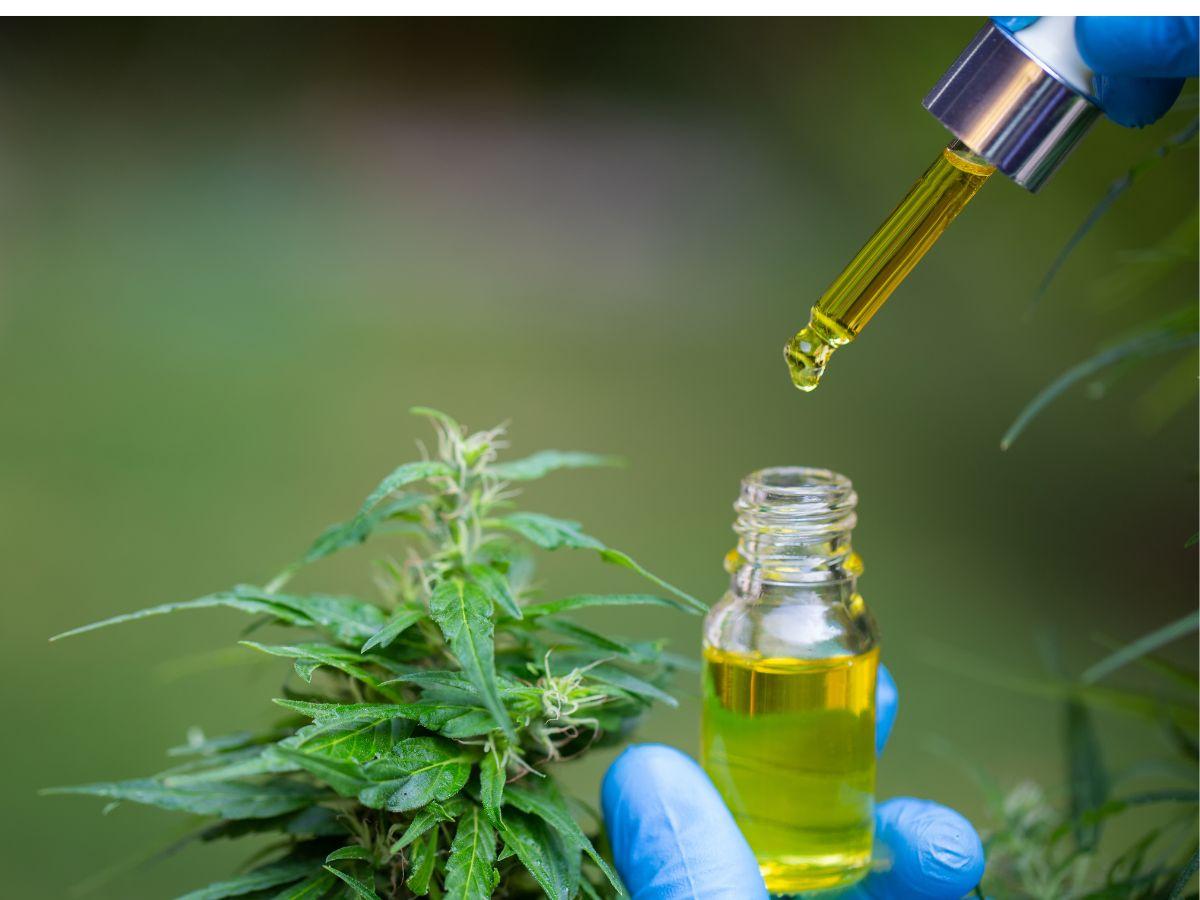
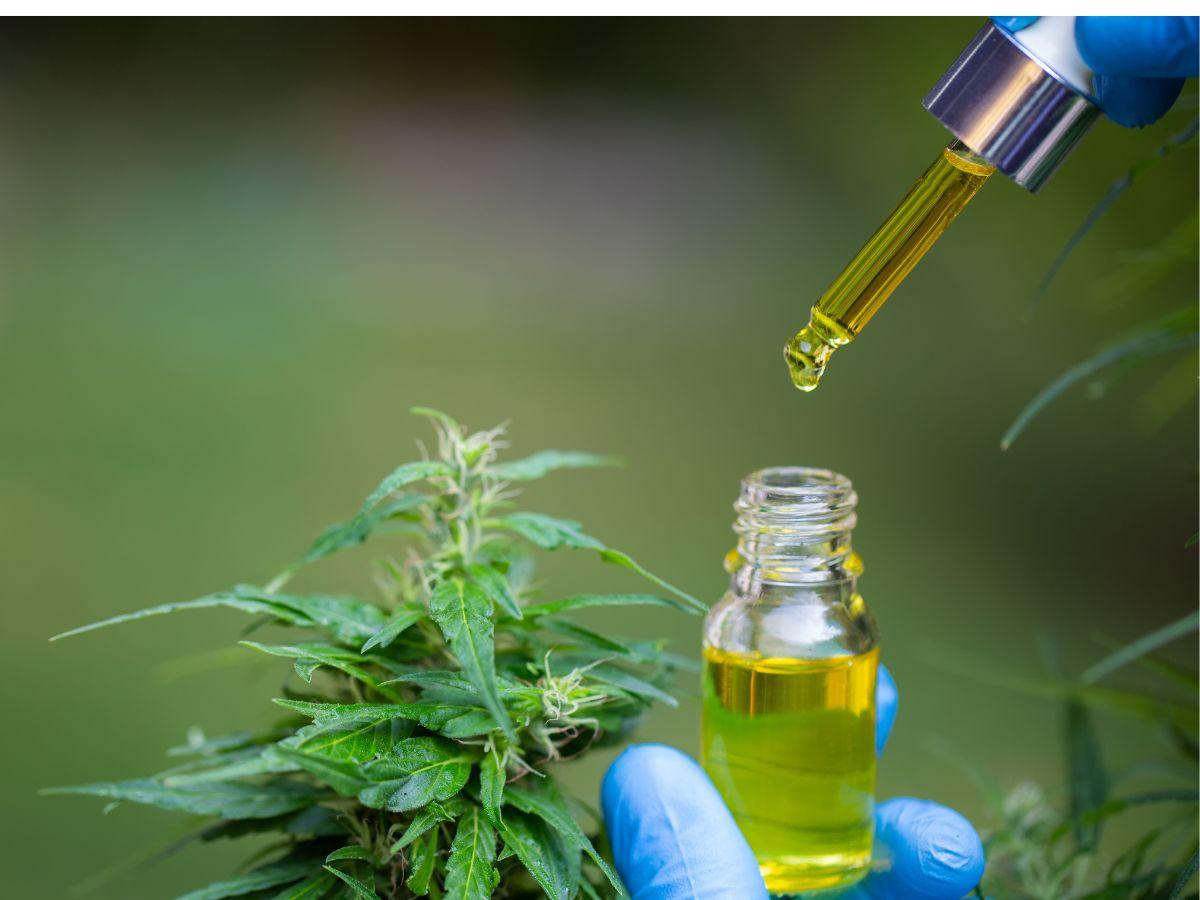
The study, conducted by the University of New Mexico (UNM), showed that the highest reported analgesic responses were from participants who used whole dried cannabis flowers, also known as 'buds', and cannabis pairs with relatively high levels of tetrahydrocannabinol, more commonly known as THC.
The cannabinoid (cannabidiol or CBD) showed little association with momentary changes in pain intensity, based on the vast database explored in the study. Jacob Miguel Vigil, one of the lead researchers of the study, 'The Efficacy of Self-Directed Medical Cannabis Treatment for Pain', published in the journal Complementary Therapies in Medicine, said: “Marijuana likely has numerous constituents that possess analgesic properties beyond THC, including terpenes and flavonoids, which likely act synergistically for people using whole dried cannabis flowers.”
He explains that "it can only benefit the public for people to be able to weigh responsibly the true risks and benefits of their pain medication choices, and when given the opportunity" and that he has already seen "countless chronic pain patients substitute medication with medical cannabis."
“Perhaps the most surprising outcome is how widespread relief was with symptom relief reported in about 95% of cannabis administration sessions and across a wide variety of different types of pain,” notes another author of the study, Xiaoxue Li.
The researchers used the largest real-time recording database of the effects of common and commercially available marijuana products in the United States, and the average user experienced a three-point drop in pain suffered on a scale of 0 to 10 immediately after consuming marijuana.
With a growing full-blown opioid epidemic and relatively few analgesics available to the general public, scientists have found conclusive support that marijuana is highly effective in reducing pain caused by different types of health conditions, with relatively minimal negative side effects.
Chronic pain affects more than 20% of adults and is the most burdensome health condition facing the U.S.; exceeding, for example, the combined costs of treating heart disease and cancer.