Synthetic Cannabidiol is "Pure Junk" | All About Cannabis
Published on 08/27/2019
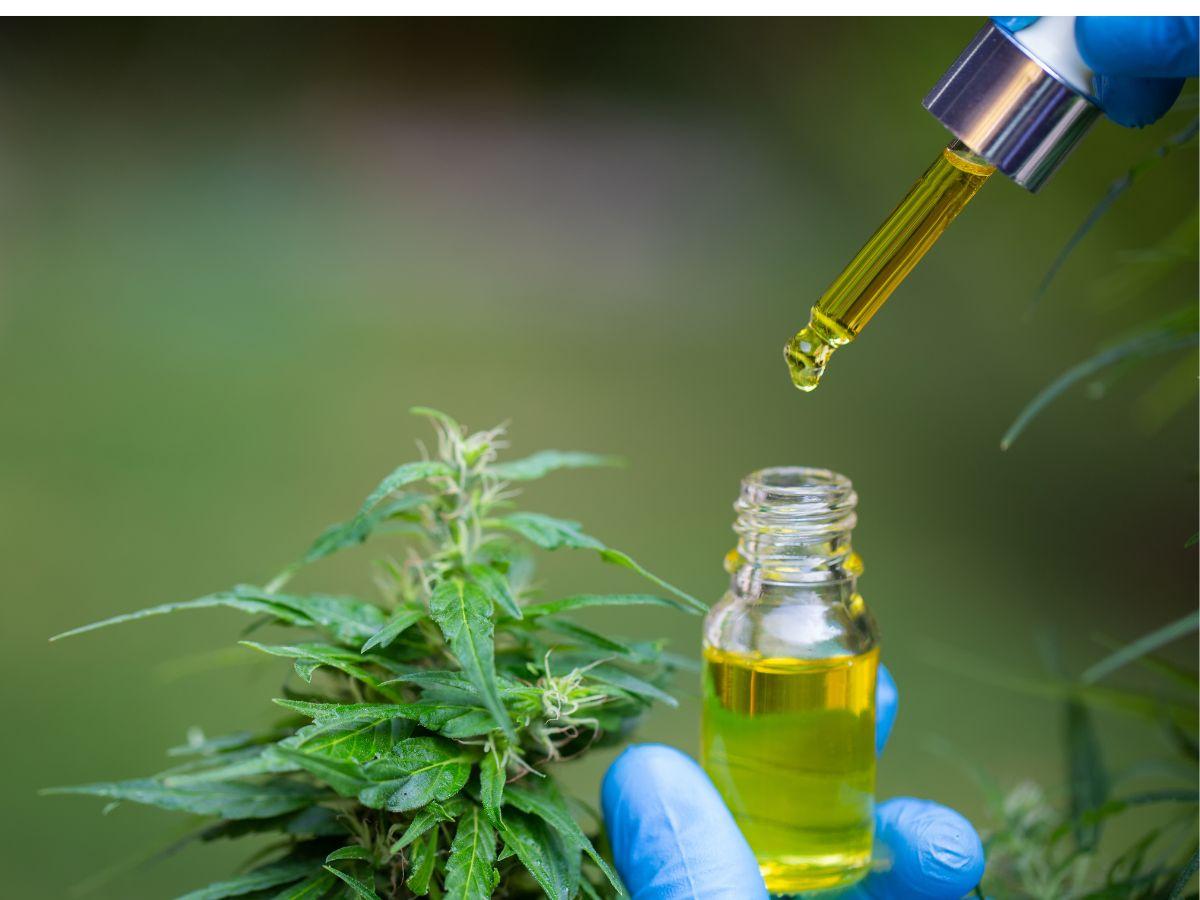
The Sechat portal publishes this Tuesday (27) another article in partnership with the blog All About Cannabis, a space that proposes "solid content about everything relevant in the world of cannabis and cannabinoids." The following text is signed by psychiatrist Wilson Lessa, a professor at the Federal University of Roraima, a cannabis prescriber for nearly 3 years, and the scientific director of the Brazilian Society for Cannabis Studies (SBEC). He is a member of the Society of Cannabis Clinicians (SCC) and the International Cannabinoid Research Society (ICRS). Wilson Lessa is also a columnist for Sechat
If it's so easy to produce synthetic cannabidiol, why do countries like Israel insist on planting Cannabis ? Why the effort to seek different strains of plants, with profiles of phytocannabinoids, terpenes, and flavonoids in unique combinations? And it is worth remembering that social/recreational use of marijuana is prohibited (although personal use is decriminalized) on Israeli soil.
Let's try to answer with science. How about it?
In 2015, researchers from the Hebrew University of Jerusalem (Gallily et al. 2015) demonstrated in rodents that cannabidiol (CBD) has proven to be a potent anti-inflammatory and anxiolytic, without exerting a psychotropic effect. However, when CBD was purified (close to 100%), an inverted U-shaped dose-response was observed (biphasic effect), meaning that increasing the dose causes a regression of the observed effect, which limits its clinical use. For more details, see this explanatory post.
On the other hand, when they used a full oil from a specific clone of Cannabis, there was a clear correlation between the anti-inflammatory and anti-nociceptive effects, between the dose and the response, with an increase in clinical response with increasing dosage, which makes this extract ideal for clinical uses. In other words, in the CBD derived from the plant, there was a proportional increase between dose and effect, which is everything one expects from a medication!
Back in 1998, Professor Raphael Mechoulam and Shimon Ben-Shabat postulated that our endocannabinoid system demonstrated an entourage effect, in which a variety of "inactive" metabolites and related molecules markedly increased the activity of the primary endogenous cannabinoids, Anandamide and 2-AG (Ben-Shabat et al., 1998). They also suggest that this helps explain how botanical drugs are often more efficient than isolated compounds (Mechoulam and Ben-Shabat, 1999).