THC may become more potent than the original compound after absorption by the body
New study findings challenge established concepts about the effects of cannabis

A recent study published in The Journal of Pharmacology and Experimental Therapeutics revealed that 11-hydroxy-THC (11-OH-THC), a metabolite of THC found after processing in the human body, may be as potent as or even more potent than THC itself. This finding sheds light on the complexity of cannabis effects.
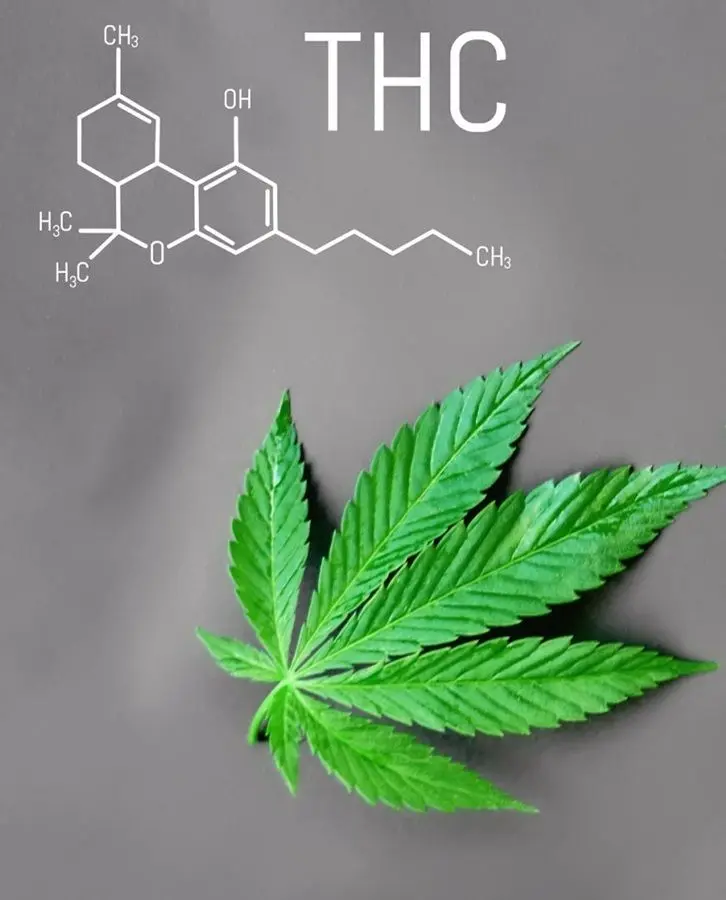
Researchers at the University of Saskatchewan conducted experiments with mice, directly administering 11-OH-THC and comparing its effects with the original THC. Surprisingly, 11-OH-THC was shown to be up to 153% as active as THC in nociception tests and 78% as active in catalepsy tests, highlighting its robustness in cannabinoid activities.
"The discovery that 11-OH-THC may be more potent than the original THC challenges our current understanding of cannabis effects," commented the study's authors. "These results not only expand our understanding of how cannabis metabolites affect the body, but also suggest new avenues for future research."
Furthermore, the study emphasizes the importance of 11-OH-THC in drug tests, as this metabolite can remain detectable in the body for extended periods, even after the psychoactive effects of cannabis have worn off. This may have significant implications for driving tests and other activities that require quick and accurate reflexes, for example.
While further research is needed to fully understand the impact of 11-OH-THC on the human body, the current findings provide a solid foundation for exploring how different methods of cannabis consumption may influence its bioactive effects.