The quality of cannabis products produced by the industry in Brazil
How the pharmaceutical industry ensures quality and safety in cannabis-based products sold in Brazil

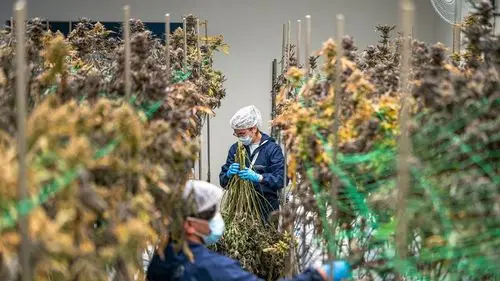
Behind each bottle of cannabis oil sold in Brazilian pharmacies, there is a rigorous production process that involves everything from controlled plant cultivation to sophisticated laboratory analyses. RDC 327/2019, Anvisa regulation that allows the commercialization of these products in the country, establishes standards that have turned medicinal cannabis into a segment of the pharmaceutical industry with requirements comparable to any other medication.
The Protagonist: CBD and the Cast of Cannabinoids
By Anvisa regulation, the cannabis products currently marketed in Brazil need to have cannabidiol (CBD) as the majority in their composition. Rafaela Prates Xavier, Director of Pharmaceutical Operations at Ease Labs, and Maísa Fernandes, Coordinator of Pharmaceutical Development at Ease Labs, explain: "This requirement is based on the fact that CBD is the cannabinoid with the highest level of scientific evidence related to safety and therapeutic potential".
Lucas Fisher, from Endogen, details the chemical properties of the main cannabinoids: "The main cannabinoids present in pharmaceutical industry products are Tetrahydrocannabinol (THC) and Cannabidiol (CBD). Their chemical properties are crucial for efficacy and safety. THC acts as a partial agonist of CB1 and CB2 receptors; the affinity for the CB1 receptor in the CNS provides therapeutic efficacy (analgesia, antiemetic), but is also the cause of the psychoactive potential, requiring moderation and control in formulation".
Fisher further explains about CBD: "CBD, on the other hand, has low affinity for CB1/CB2 and acts as a negative allosteric modulator of CB1. Its non-psychoactive chemical structure allows it to act on multiple molecular targets, providing a safety profile superior to isolated THC, being effective as an antiepileptic and anxiolytic".
The Ease Labs experts confirm: "CBD is a non-psychotomimetic compound, with low risk of adverse events, and acts as a modulator of various neural pathways. This pharmacological profile is related to the well-documented anxiolytic, anticonvulsant, anti-inflammatory, and neuromodulatory effects".
Luzia Sampaio, Medical Scientific Manager at Herbarium, a national reference pharmaceutical industry in phytomedicines, explains that "in the Brazilian pharmaceutical industry, cannabis products focus primarily on Cannabidiol (CBD), available both as an isolated phytopharmaceutical and in phytocomplexes". She details: "Phytocomplexes are complete plant extracts that, in addition to CBD, contain other phytocannabinoids such as Tetrahydrocannabinol (THC), Cannabigerol (CBG), and Cannabinol (CBN), as well as other important secondary metabolites such as terpenes and flavonoids".
Regarding THC, the professionals at Ease Labs highlight: "In products formulated from plant extract, other cannabinoids may also be present, including tetrahydrocannabinol (THC) — the main psychotomimetic compound of Cannabis. Although THC presents possible analgesic, antispasmodic, and antiemetic effects, its use requires strict control due to the greater potential to cause adverse effects".
Sampaio reinforces that "the THC content in these products is rigorously regulated, preferably being less than 0.2%, ensuring a safety profile without significant psychoactive effects".
The choice between products is scientifically based. Sampaio clarifies: "High-purity CBD (phytopharmaceutical) has well-established efficacy and safety in the scientific literature, justifying its clinical use for specific indications where isolated CBD demonstrates its pharmacological potential. However, in phytocomplexes, the synergistic interaction of various chemically active compounds (cannabinoids, terpenes, flavonoids) is a phenomenon that has received increasing attention. This pharmacological synergy can amplify therapeutic efficacy and mitigate potential adverse effects that could be observed with isolated cannabinoids, offering a more comprehensive and sometimes safer action profile".
Fisher exemplifies this combination: "The formulation of medications like Mevatyl combines both in defined proportions to optimize the therapeutic effect while mitigating the adverse effects of THC".
The Ease Labs experts emphasize: "The quality and safety of these products depend directly on the standardization of pharmaceutical processes. Advanced techniques of extraction, purification, and analytical control ensure that the patient receives precise and reproducible concentrations of each cannabinoid. This rigor is essential to reduce variability between batches, increase the predictability of therapeutic effects, and ensure safety throughout the treatment".
From Plant to Bottle: A Process Under Constant Surveillance
Sampaio explains that quality starts in the field: "The starting point is fundamental: the raw material must be cultivated under Good Agricultural Practices (GAP), essential for initial quality and to minimize the presence of contaminants".
Fisher details the extraction methods: "Extraction and purification processes in the pharmaceutical industry aim to ensure purity, safety, and batch-to-batch consistency. Supercritical fluid extraction (CO2) or cold ethanolic extraction are highly efficient methods used to maximize the recovery of cannabinoids and preserve the initial quality of the extract".
He further explains about purification: "Next, purification is critical and usually performed through large-scale chromatographic separation techniques, such as High-Performance Liquid Chromatography (HPLC) or Counter-Current Chromatography (CCC). These steps remove unwanted chemical contaminants (pesticides, heavy metals, residual solvents) and ensure that the final Active Pharmaceutical Ingredient (API) is of high purity and with precise concentration".
Sampaio details the supervision system: "The entire process, from initial extraction and intermediate purification steps to obtaining the final cannabis product, is rigorously supervised and validated under a Good Manufacturing Practices (GMP) system".
Rafaela and Maísa, from Ease Labs, add: "In the pharmochemical industry, extraction and purification processes are structured with validated parameters, ensuring reproducibility between batches. Moreover, both the materials used in the process and the finished product follow strict specifications, guaranteeing the necessary quality and safety".
Quality control is continuous. Sampaio details: "Continuous quality control is integrated at all stages, from raw material to finished product. Intermediate and final analyses, using advanced techniques such as High-Performance Liquid Chromatography (HPLC), Gas Chromatography coupled with Mass Spectrometry (GC-MS), and Inductively Coupled Plasma Mass Spectrometry (ICP-MS), are crucial to verify purity and the absence of unwanted contaminants, such as residual solvents, heavy metals, pesticides, and microbiological agents".
This control also "ensures the complexity standard of phytocomplexes, guaranteeing batch-to-batch equivalence not only in CBD content but also in the composition of other cannabinoids and secondary metabolites. This is essential to prevent variations that could directly impact the safety and efficacy of the cannabis product", emphasizes Sampaio.
The Invisible Enemies: Light, Heat, and Oxygen
The Ease Labs professionals warn: "Environmental factors such as temperature, light, and oxygen can compromise the stability of cannabinoids, as they accelerate degradation processes".
Fisher scientifically details these processes: "Cannabinoid stability is highly impacted by chemical and environmental factors, as they are terpenophenolic molecules vulnerable to degradation. Oxygen (O2) causes the oxidation of THC into Cannabinol (CBN), a less potent cannabinoid. UV light induces photolysis and molecular structure degradation. Temperature can cause thermolysis and decarboxylation of acidic forms into their active neutral forms".
Sampaio adds: "Exposure to light, especially ultraviolet radiation, acts as a potent degradation catalyst, causing, for example, the oxidation of THC into cannabinol (CBN). Elevated temperatures also accelerate reactions such as oxidation and decarboxylation of acidic cannabinoids into their neutral forms".
The issue goes beyond potency loss. According to Sampaio, "while controlled decarboxylation is a desired process for activation, excessive or inadequate heating can lead to potency loss and the formation of undesirable degradation products". She further explains: "The presence of oxygen, in turn, promotes the oxidation of cannabinoids, contributing to the alteration of their composition".
Rafaela and Maísa explain the control strategies: "Control measures are applied during the process to mitigate these risks, including controlling humidity and temperature in production areas, using appropriate packaging that protects the product, and storing under proper conditions".
Fisher details large-scale solutions: "To combat these challenges on a large scale, the pharmaceutical industry uses opaque packaging, stores products under inert gas (such as nitrogen), and may include antioxidants in the formulation. Additionally, storage under controlled temperature or refrigeration conditions is essential to maintain the quality and potency of the product throughout its shelf life".
Sampaio details packaging solutions: "Packaging is optimized, using materials such as amber glass, which are opaque to protect against light. Strategies such as the use of hermetically sealed packaging are employed for protection against light and oxygen ingress". Additionally, "filling in an inert atmosphere, such as nitrogen, is a common practice to minimize oxygen exposure".
Formulation is also strategic. Sampaio explains: "Strategic formulation is also crucial, with the development of products that use oily vehicles to offer a protective environment for lipophilic cannabinoids and the inclusion of pharmaceutical antioxidants, such as tocopherols, to combat oxidation".
The Ease Labs experts add: "Furthermore, stability studies are conducted to verify the product's protection against light, humidity, and temperature over time". Sampaio further explains: "In-depth, accelerated, and long-term stability studies, following international guidelines and national regulations, are carried out to determine the shelf life and storage conditions that ensure the maintenance of product integrity and potency".
The Precision of Repetition: Ensuring Identical Batches
Sampaio emphasizes: "Standardization and consistency between batches are pillars in the pharmaceutical production of medicines and also of cannabis products, being essential for patient safety and the predictability of therapeutic effect".
The process starts with cultivation. As Sampaio explains, "this rigor begins with the initial need for controlled and uniform cultivation practices, together with strict control of raw materials. Cannabis is selected based on standardized conditions (Good Agricultural Practices - GAP) and genetically controlled, minimizing phytochemical variability".
Rafaela and Maísa, from Ease Labs, detail: "The industry ensures standardization and consistency of cannabinoid-based product batches through controlled and validated processes, involving the use of pre-characterized raw materials, standardized operating procedures, and calibrated and qualified equipment".
Fisher explains quality control methods: "The pharmaceutical industry ensures that each batch has the same concentration of cannabinoids through rigorous Quality Control (QC) processes based on Good Manufacturing Practices (GMP). Validated analytical methods, such as High-Performance Liquid Chromatography (HPLC), are used to accurately quantify cannabinoids and ensure that potency falls within the registered product specifications".
During manufacturing, Sampaio explains: "Subsequent manufacturing steps are validated to ensure reproducibility, with critical parameters such as temperature, pressure, times, and component ratios being precisely controlled and monitored". She adds: "During the process, in-process quality control performs continuous monitoring and intermediate sampling, allowing real-time adjustments to keep the batch within specifications".
Final verification is done with advanced technology. Sampaio details: "Final verification of product concentration and identity in each batch is crucial. For this, validated analytical methods are employed, such as High-Efficiency Liquid Chromatography (HPLC-UV/DAD), which accurately quantifies the concentration of cannabinoids such as CBD and THC, as well as other relevant cannabinoids".
For phytocomplexes, Sampaio highlights: "For phytocomplexes, consistency goes beyond individual cannabinoid concentration, encompassing the maintenance of the complexity standard of all secondary metabolites, such as terpenes and flavonoids, so that the entourage effect is consistently maintained between batches".
Fisher adds about botanical extracts: "For medications using botanical extracts (such as Mevatyl), the standardization process is even more critical, ensuring that the specific ratio between THC and CBD, and their absolute concentrations, are identical in all batches. This chemical consistency is fundamental to ensure that the patient always receives the same therapeutic effect and that the medication's safety is maintained".
The Ease Labs professionals conclude: "Monitoring critical process parameters and applying rigorous specifications in analytical and microbiological tests ensure the attainment of a safe, stable, and high-quality final product".
Final Control: From Factory to Pharmacy
Sampaio clarifies the final control: "Regulations require that the quality control of the finished product be carried out in national territory by laboratories accredited by the Brazilian Network of Analytical Health Laboratories (REBLAS), which rigorously verify, among other parameters, the levels of CBD and THC, ensuring compliance with the specifications of RDC 327/2019 and patient safety".
Traceability is total. As Sampaio details, "traceability and complete documentation of each batch are equally fundamental, confirming that all quality controls were executed. The release of each batch for commercialization occurs after technical analysis by ANVISA, and all documents produced in the context of cannabis product production must be available to the Agency, which can request information verification at any time".
Rafaela and Maísa, from Ease Labs, summarize: "Analyses are conducted through validated methods, following current legislation and guidelines established by Anvisa. Additionally, they meet the specifications of official compendia and international standards, ensuring reliable results that guarantee the quality, stability, and safety of the product".
Fisher details essential tests: "The chemical tests and analyses carried out in the industry are essential for compliance with ANVISA regulations (RDC n° 327/2019 and GMP) and to ensure patient safety. The identity and purity test confirms the chemical composition of the active ingredient, while contaminant tests, covering heavy metals, pesticides, residual solvents, and microbial count, ensure that the product is free of harmful substances within the limits established by pharmacopeias. Additionally, stability studies (accelerated and long-term) confirm the drug's shelf life and ideal storage conditions".
The Ease Labs experts explain the scope: "The tests and analyses allow us to monitor identity, purity, potency, stability, and other parameters of both inputs and finished products, ensuring that each batch meets the quality requirements established by health regulations. This strict control allows us to identify any deviations, prevent risks, and ensure consistency between batches, from raw material to final release".
Fisher concludes: "Approval of each batch only occurs after laboratory confirmation that all these quality, potency, and safety criteria have been fully met".
Safety
Sampaio concludes: "This robust integration of chemical analysis with regulatory requirements, combined with post-commercialization traceability and monitoring systems, where the industry reports adverse events, ensures that the cannabis product that reaches the pharmacy for the patient is safe and of high quality, fully meeting current health standards".
For Brazilian patients, this rigor represents not only regulatory compliance but also the assurance that each product has undergone multiple layers of quality control, from cultivation to final approval by Anvisa, ensuring safety and therapeutic efficacy".