UK Experts Provide Guidelines to Standardize Prescription of Medicinal Cannabis
The new rules aim to bring more clarity on dosages, THC levels, and patient eligibility, increasing the safety and consistency of treatments

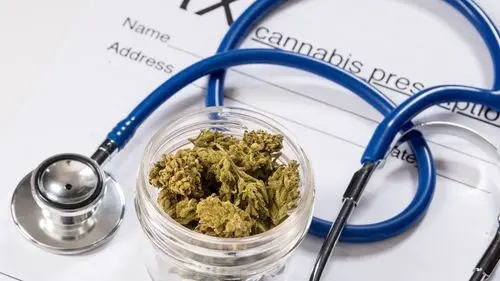
New guidelines on THC levels, dosages, and patient eligibility have been published to bring more clarity and consistency to medicinal cannabis prescription in the UK. Nearly seven years after legalization, the measure seeks to standardize practices in the growing private market.
Currently, about 180 specialist consultants actively prescribe, but almost all prescriptions take place in private clinics. One of the main challenges is the lack of mandatory training requirements for doctors wishing to work in the field.
With over 40 active clinics, but only half of them registered with the Care Quality Commission (CQC), doctors have reported significant variations in clinical practice. In its annual report, the CQC raised concerns about gaps in supervision, clinical justification, and compliance with advertising rules in some private clinics.
These concerns come after the publication of data showing a 130% increase in the number of private prescriptions between 2023 and 2024. Industry sources suggest that approximately 75,000 patients have access to medicinal cannabis treatments in the UK.
Main points of the new cannabis guidelines
In response to this scenario, the Medical Cannabis Clinicians Society (MCCS) updated its "Good Practice Guidelines". The document defines prescribers' responsibilities and provides recommendations on dosage and the use of flower and oil-based products.
One of the key recommendations is that any prescription above 2g of flower per day, or of products with THC above 25%, must undergo a peer approval process. "Normally, these doses should not be prescribed initially, but rather increased slowly, with careful documentation of the effects," the guidelines state.
The MCCS also clarifies which conditions qualify for treatment and the requirement that patients have tried two previous treatments before resorting to medicinal cannabis, points that were not stipulated in legislation. "It is not appropriate for a patient to demand a specific product. There must always be a discussion between the patient and the doctor," the document emphasizes.
Additional prescribing recommendations
The guidelines also discourage the use of "recreational" strain names, such as 'Girl Scout Cookie' and 'Gorilla Glue', as they do not assist in the "acceptance of the plant's medicinal value". Similarly, doctors are advised not to rely on the terms "sativa" and "indica", as they do not represent a "clinical distinction".
With information from Cannabis Health