UnB study highlights benefits of cannabidiol in treating crack dependence
The results indicated that CBD can alleviate primary symptoms related to drug use

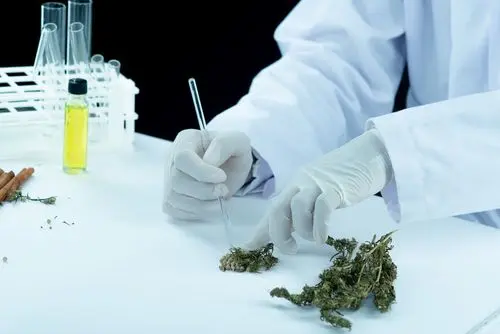
Researchers from the University of Brasília (UnB) revealed that the use of cannabidiol (CBD) can offer promising results in the treatment of crack dependence. The study involved 73 drug users and showed that treatment with CBD oil, compared to conventional medications, was more effective in reducing symptoms associated with crack consumption.
The research divided the participants into two groups. The first, with 36 people, received CBD oil (50 mg/ml) and placebo tablets simulating traditional medications. The oil did not contain tetrahydrocannabinol (THC), the psychoactive component of cannabis.
The second group, with 37 participants, was treated with conventional medications used for crack dependence: fluoxetine (antidepressant), valproic acid (mood stabilizer), and clonazepam (anxiolytic). Additionally, they received a placebo oil simulating CBD.
Over ten weeks, the volunteers were monitored with weekly consultations to collect medication, answer drug use questionnaires, and undergo urine toxicology tests, analyzed by the Institute of Criminalistics of the Civil Police of the Federal District.
The results indicated that CBD can alleviate primary symptoms related to crack use, such as lack of appetite, weakened health, and difficulty in reducing drug consumption. The group treated with CBD also had fewer adverse events compared to the control group, which used standard medications.
According to the researchers, the side effects of traditional medications, such as diarrhea, constipation, nausea, dizziness, and memory problems, are exacerbated in people with crack dependence due to excessive dosage and medication combination.
The study suggests that access to CBD as an adjunct therapy can improve adherence to crack dependence treatment, contributing to a better approach in healthcare services.