What is Ice? A potent, natural, and still poorly understood extract
Pharmacist and specialist in Medicinal Cannabis invites society to look at cannabis with more science, less sensationalism, and more empathy.

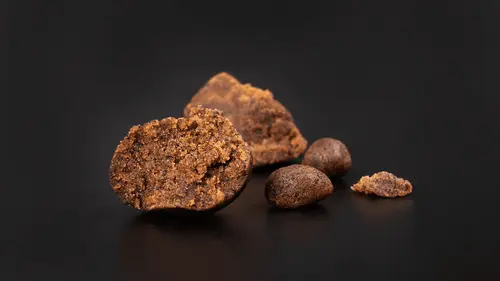
An article aired at the end of June by the Fantástico program, from TV Globo, raised the alarm: the so-called 'Ice' of cannabis was presented as a high-potency compound, with potential risks and side effects. But what is this extract really? Is it a disguised enemy or just another method within good pharmaceutical practices?
To answer responsibly, the Sechat Portal interviewed Carlos Espínola, a master in Pharmacochemistry, pharmaceutical consultant at QualityGMP, and specialist in Medicinal Cannabis. With over 15 years of experience in the field, he brings a technical, sensitive, and explanatory perspective on the subject.
Ice is just a way of extracting and not a separate compound

"What is called Ice is actually the result of an extraction technique that uses very low temperatures to freeze the trichomes, plant structures where cannabinoids, terpenes, and flavonoids are concentrated," explains Espínola. In other words, it is a way to preserve the bioactive compounds of cannabis to the maximum, with the difference of not using chemical solvents.
Furthermore, according to the specialist, Ice can be considered a full spectrum extract, as it maintains the integrity of the plant's main components. "However, nothing prevents it from being converted into a broad spectrum if THC is removed," he adds.
Less chlorophyll, more therapeutic potency
The absence of solvents and the reduction of plant impurities, such as chlorophyll, make Ice an extract with a high concentration of phytocannabinoids. This means that smaller doses may be sufficient to achieve the desired therapeutic effect, a positive point for patients who need potent treatments but better tolerated.
"Patients with severe chronic pain, refractory epilepsy, or cancer can benefit greatly from this type of extract," says Espínola. He also emphasizes that the method of use (vaporized or ingested) can influence tolerability and clinical response.
And what about the entourage effect? It is preserved
One of the most common concerns among patients and prescribers is whether Ice would compromise the so-called entourage effect, which is basically the synergy between the plant's compounds that enhances therapeutic effects. "This fear is unfounded. Ice maintains terpenes and cannabinoids in its composition, allowing the entourage effect to occur effectively," assures the pharmacist.
Sensationalism vs. science: why we need to take a deep breath
Regarding the treatment of the subject in the mainstream media, Espínola is direct but generous. "There is still much unknown. Technical terms are presented out of context, and that is scary. But Ice is just a technique, like alcoholic extraction or with supercritical CO₂. None are good or bad in themselves, everything depends on the purpose and responsibility involved," evaluates the pharmacist.
For him, the path involves education and quality information. "This is what Sechat has been doing, and this is what needs to be strengthened," he says.
With a solid trajectory in the ABRACE association and the pharmaceutical industry, Carlos Espínola sees the urgent need for bridges between healthcare professionals and the press. "We need to speak the same language, based on evidence and technical alignment. Only then does the debate on medicinal cannabis evolve, and prejudice gives way to empathy," he points out.
He believes that the press plays a crucial role: "When journalists commit to science, they help build a trustworthy and safe ecosystem for patients, families, and prescribers".
Learn More
The types of cannabinoids and their effects
The new genetic map of cannabis and the paths to the future
Ice is no mystery: it's applied science
Between fear and exaggeration, the truth is usually simpler and more humane. Ice is just another therapeutic tool that, if used with criteria and knowledge, can improve the lives of many people. The challenge lies in knowing how to listen to the right voices, those that come from practice, ethics, and attentive listening to human suffering.
As Espínola aptly concludes, "cannabis is a plant. What we do with it defines whether we follow the path of care or misinformation".