“Before THC medication, my son had 60 seizures a day,” says mother of epilepsy patient
Ana Lúcia Oliveira, mother of Gael, celebrated the advances to include medicinal cannabis in the SUS, but she is concerned about the regulation. Understand

Published on 12/23/2022
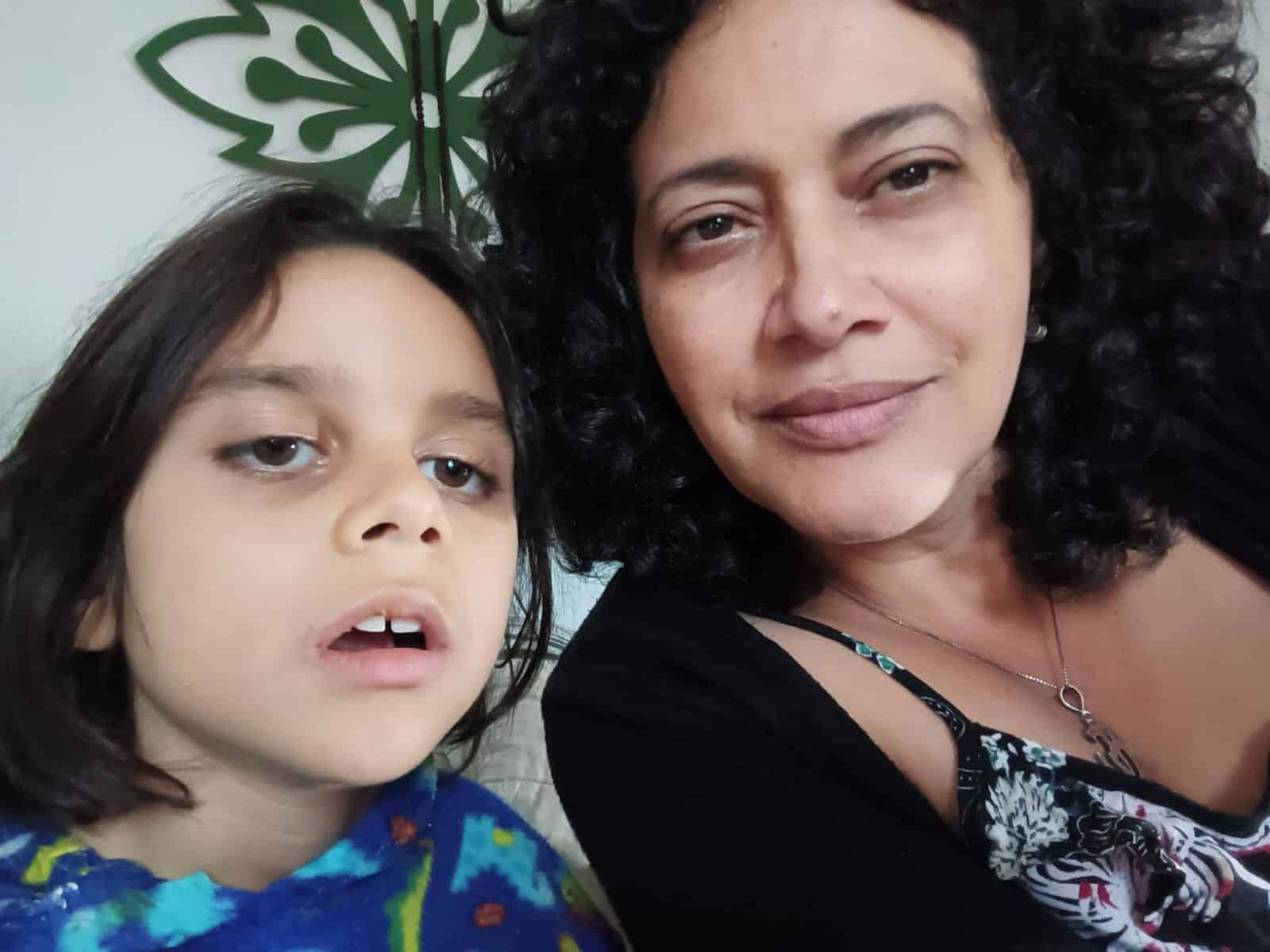
Living daily with the 60 seizure crises of her son was something desperate for Ana Lúcia de Oliveira, 51 years old. Gael, now 9 years old, is being treated for epilepsy. At two and a half months old, he had meningococcal meningitis and later a stroke. Health problems seemed unsolvable until the family started using cannabis oil.
"Gael is in good health and it is really because of the oil from this plant. That is a fact", said the mother.
As the alternative treatment is not yet available in the SUS (Unified Health System), the low-income family, residents of the outskirts of Barueri - metropolitan region of São Paulo, had difficulty accessing the THC-based medication, one of the main cannabinoids of the plant. Mainly due to lack of information.
Even without financial conditions, Ana Lúcia even paid R$700 for a consultation with a neurologist. According to the mother, the son followed the conventional treatment to the letter. After consultations with specialist doctors, the boy ended up taking the five main medications to control seizures. But the treatments did not yield the expected results. The 60 seizures per day persisted, a constant torment for the family.
The fight for the son's health
To take care of Gael's health, Ana Lúcia decided to seek alternative treatment based on cannabis. That's when she met a gardener who produced artisanal plant oil.
“In the first few days, we already saw the difference. There were 60 crises that decreased to 20 and then to 5 daily crises,” she recounted.
Since 2014, Gael has been a patient of the oil produced with THC. After stabilizing the crises, the family consulted a neurologist again, who did not accept the alternative treatment. Physiotherapists also hesitated about the plant oil, even after the patient's satisfactory improvement.
“There is still a lot of misinformation about this cannabis-based medicine in hospitals and, especially, among health professionals,” she pointed out.
Today, Gael no longer uses allopathic medications and, being only a user of the plant oil, has seizures only once a week. Ana Lúcia advocates for free access to medicinal cannabis for the population.
It's wonderful that this medication is entering the SUS. We live in the outskirts and visit many families. Gael studies in the South Zone of SP, in another even larger outskirts than where we live, we see the search and the need of people for this medicine, this plant, this medication or remedy that should be in the SUS or in the backyard of their own home. A medication that the population should have access to.
The bill
On December 21, the Alesp (São Paulo State Legislative Assembly) approved the inclusion of cannabis-based medications on the SUS list. The project, to become law, still needs to be sanctioned by the State Government.
Ana Lúcia has one concern regarding SUS regulation, as her son's treatment depends on a product rich in THC.
"Who is already using artisanal oil? Will the SUS work with artisanal oil? How will the transition be? What type of cannabidiol will be offered by the SUS? Will it be prescription-only or high cost?”, she asked.
Ana Lúcia, who used to work in Japanese cuisine, can no longer work outside the home because she is fully dedicated to the roles of mother and caregiver of Gael.