Cannabis importation in SP grows 6.2% in the 1st semester of 2025
Anvisa authorizations for importing cannabidiol in São Paulo increased by 6.2% between January and July 2025, consolidating the state as a leader in requests and reflecting the expanded access through the SUS

Published on 09/29/2025
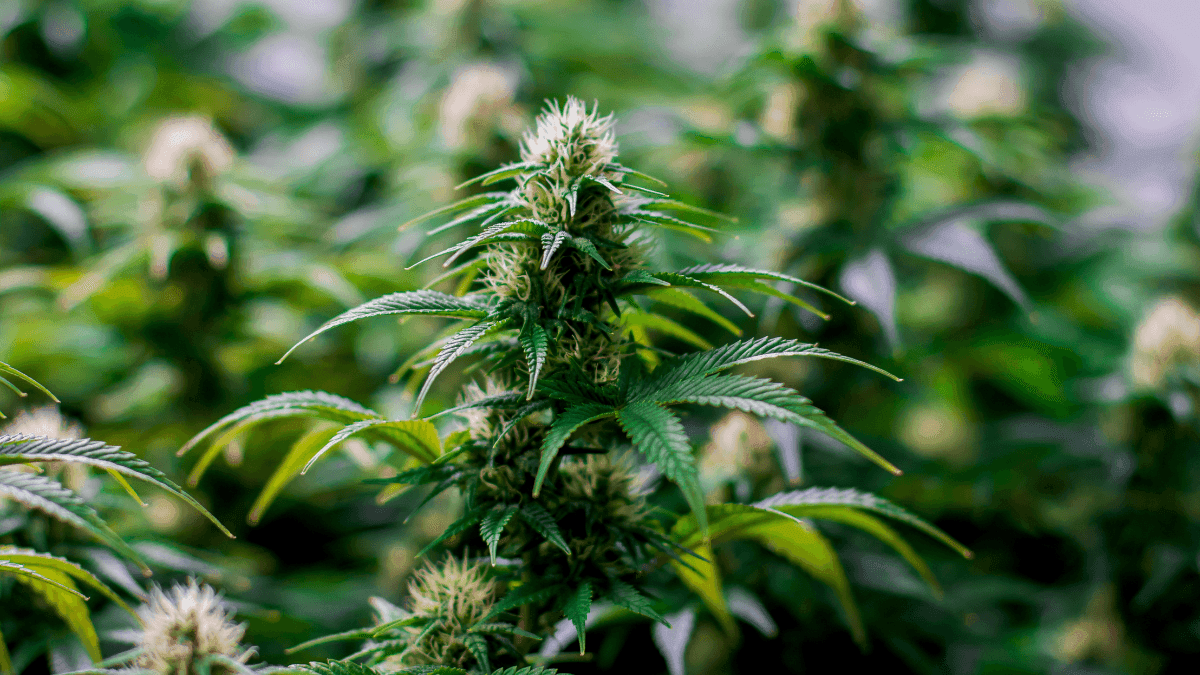
Anvisa registers increase in cannabis permissions in SP and in the country | CanvaPro
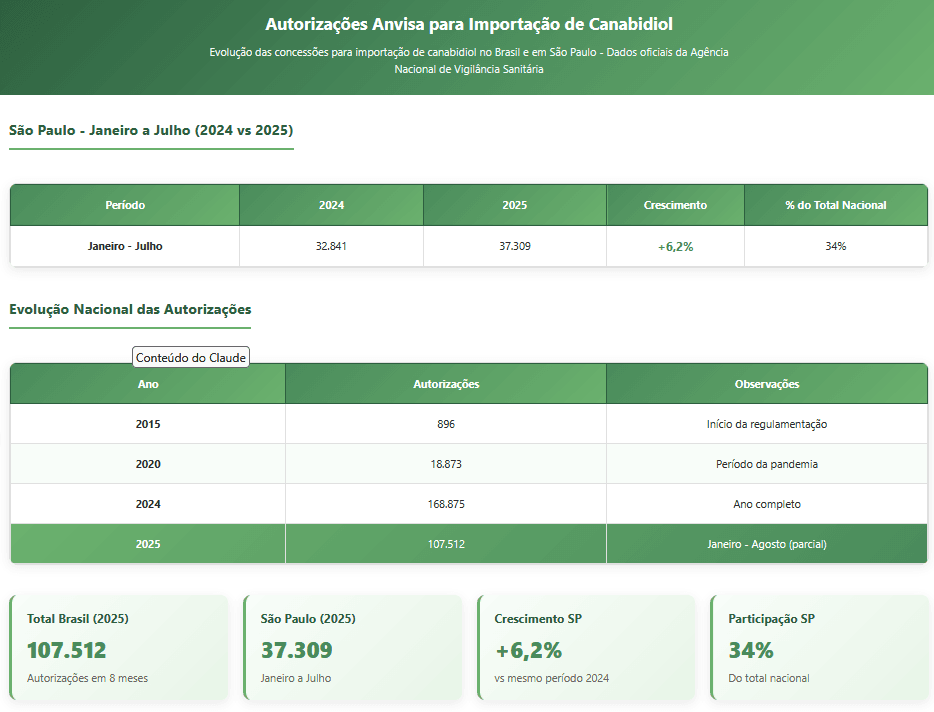
The number of authorizations granted by the National Health Surveillance Agency (Anvisa) for importing cannabidiol in São Paulo grew by 6.2% between January and July 2025, compared to the same period of the previous year. There were 37,309 permissions this year, against 35,141 in 2024. The total corresponds to about 34% of all concessions made in Brazil in the first seven months.
National Data
Anvisa's data shows the evolution of import requests since 2015. Until August 2025, 107,512 authorizations were registered in Brazil, a number that maintains the constant growth trend of the last decade.
In 2015, the year when regulation began, there were only 896 requests throughout the country. The number jumped to 18,873 in 2020, a period marked by the pandemic, and reached 168,875 in 2024.
The partial balance of 2025 already indicates a significant level: only between January and August there were more than 107,000 requests, which represents more than half of the total accumulated in 2024.
The exceptional authorization granted by Anvisa, according to RDC no. 660/2022, is valid for two years for the importation of Cannabis-derived products for personal use and can be renewed upon submission of the required documentation, including an updated medical prescription.
Advancement in São Paulo
The growth in São Paulo occurs in parallel with the expansion of access to cannabidiol by the public authorities. Since May 2024, plant-based medications can be obtained through the state health network. In the capital, the São Paulo City Hall announced in August of this year the distribution of cannabidiol in SUS reference units.
The products will be available in five oral presentations, with and without THC, and the prescription will be made exclusively by public network doctors trained for this type of treatment.
Coverage in the São Paulo SUS
According to the Municipal Health Department (SMS), 31 diseases are initially covered by the program, including epilepsy, chronic pain, neurodegenerative diseases, autism spectrum disorders, fibromyalgia, depression, and some rheumatological pathologies.
To have access, the patient must present a medical prescription, SUS card or CPF, and sign an Informed Consent Form.