Cannabis in the Treatment of Skin Diseases: 3 Science-Backed Benefits
Studies show efficacy of cannabinoids in controlling inflammation, acne, and itching, while Anvisa evaluates expanding regulations for topical products

Published on 09/22/2025
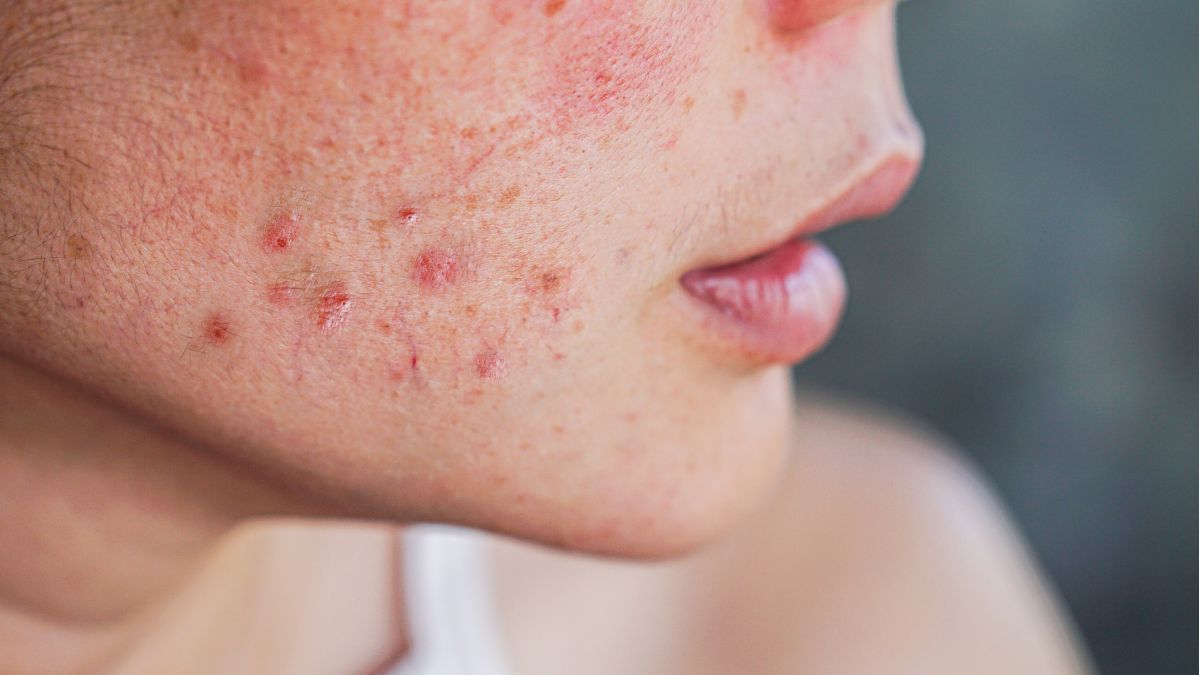
Image: Canva Pro
Medical cannabis has been gaining increasing recognition in the treatment of various health conditions, including dermatological diseases. Recent studies have demonstrated the therapeutic potential of cannabinoids, especially CBD and THC, in skin care. Discover three main benefits of cannabis for the treatment of skin diseases.
Dermatologist and Cannabis in Deusa Cast EP. #32
1. Potent Anti-Inflammatory Action
CBD (cannabidiol) present in cannabis has significant anti-inflammatory properties, being especially beneficial for conditions such as eczema, atopic dermatitis, and psoriasis. Cannabinoids interact with endocannabinoid system receptors present in the skin, modulating the inflammatory response and reducing redness, swelling, and irritation.
Research indicates that the topical use of cannabis-based products can decrease the production of pro-inflammatory cytokines, providing relief for patients who do not respond adequately to conventional treatments.
2. Sebum Production Regulation and Acne Control
Cannabis has shown efficacy in acne treatment by regulating sebaceous glands. CBD acts on sebocytes (sebum-producing cells), normalizing the oily production of the skin without excessively drying it out.
Additionally, the antimicrobial properties of cannabis help combat Propionibacterium acnes bacteria, responsible for the characteristic inflammation of acne. Clinical studies have shown a significant reduction in comedone formation and inflammatory lesions in patients treated with topical cannabis formulations.
3. Itch Relief and Improved Quality of Life
For patients with chronic conditions such as atopic dermatitis and itching, cannabis offers significant relief from discomfort. Cannabinoids activate specific receptors in the skin that modulate the itching sensation, providing lasting comfort.
This benefit is particularly important, as chronic itching drastically affects the quality of life of patients, interfering with sleep and daily activities. The use of topical cannabis products has shown improvement in sleep quality and reduction of stress related to skin symptoms.
Regulatory Scenario in Brazil
In Brazil, Anvisa (National Health Surveillance Agency) has been studying the expansion of RDC 327, which currently regulates cannabis-based products for medicinal use. There are expectations that this regulation will be expanded to include dermatological products, facilitating access to topical cannabis treatments.
Currently, Brazilian patients can already access cannabis topical products through two main legal pathways:
Importation by individuals: With a medical prescription and Anvisa authorization, it is possible to import cannabis-based dermatological products from countries where they are regulated.
Patient associations: Several Brazilian medical cannabis associations provide topical products to their members, following established safety and quality control protocols.
Important Considerations
It is essential to highlight that the use of medical cannabis for skin diseases should always be accompanied by a dermatologist experienced in phytotherapy. Dosage, cannabinoid concentration, and application method vary according to the specific condition and patient profile.
See the list of diseases treatable with cannabis: