“It's not a miracle. It's science, it's patient listening,” says neurosurgeon about CBD in epilepsy treatment
Neurosurgeon explains how cannabidiol acts in the brains of patients with pharmacoresistant epilepsy in a special episode of the Deusa Cast

Published on 09/12/2025
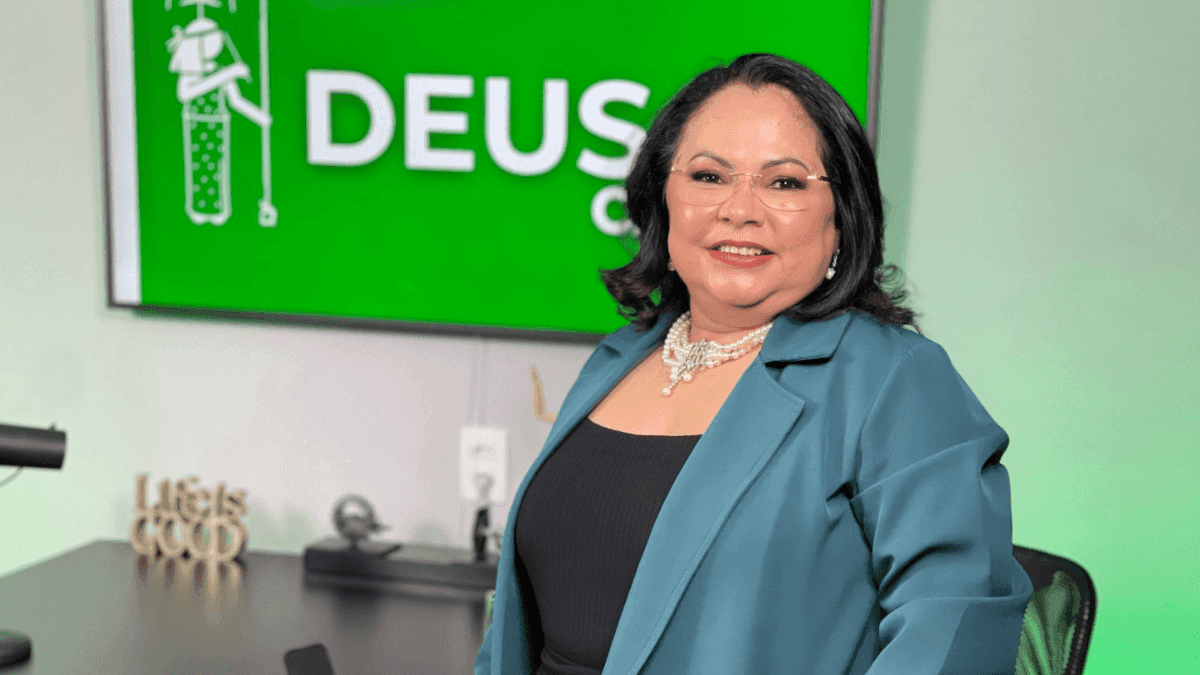
“Before understanding cannabidiol, we need to understand the endocannabinoid system,” highlights neurosurgeon Dr. Alessandra de Moura Lima on Deusa Cast. | Photo: Sechat
In the latest episode of Deusa Cast, the podcast from Portal Sechat, the conversation flowed between science, clinical experience, and hope. The guest this time was the renowned Dr. Alessandra de Moura Lima, a neurosurgeon, neurophysiologist, and one of the most respected voices when it comes to pharmacoresistant epilepsy.
With accessible language and generous listening, the doctor invites us to delve into a clear and revealing explanation: how cannabidiol acts in the brains of patients with epilepsy. The answer is more poetic than it seems because CBD, instead of arriving “opening doors,” arrives regulating what is inside them.
The delicate art of restoring balance
"We have to understand the endocannabinoid system before talking about cannabidiol," the doctor states early in the explanation. According to her, this system is essential to maintain homeostasis, that is, the balance of functions in our bodies. “It is the system that helps regulate sleep, mood, attention, memory, and brain electrical activity. And it is precisely there that epilepsy comes in as a disorder where this balance is disrupted, a disorganization of electrical activity that results in convulsive seizures,” explains the doctor.
Learn More - CBD and epilepsy: when each avoided crisis is a story that continues
An indirect and intelligent modulator
Contrary to what many imagine, cannabidiol does not act directly on cannabinoid receptors (the famous CB1 and CB2). Instead, it acts indirectly, helping the brain to reorganize. “It regulates the release of neurotransmitters, helps decrease excess electrical activity, and thereby reduces seizures,” details Alessandra.
This indirect action makes CBD a sophisticated tool: it does not force, it adjusts. Like a piano tuner, it finds the right pitch for the brain to function in harmony.
Pharmacoresistant epilepsy: when medication is not enough
Dr. Alessandra coordinates the pharmacoresistant epilepsy group at the Hospital do Servidor Público Estadual de São Paulo and knows firsthand the drama of patients who do not respond to traditional medications. For these people, cannabidiol emerges as a safe, effective, and often transformative alternative. "It's not a miracle. It's science, it's study, it's patient listening," she emphasizes firmly.
The episode is available on YouTube and brings not only a technical explanation but an affective and hopeful approach to epilepsy treatment with medical cannabis. It's worth every minute of listening.
Watch a clip from the episode here: