Study Reveals Why Marijuana Strains Have Distinct Smells
Scientists have identified over 50 compounds responsible for the distinct aromas of cannabis, revealing how terpenes and other molecules interact to create unique profiles

Published on 09/23/2025
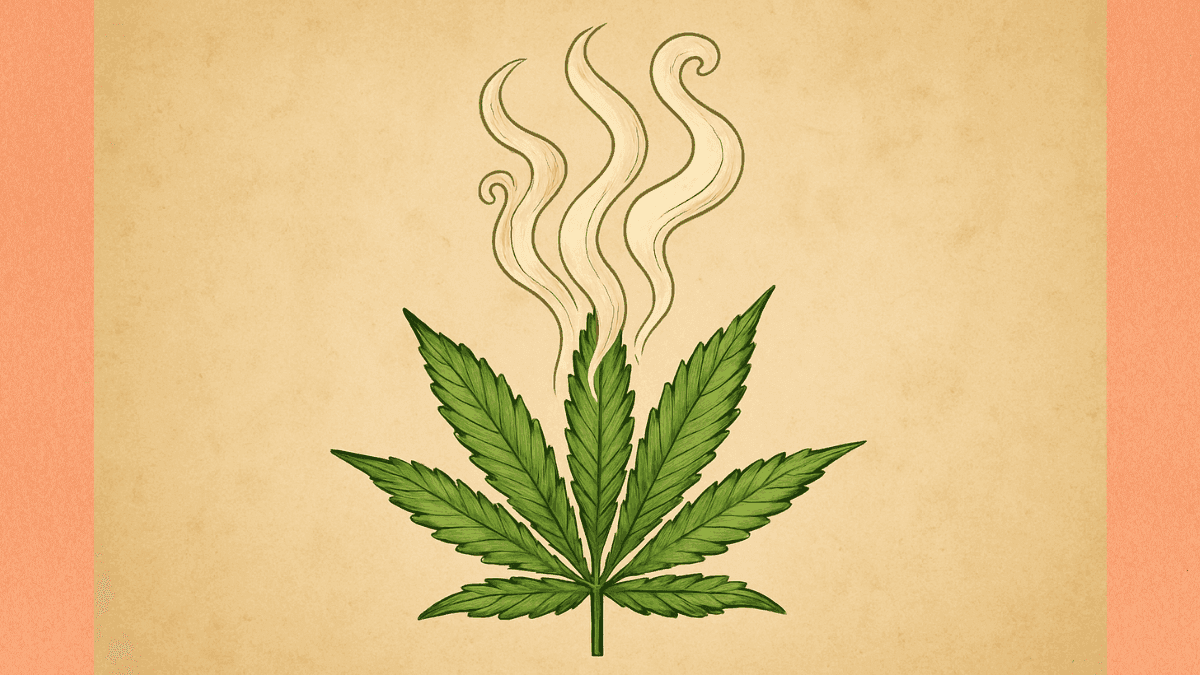
Research shows interaction between terpenes and molecules shaping marijuana odor | Reproduction AI
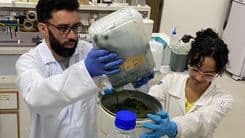
Scientists conducted the first olfactory-guided study to identify the active odor compounds in dried marijuana flowers, using common food science methods such as gas chromatography-olfactometry and aroma extract dilution analysis.
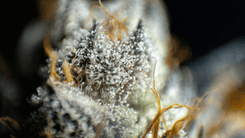
They identified 52 odor compounds, including terpenes, esters, sulfur molecules, phenolic compounds, volatile acids, and furanones, with 38 of these never reported before in dried cannabis flowers, and six not previously detected in cannabis material.
Interactions Shaping Aroma and Practical Implications
While many volatile compounds are present, the study showed that only a small fraction actually contributes to the perceived aroma. Each compound was assigned a 'flavor dilution factor,' reflecting its olfactory potency.
Read Also:
Cannabis Aromas and Olfaction Beyond the Nose
Practical examples: sweat odors were linked to acids such as butanoic, hexanoic, and 2-methylbutanoic; popcorn smell with 2-acetylpyrazine; earthy or bell pepper aroma with 3-isobutyl-2-methoxypyrazine; sweet or oat notes with nonabrainal or α-terpineol.
Furthermore, the work enhances understanding of how drying and curing processes can generate or release certain odorants, paving the way for genetic improvement of strains to target not only THC or CBD content but also desired aromatic profiles.
With information from Marijuana Moment.