The Diagnosis of Autism and the Choice of Cannabis as Treatment
It took 17 years of taking medications for fibromyalgia and depression, without success, until the recognition of ASD.

Published on 01/04/2024
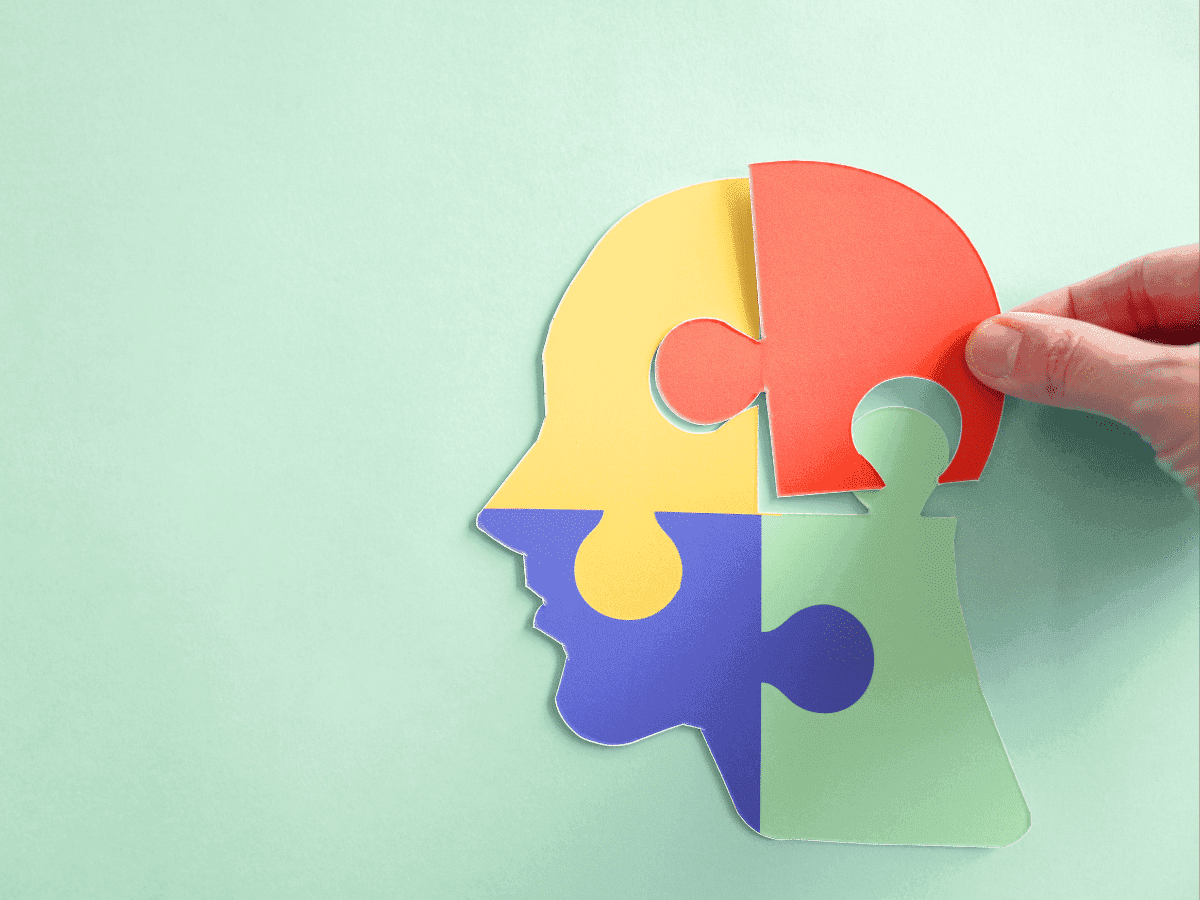

Since the age of 12, Raissa Ottoni Gripp had been treated as a patient with depression and fibromyalgia, but after unsuccessful treatments with medications prescribed by doctors, her family sought answers. In early 2023, she was recognized as having ASD (Autism Spectrum Disorder).
“It was years wasted just searching for answers. Doctors always thought it was depression and fibromyalgia, but no medication worked. In the last five years, she has been treated by a good psychiatrist. Initially, he diagnosed her with Dissociative and Somatoform Disorders. It was in January 2023 that he reached the consensus that Raíssa is indeed autistic,” explains Raíssa's mother, Márcia Cristina Ottoni Lourenço.

Cannabis as the Last Hope
One of the biggest challenges in Raíssa's treatment is that she can rest during sleep, as despite sleeping about 10 hours a day, she does not reach the REM (Rapid Eye Movement) stage of sleep, which is considered the deepest. REM sleep is crucial because it is during this stage that memories are processed and knowledge is consolidated.
Among the most common indications for cannabis use is the treatment of insomnia. CBD (cannabidiol) in combination with another phytocannabinoid, THC (tetrahydrocannabinol), shows good results in treating sleep disorders such as insomnia, sleep apnea, and even nightmares related to post-traumatic stress disorder.
“She wakes up tired, with a fatigue that has become chronic, without energy, has memory lapses, and irritability. For almost 6 years, she has not had REM sleep, so she cannot rest, gains a lot of weight, cannot exercise, and cannot leave the house. Truly, cannabis is our last hope for her to be able to sleep and achieve REM sleep, because without that, no other treatment is effective. But the medication bought at the pharmacy, besides being very expensive, is very weak, and we are now going to start treatment with a combination medication that is more appropriate,” explains Márcia regarding the guidance for her daughter's case.
Autism as a Way of Life
For Raíssa's mother, the late diagnosis of autism is explained by the fact that Raíssa exhibits depressive behavior, precisely because she is neurotypical and cannot fit into what society deems normal.
“Unfortunately, people do not understand the despair of a person who does not fit into anything in this world and therefore is excluded or forced to do things that seem simple but cause a lot of physical and emotional pain, which is why doctors thought it was depression and fibromyalgia. Neurodivergent individuals have different brains, different thoughts, and different ways of acting, but the important thing is that they can reach the same results if they are respected. This is exactly what needs to change, that neurotypicals can be recognized as normal people, with some stereotypes or quirks, but so what? They are capable of being productive and happy,” emphasizes Márcia.
Cannabis is Just a Plant
Raíssa has been using cannabis for three months, but is still in the dosage adjustment phase and the concentration of cannabinoids.
Despite facing some prejudice for her choice of treatment, Raíssa's mother is confident in the fact that cannabis is a plant and remains attentive, both to the product's origin and to the therapeutic follow-up with the professionals who assist her daughter.
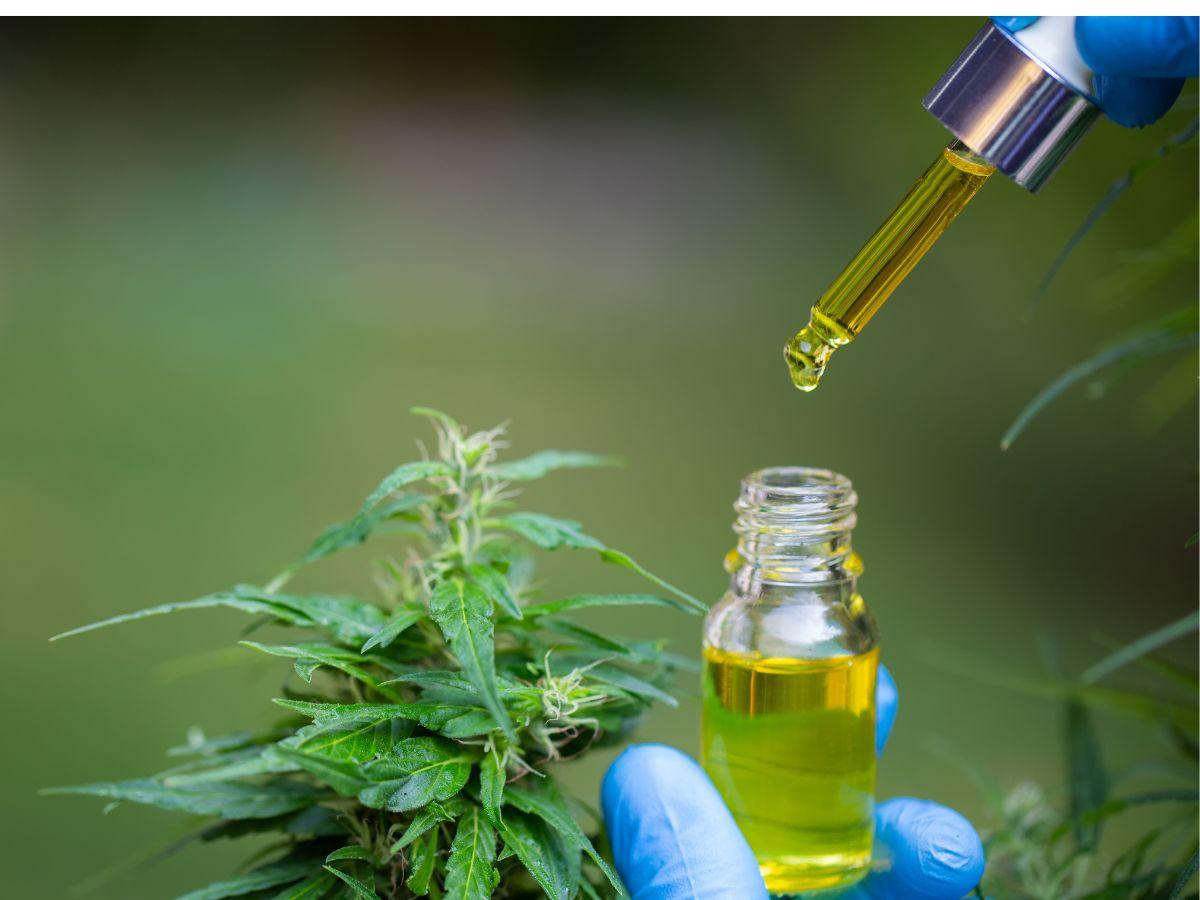
“It is a plant like any other, which depending on how it is handled can be a medicine or a poison. We just have to be careful to know who is handling it, if they have all the records, if they properly care for the flowers, and make a good extract and a good oil. My goal is a better quality of life for my daughter, and soon, my husband and I want to use it too,” reinforces Márcia.