80% of patients without effects from conventional treatments may respond to ketamine, says doctor
Ketamine as an ally in the treatment of resistant depression and suicidal thoughts

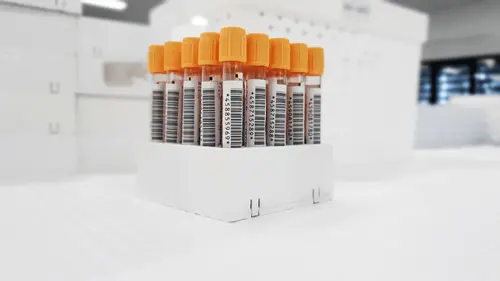
Ketamine, synthesized in 1962 in the United States, is one of the main medications used as an anesthetic or antidepressant. Over time, its rapid action effects and safety have been recognized by the international scientific community.
In 2019, the FDA approved its use for resistant depression, and the World Health Organization (WHO) included it in the List of Essential Medicines.
Studies indicate that 55.4% of patients with resistant depression respond to treatment with ketamine, while electroconvulsive therapy (ECT) has a response rate of 41.2%.
Additionally, about 55% of patients with suicidal ideation report the elimination of these thoughts within 24 hours after a single infusion of ketamine, with effects lasting at least seven days.
Dr. Ricardo Alencar, an anesthesiologist at Mindclinsp clinic, emphasizes the safety and efficacy of the treatment. “It is not an experimental treatment, as the drug has been used since 1970, and studies for depression date back to the 2000s,” he highlights.
Ketamine and its routes of administration
Ketamine is a rapid-acting general anesthetic that also has antidepressant properties. Its use is restricted to hospital and clinical settings, under medical supervision, and can be administered in various forms, each with its characteristics.
Intravenous ketamine is the most commonly used route, being the primary method of application in Ketamine Centers. Meanwhile, oral and intranasal routes are under study, but there is not enough conclusive data for broad recommendations.
Other routes, such as subcutaneous and intramuscular, are also being investigated to better understand the drug's bioavailability.
In intravenous administration, the bioavailability - the percentage of the drug that reaches the bloodstream - is 100%, while the intranasal route can reach 54% (provided there is no swallowing). The sublingual and oral routes have bioavailability of 24% and 17%, respectively.
Administration protocols

In the protocol adopted by the company, the treatment is divided into two phases: attack and maintenance.
Initially, the patient, indicated by the psychiatrist, undergoes six attack infusions – performed twice a week, with intervals of at least one day. During this period, the standard dose is 0.5 mg per kg, administered via infusion pump over approximately 40 to 50 minutes.
“After the attack phase, the patient returns to the psychiatrist to assess the need for maintenance treatment, which may include ketamine-assisted psychotherapy,” explains Dr. Ricardo.
Who can be a patient?
The treatment is especially indicated for patients with resistant depression – those who do not respond to two or more types of conventional antidepressants.
It is estimated that 30% to 40% of patients do not achieve satisfactory responses to traditional treatments, and of those, 70% to 80% may respond to ketamine, especially in reducing suicidal ideation. “We can consider ketamine a first-line drug for the treatment of suicidal ideation,” comments Ricardo.
Patient experience
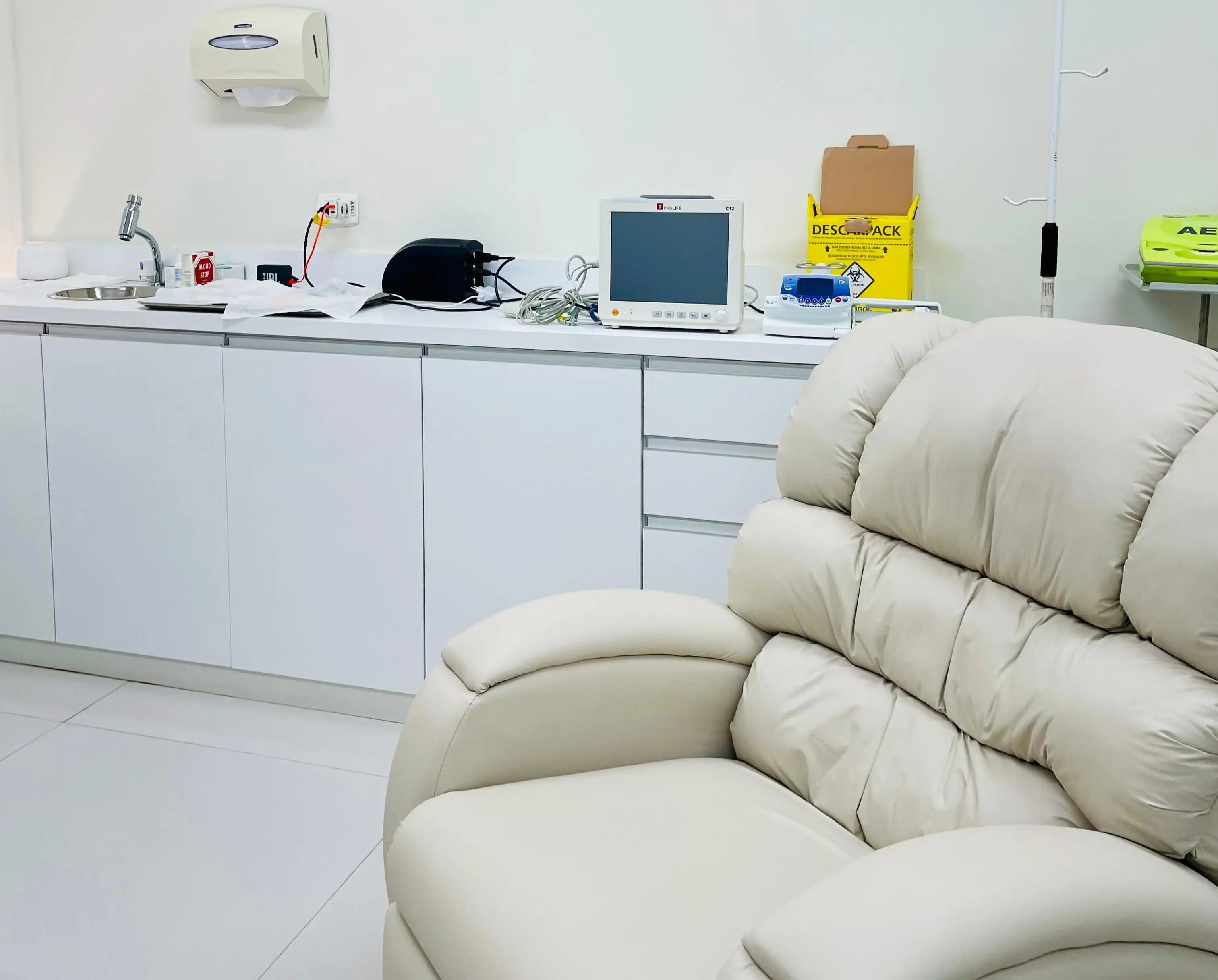
In addition to the medication's efficacy, it is important to invest in a welcoming and safe environment for the infusions. A climate-controlled room, with appropriate lighting and ambient music, is essential for the dissociative experience, ensuring well-being during the session.
“Compared to electroconvulsive therapy – which, although effective, can cause temporary memory and neurocognitive function impairments – ketamine offers a less invasive alternative with a lower risk of side effects,” he explains.
Dr. Ricardo also emphasizes that ketamine should never be used as monotherapy. “It must always be combined with a conventional antidepressant, even though in some exclusive cases this may not be possible.”
Medical application
The specialist emphasizes that the administration of ketamine should be performed by trained professionals capable of managing sedation. “The specialty that most closely aligns with this profile is anesthesia,” he states.
This expertise allows for precise adjustment of the dose and infusion time, ensuring greater safety and control over the medication's dissociative effects.
Regarding medical perception, the specialist believes that the initial challenges have already been overcome. “Resistance to treatment with ketamine has been overcome. Today it is part of clinical protocols in managing resistant depression, and it is essential for psychiatrists to stay updated to recommend this treatment that has literally saved lives,” he concludes.