ADHD and cannabis: what studies reveal in the UK
Between searching for focus and escaping side effects, understand how the plant emerges as an alternative in ADHD and cannabis treatment.

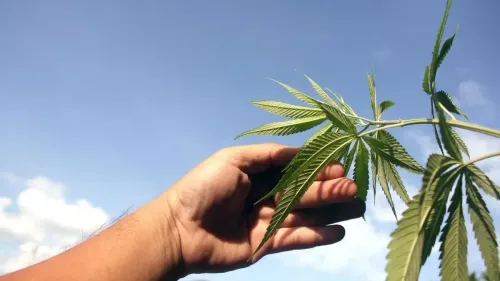
ADHD and cannabis - You know that feeling when your mind is like a train station during rush hour, where dozens of thoughts trample over peace and quiet and attention seems to slip through the windows?
Those who live with ADHD know well the weight of this restless machinery and the tireless search for a safe harbor.
In the midst of this whirlwind, long waiting lists, or side effects from traditional medications, medical cannabis emerges not as a magic promise, but as a breath of hope and a nod of calm in everyday life.
In this article, you will see:
The growing search for alternative treatments for ADHD
How stimulants and cannabis work in the brain
What science and clinical trials actually prove
Key differences between stimulants and medical cannabis
Guidance on safety, costs, and access
The current scenario and the search for alternatives in ADHD and cannabis treatment
The search for diagnoses and treatments for ADHD has grown significantly in recent years worldwide.
According to data from NHS England cited by Cannabis Health News, thousands of people are waiting for a specialist assessment.
This high demand ended up creating deep bottlenecks in public and private healthcare systems.
Faced with long waiting lists and reports of intolerance to conventional medications, many patients began seeking alternative paths to deal with ADHD and cannabis.
LEARN MORE: Understand how cannabinoids interact with the human endocannabinoid system
ADHD and cannabis: how stimulants and cannabis work in the brain
First-line medications, such as methylphenidate and lisdexamfetamine, have decades of consolidated research in treating ADHD and cannabis.
They increase dopamine and norepinephrine availability in the brain, improving focus and impulse control in up to 90% of cases.
Despite high efficacy, a significant portion of patients experience notable side effects, such as:
Severe loss of appetite and insomnia
Increased heart rate
Irritability and rebound anxiety
On the other hand, how cannabis manages ADHD flare-ups still divides the scientific community.
Instead of focusing solely on dopamine, plant compounds work by regulating the endocannabinoid system, directly linked to mood, sleep, and relaxation.
What science actually shows about cannabis in ADHD
Despite positive patient reports, scientific literature specifically focused on ADHD and cannabis remains limited.
The clinical trial EMA-C, conducted in 2017 with a 1:1 ratio of THC and CBD, reported promising progress in reducing hyperactivity and impulsivity.
Later, an analysis of the UK Medical Cannabis Registry, published in Neuropsychopharmacology Reports, followed 68 patients.
The study observed direct gains in symptoms associated with ADHD:
Significant improvement in sleep quality
Reduction in daily anxiety levels
Noticeable gain in overall quality of life
However, organizations such as the Canadian ADHD Resource Alliance (CADDRA) point out that these data measure general well-being rather than a direct cure for primary inattention.
"To date, cannabis should not be viewed as a direct and immediate replacement for stimulants in ADHD without a thorough medical evaluation, but rather as a complementary therapy," highlights Cannabis Health News.
Comparison: Traditional stimulants vs. Medical cannabis
To facilitate decision-making between patient and doctor, it is worth comparing the two approaches:
1. Evidence base and efficacy
Stimulants: Decades of clinical trials focused on attention and impulse control.
Medical Cannabis: Evolving evidence focused on stress relief and sleep regulation.
2. Access and regulation
Stimulants: Controlled substances, widely available in the healthcare network under controlled prescriptions.
Medical Cannabis: Individualized treatment requiring a specialized medical prescription and constant monitoring.
Care and safety in medical follow-up
Experts warn that no one should stop ADHD medication on their own.
Neurodivergent individuals have greater sensitivity to medication changes and need continuous support.
Therefore, any transition to cannabis oils must be strictly monitored by a qualified prescribing physician.
Only a professional will know how to adjust safe dosages and choose formulations rich in cannabinoids such as CBD or CBG for managing ADHD.
BIBLIOGRAPHIC REFERENCES CONSULTED
STEVENS, Ben. Medical Cannabis for ADHD in the UK: How It Compares With Stimulants. Cannabis Health News, Aug. 05, 2026.
COOPER, R. E. et al. Cannabinoids in attention-deficit/hyperactivity disorder: a randomised-controlled trial. European Neuropsychopharmacology, 2017.
ITTIPHAKORN, P. et al. UK Medical Cannabis Registry: an analysis of clinical outcomes of medicinal cannabis therapy for attention-deficit/hyperactivity disorder. Neuropsychopharmacology Reports, 2023.
CADDRA (Canadian ADHD Resource Alliance). Position Statement on Cannabis and ADHD, 2024.
NHS ENGLAND. Report of the independent ADHD Taskforce: Part 2, 2025.