After 7 years of trials, Denmark definitively legalizes medicinal cannabis
Denmark has officially approved a law that makes its medicinal cannabis pilot program permanent, integrating it into the national healthcare system. The measure was celebrated as a 'victory for patients'

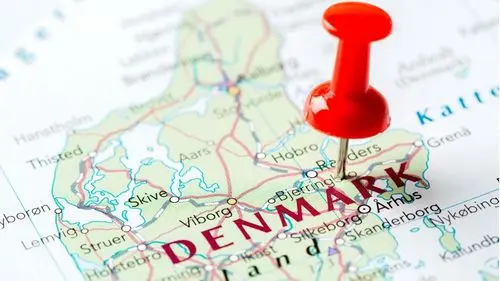
Introduced for the first time in November 2024, the Medicinal Cannabis Bill (L135) underwent an extensive public consultation process. Danish operators joined forces to demand changes to a reimbursement system described as 'absurd', as well as other significant hurdles for national companies.
Despite the consultation, almost nothing changed. The program will be launched in its permanent version with the same imbalances that have been criticized for years. The official launch is scheduled for January 1, 2026.
Although the Ministry of the Interior and Health, together with the Danish Medicines Agency (Lægemiddelstyrelsen), have broad authority to implement adjustments, companies in the sector are still awaiting concrete improvements before the new model takes effect.
Structural imbalances persist
The Danish pilot program has been in effect since 2018 and has served around 1,800 patients in the last three years, totaling approximately 20,000 reimbursed prescriptions.
In November 2024, Minister Sophie Løhde surprised by announcing that the program would become permanent. Stakeholders were invited to propose improvements based on their experiences during the pilot.
However, according to Thomas Skovlund Schnegelsberg, CEO of Stenocare — a Danish company producing medicinal cannabis oil — 'basically, the wording and scope of the pilot program were copied and pasted into the new law. Politicians did not take the opportunity to make substantial changes'.
He adds that the government's mentality seems to have been: 'If it's not broken, why fix it?' — even though, for companies, the system clearly needs adjustments.
During the transition, Stenocare faced difficulties: it cut its sales forecast twice in three months and recorded a 53% drop in gross revenues in the third quarter of 2024. At the time, Schnegelsberg blamed the reimbursement imbalance, which led patients to migrate to a pharmacy with a government reimbursement rate of 85%.
This pharmacy, one of the two authorized to produce magistral preparations in Denmark, is currently the only one selling medicinal cannabis — and, according to industry sources, would have made hundreds of millions of Danish kroner in profit. 'In the end, reimbursements are high and prices can be up to four times higher than those of the pilot program', explained one of the interviewees.
Legal framework of medicinal cannabis in Denmark
Today, the country has four distinct modalities for prescribing medicinal cannabis:
- Pharmaceutical products: approved based on robust clinical trials, such as Sativex and Epidyolex.
- Pilot program: products approved exclusively under the pilot, such as Stenocare oils.
- Unauthorized products: available through special permissions, such as Nabilone and Marinol.
- Magistral preparations: tailor-made by pharmacies to meet specific patient needs.
According to data provided by DanCann, by 2022, THC-based magistral products received 85% coverage from regional subsidies, while pilot program products had only 37% reimbursement. In total, between 2018 and 2022, magistral products received over 93 million kroner in public subsidies — more than five times the 17 million allocated to pilot program products.
Furthermore, these magistral preparations, although much more expensive (up to seven times), are subject to fewer regulations. While companies in the pilot program spend millions and take years to register a product, a pharmacy can bring a new formula to market in just one week.
Market impact
Schnegelsberg highlights that the impact is disproportionate:
'In the last three to four years, the total medicinal cannabis market in Denmark has moved around 60 million kroner per year. Of this amount, a single pharmacy absorbs almost half — the rest is divided among all other companies'.
He also criticizes the fact that magistral products compete directly with those of the pilot program, which would be illegal according to the Danish Medicines Agency itself. The legislation states that pharmacies can only produce magistral medicines to meet specific therapeutic needs that cannot be met by already marketed products.
What to expect in the future?
Despite all the challenges, there is a glimmer of hope. The final version of L135 does not change fundamental program rules, such as allowing only one approval request at a time — something that severely limits market diversification.
Other points of criticism include the lack of patient guidance on cannabis use and driving, the absence of specific medical training, and gaps in clinical guidance.
According to Rasmussen, 'it seems that the goal in this first phase was to ensure that the current model was maintained — mainly to avoid interrupting patient treatment when the pilot program expires at the end of 2025.'
Schnegelsberg concludes that the new law gives the Ministry of Health 'full powers' to make adjustments, establish guidelines, and set new requirements. Departments of the ministry and the regulatory agency are already tasked with reviewing these issues by the official launch of the new system.
Content originally published on NewsWeed