Anvisa alerts to risks of “slimming pens” and debate on therapeutic alternatives grows
Anvisa warns of risk of pancreatitis and reinforces that slimming pens require prescription and medical monitoring.

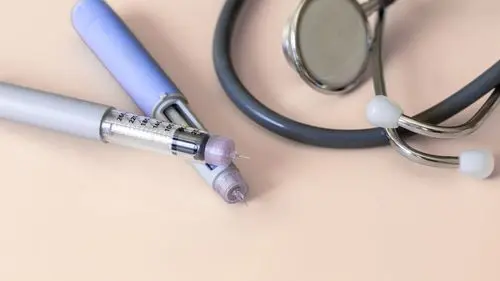
The National Health Surveillance Agency (Anvisa) issued a new alert about the use of medications known as “slimming pens”. The guidance is clear: these medicines should be used exclusively as directed in the package insert, with a prescription and medical monitoring.
According to the agency, there is a risk of serious adverse events, such as acute pancreatitis, a condition that can progress to necrosis and even lead to death. Between 2020 and last year, 145 reports of suspected adverse events related to the active ingredients of these medications and different types of pancreatitis were recorded. Six cases resulted in death. Taking into account notifications collected in clinical research, the total number reaches 225 records.
Anvisa emphasizes that the reports are suspicions and not yet proven. Nevertheless, the data show a progressive increase: from 28 cases in 2024 to 45 in the partial result of last year.
The scenario is global. The UK Medicines Regulator reported that, between 2007 and October 2025, it received nearly 1,300 reports of pancreatitis associated with similar medications, including 19 deaths.
In addition to pancreatitis, Anvisa had already warned in 2024 that the use of these medications associated with deep sedation or anesthesia can increase the risk of pneumonia. It was also reported that semaglutide, one of these injectables, can cause irreversible vision loss in some cases.
Since June, a resolution has been in effect that requires the sale of these medications only with a medical prescription.
Indiscriminate use and clinical risks
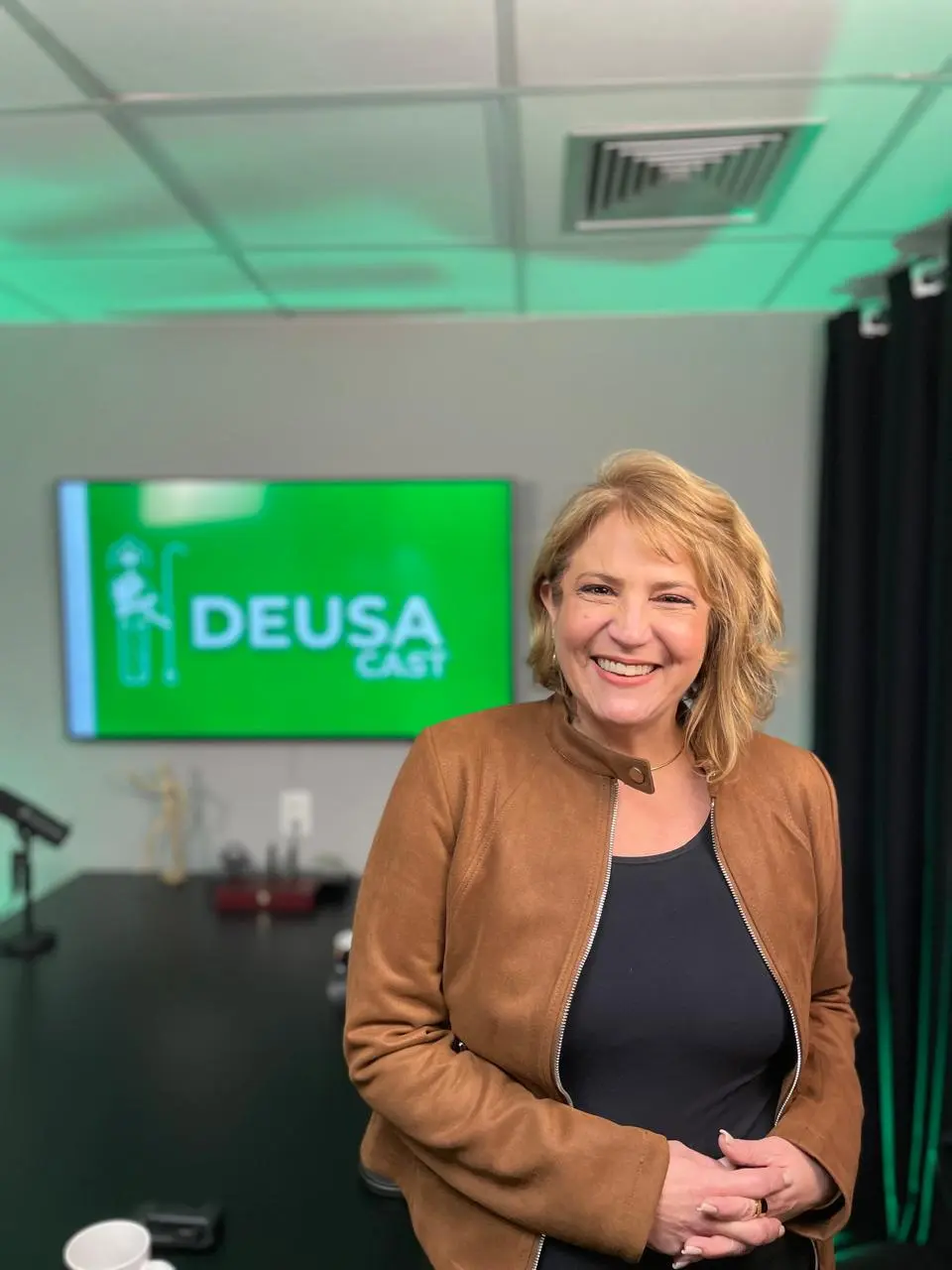
For Dr. Paula Vinha, from Personalized Integrative Medicine, the main problem is not only the substance itself, but how it is being used.
She explains that these medications act directly on intestinal and pancreatic hormones, interfering with appetite mechanisms, gastric emptying, and metabolism. Therefore, they require individualized clinical evaluation, regular exams, and continuous monitoring.
According to the specialist, when there is proper prescription, structured medical monitoring, and use of a product with recognized origin and analysis certificate, the risk tends to be controlled within the expected range for any pharmacological therapy. The increase in reports, in her view, is mainly associated with indiscriminate use, lack of monitoring, and, in some cases, with products of dubious origin.
THC-V as a modulating approach
Within integrative medicine, Paula Vinha points to THC-V, a herbal derivative of cannabis, as a therapeutic alternative for patients seeking metabolic control with personalized monitoring.
According to the doctor, THC-V can act on mechanisms related to appetite and metabolism, with a more discreet effect compared to injectable pens. In clinical practice, it can be used both in tapering off these medications and as an initial strategy for patients who choose not to use them.
She emphasizes that the approach is not standardized: doses are adjusted according to metabolic, emotional profile, and individual response pattern. Frequently, THC-V is associated with CBD, especially to modulate anxiety and promote treatment adherence.
The doctor reinforces that, as with injectable pens, the use of THC-V also requires professional monitoring. “Whenever any substance is used indiscriminately, without guidance, and with products of dubious origin, complications can arise. This applies to all medicine,” she points out.
Safety and individualization at the center of the debate
The increase in reports and regulatory alerts highlight a central issue: pharmacological weight loss is not without risks and requires technical supervision.
More than just discussing efficacy, the debate now involves safety, product traceability, and responsibility in prescription. In this context, modulating approaches, such as the use of herbal medicines within individualized protocols, gain space as part of a personalized therapeutic strategy — always under medical supervision.
For Dr. Paula Vinha, the guidance is clear: any weight loss strategy must be conducted with clinical responsibility, individual evaluation, and continuous monitoring. Whether with injectable medications or with herbal products like THC-V, the therapeutic decision should be personalized, based on technical criteria, and accompanied by a qualified professional, avoiding indiscriminate use and the risks associated with self-medication.