Between Justice and Imprisonment: When Treatment with Cannabis Becomes a Crime
Patients who rely on medicinal cannabis face legal battles and, in many cases, imprisonment. Understand the challenges of access, the legal impacts, and the stories of those fighting for the right to treatment in Brazil.

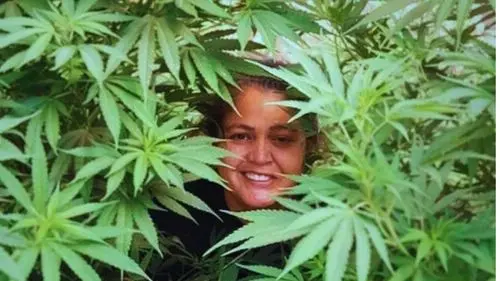
The discussion about medicinal cannabis in Brazil has gained significant traction in recent years, especially due to the increasing demand from patients for therapeutic alternatives and the slow pace of government regulations.
Read also:
Gilmar Mendes rejects appeals regarding the decriminalization of marijuana possession
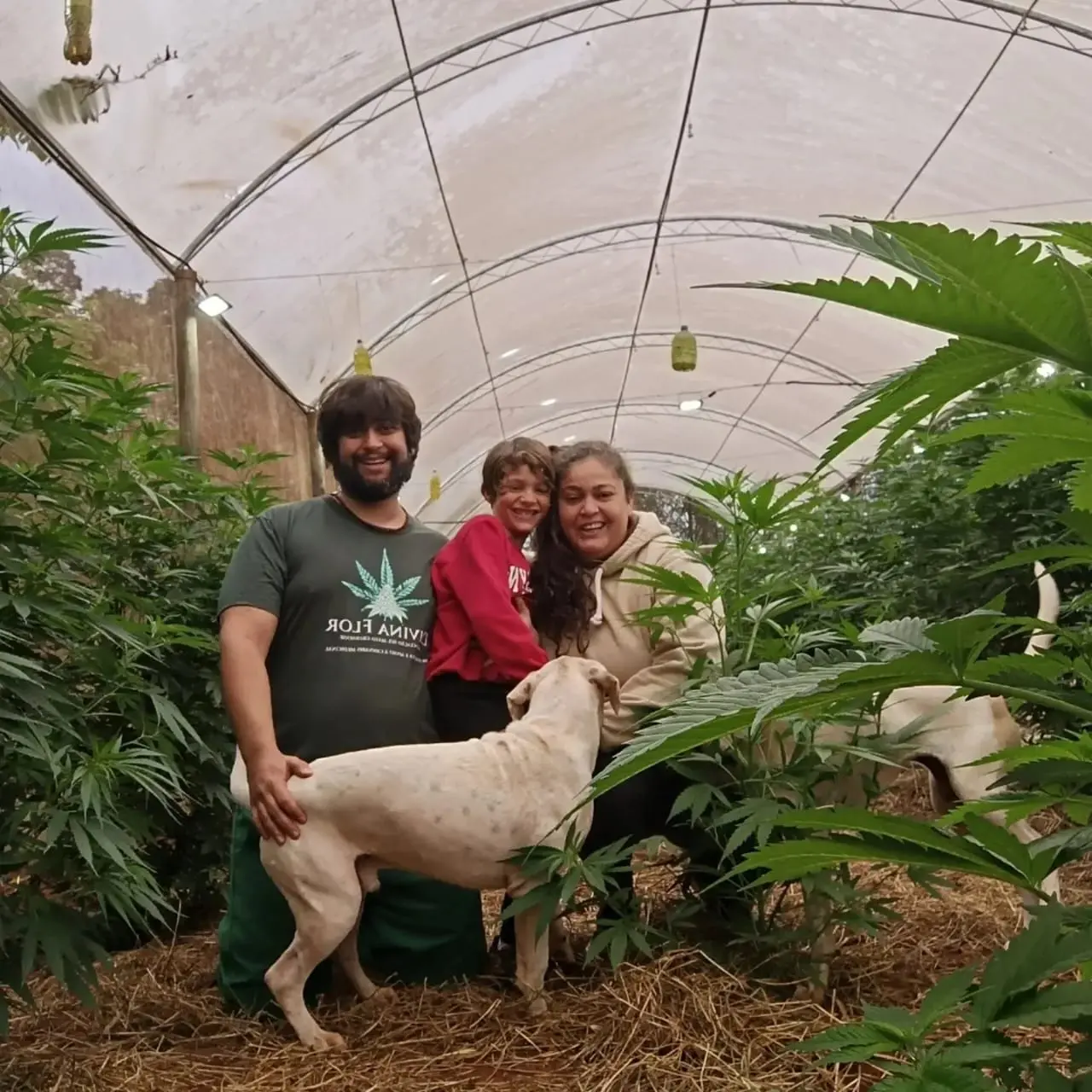
This scenario has led many families to turn to the courts for authorization to cultivate and use medicinal cannabis. In this context, we bring you the story of Jéssica Camargo, founder of the Divina Flor Medicinal Cannabis Association, which illustrates the challenges faced by patients and activists in this fight for safe access to treatment.
A strong emotional upheaval caused by the loss of her beloved father was one of the main reasons Jéssica, now 36, developed Bell's Palsy at 19. She was at work when she felt her face suddenly contort. They considered it to be a thermal shock, but over time, it did not normalize. “I went through doctors, had tests, took allopathic medications, and did physiotherapy, but nothing helped… only after using cannabis oil did I start to notice significant improvements in my face,” she reports.
The path to cannabidiol was not instantaneous. Jéssica had to be strong to get through that difficult phase and began using smoked cannabis to treat the depression she developed, which provided her with palliative relief for an “improvement” - if that is even possible! “Marijuana was an ally for me; it helped me see life from another angle and face all the problems I was going through at that moment, in addition to boosting my self-esteem, since my face was no longer the same,” she shares.
From Pathology to Medicinal Alternative
Bell's Palsy (or Bell's paralysis) is a neurological condition characterized by sudden paralysis or weakness of the muscles on one side of the face. It occurs due to inflammation or compression of the facial nerve (cranial nerve VII), which is responsible for controlling the facial muscles. This inflammation hinders the transmission of nerve signals, resulting in difficulty or inability to move the facial muscles. “I couldn’t blink or bite,” she recalls.
But what does this story have to do with the legal battles in Brazil? A lot! Ten years later, during a trip to São Paulo, Jéssica attended a meeting at Cultive - Cannabis and Health Association, where she collected accounts from many people who were surviving thanks to medicinal cannabis. “Hearing those atypical mothers moved me deeply and ignited a flame in me to delve deeper into cannabis studies, especially the use of oil as medicine. When I saw that it could offer relief and quality of life to people, I didn’t stop and wanted to dive headfirst into this story,” she pointed out.
The Imprisonment
The exchange with other patients motivated Jéssica to create a study group on medicinal cannabis. At the time, she took some courses on cannabis extract production and, living in Mato Grosso do Sul, had access to some plants in Paraguay, a neighboring country to Brazil. “During those trips back and forth to Paraguay, I ended up being arrested between Ponta Porã/MS and Campo Grande/MS, in mid-February 2019. It was a shock for me and all my friends who were involved in this endeavor.”
Jéssica's imprisonment impacted everyone who knew her. She was already a mother to little João Miguel, who was two years old at the time. During our conversation, she stated that if she hadn’t gone through that apprehension, she might not have reached where she is now, that is, at the founding of the Divina Flor Medicinal Cannabis Association, the first in the state of MS that today serves over 3,000 patients across the country.
“The episode of my arrest was just the first step of what was to come. It was there, in that 3x3 cell with 18 girls, that I found the strength I needed to continue, as I went through numerous humiliations, including from the police from the moment of the approach until being detained in that dirty police station and then going to prison,” she said.
For a week, she was in a maximum-security prison. During that time, she heard stories from other women and also empowered herself. “It was a week that my family and I will carry for the rest of our lives, but it completely changed what my study group was doing. When I left prison, I returned much stronger and determined to help those in need; that episode could not have been in vain,” she believes.
The Cry for Freedom
Jéssica's struggle reflects a larger phenomenon: the judicialization of medicinal cannabis in Brazil. As regulation remains limited and unequal, many families are forced to seek judicial authorization to cultivate the plant or import derivative products.
Only in 2023, in a unanimous decision, two judges and a magistrate from the 5th panel of the Federal Regional Court of the 3rd Region granted Jéssica's injunction, giving her the right to plant cannabis for medicinal use. “We have close examples, Fernanda and Márcio (Maria Flor Cannabis Association), Marco Carboni from CuraPRO, even Paulinho Coelho (Cannabis Without Borders Movement) went through this situation of being arrested and having to fight and prove that imprisonment is not the end; it is just the beginning; so I think this unity only strengthened the view on the judicialization of medicinal cannabis in Brazil,” she explains.

According to criminal lawyer Marcela Sanches, a member of the Reform Network, the number of habeas corpus granted for the cultivation of cannabis for therapeutic purposes has grown exponentially, exceeding 6,000 cases per year. “This judicialization has been essential to ensure patient treatment and to remove the risk of imprisonment or seizure of plants, but it also exposes structural inequalities in access to health,” argues the criminal lawyer.
According to Marcela, many patients arrive traumatized after facing all kinds of embarrassment, including arrest for trafficking. Generally, patients have already exhausted all available therapeutic options in the market when they decide to use cannabis-based products.
“I hear accounts from patients who had to change doctors and lawyers to be able to carry out and demand treatment. But in my opinion, the most critical cases are those of patients who have already been arrested for cultivating cannabis to treat their own health,” she comments.
Undoubtedly, the main obstacle to the regulation of medicinal cannabis still lies in the historical prejudice against the plant. As Jéssica pointed out during our interview, cannabis is still viewed differently depending on the socioeconomic profile of the user.
"Today, marijuana is legal for white and wealthy people, but for poor people in the favelas, it is still a crime. This inequality is also reflected in accessibility to treatment, as only those with financial resources and legal knowledge can resort to the courts to guarantee the right to medicinal use,” Jéssica points out.
Between Bureaucracy and the Right to Health
Until 2015, the therapeutic use of cannabis and its substances was completely prohibited, despite international conventions on substance control already providing for the possibility of medicinal use for pain and suffering relief.
“Regulation only advanced due to strong social mobilization and a significant increase in legal actions seeking to guarantee access to cannabis-based products. Today, it is possible to acquire them through importation or directly from pharmacies and drugstores, as provided for in RDC 660/2022 and RDC 327/2019. However, there is still a significant gap in the legislation, as domestic and associative cultivation remains unregulated, making access difficult and exposing many patients to unnecessary risks,” explained the lawyer.
Habeas Corpus
Regarding habeas corpus, a document that guarantees rights to citizens, Marcela emphasizes that the patient should gather as many medical documents as possible to demonstrate their health condition and include the improvement they achieved with the use of medicinal cannabis oil, along with the need to maintain treatment.
“With the documentation in hand, the patient can seek a lawyer experienced in habeas corpus for the cultivation of cannabis for therapeutic purposes, as well as in criminal defenses should any incident occur during the process,” informs Marcela.
The habeas corpus was undoubtedly Jéssica's cry for freedom and, according to her, the turning point she needed to sustain and give life to the association, helping others. “I need the medicine every day, and having a document guaranteeing me is very liberating; it is freedom of movement, it is freedom of justice too, because I am not a trafficker and having a judge understand that I can plant and produce my own medicine is indeed a feeling of freedom of justice… So, our fight continues so that all people can have the freedom to access treatment and have quality of life,” Jéssica advocates.
Other Obstacles
Another challenge faced is the lack of clear regulation for the cultivation and distribution of cannabis-derived products. Despite some victories, such as Jéssica's injunction to cultivate cannabis to produce her own medicine, the Divina Flor Association still faces legal barriers to operate fully. Currently, the entity uses the model of "producer associates," allowing individual members to cultivate and share oil with other patients, circumventing legal restrictions.
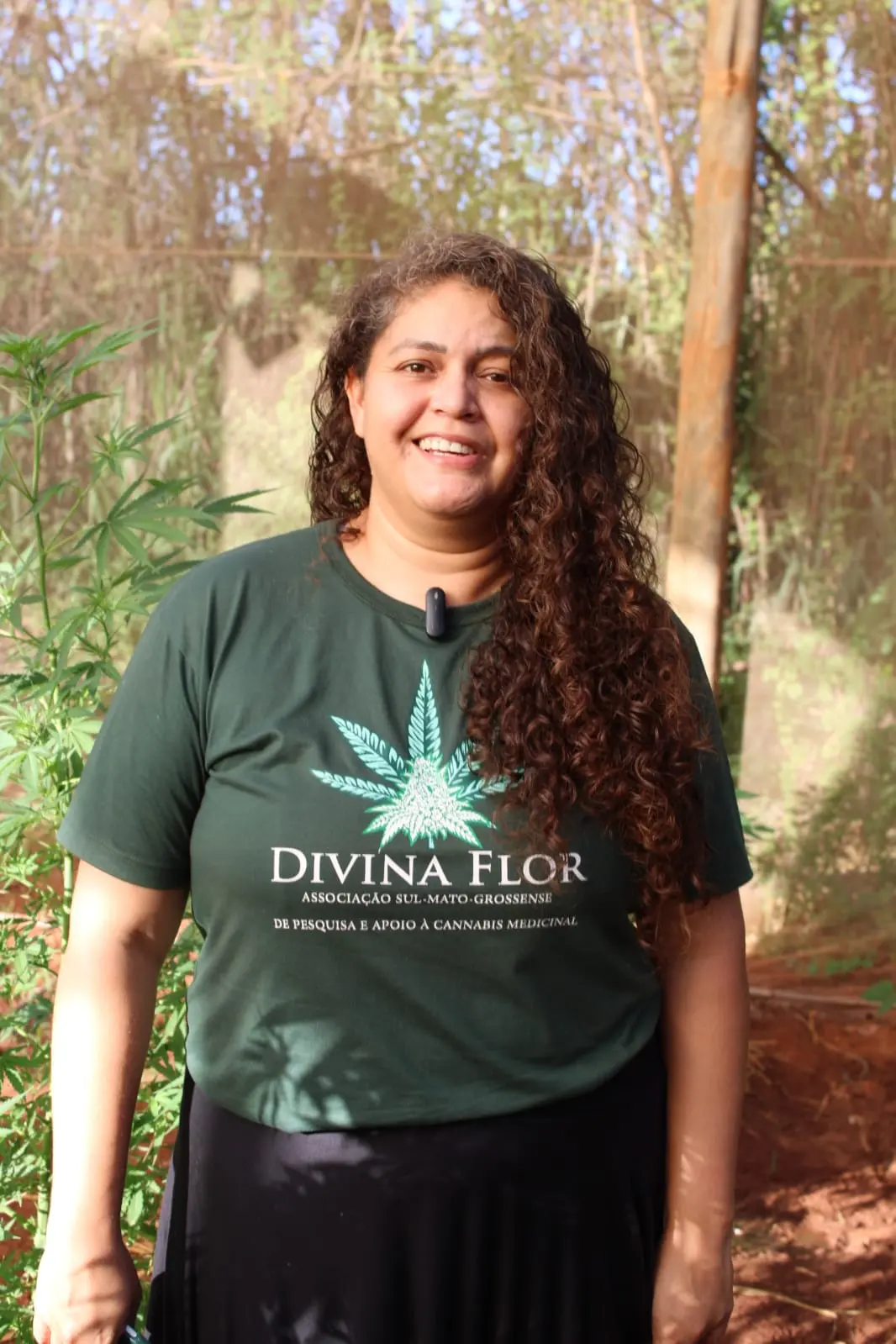
To ensure that patients do not need to resort to the courts to access treatment, Jéssica advocates for regulation that encompasses all realities: "I believe that anyone who wants and has the means can plant a certain number of plants at home to produce their medicine".
If this is not possible, the regulation of associations, for example, could be an intermediate solution, ensuring that organized groups can continue to distribute cannabis oil safely and legally.
Another fundamental aspect to advance regulation is the creation of public policies that integrate medicinal cannabis into the Unified Health System (SUS). “Although the state of São Paulo already distributes cannabis oil for some diseases, this access is still very limited and does not cover all conditions for which the plant can be beneficial,” Jéssica assesses.
The Fight Continues…
The fight for the legalization of medicinal cannabis in Brazil still faces significant challenges, but progress is being made thanks to the mobilization of patients, associations, and legal professionals.
Stories like Jéssica's demonstrate the importance of resistance and collective organization to ensure that all Brazilians have access to dignified and effective treatment.
Judicialization has been a necessary path, but comprehensive and fair regulation is essential to ensure rights and eliminate inequalities in access to medicinal cannabis.