Between Myths and Truths, THC Needs Less Judgment and More Attention
Despite the stigma, THC can be a powerful ally in therapy when used with guidance and responsibility. In this interview, pharmacist Géssica Miranda demystifies the risks and shows how the right care transforms cannabis treatment into dignity and quality of life.


For decades, THC (tetrahydrocannabinol), the main psychoactive compound in cannabis, has been painted as the great villain of a story. But, in the subtext of this narrative, what has been lost is the therapeutic potential of a substance that, when well managed, can restore dignity, sleep, calm, and even appetite to those who need it most.
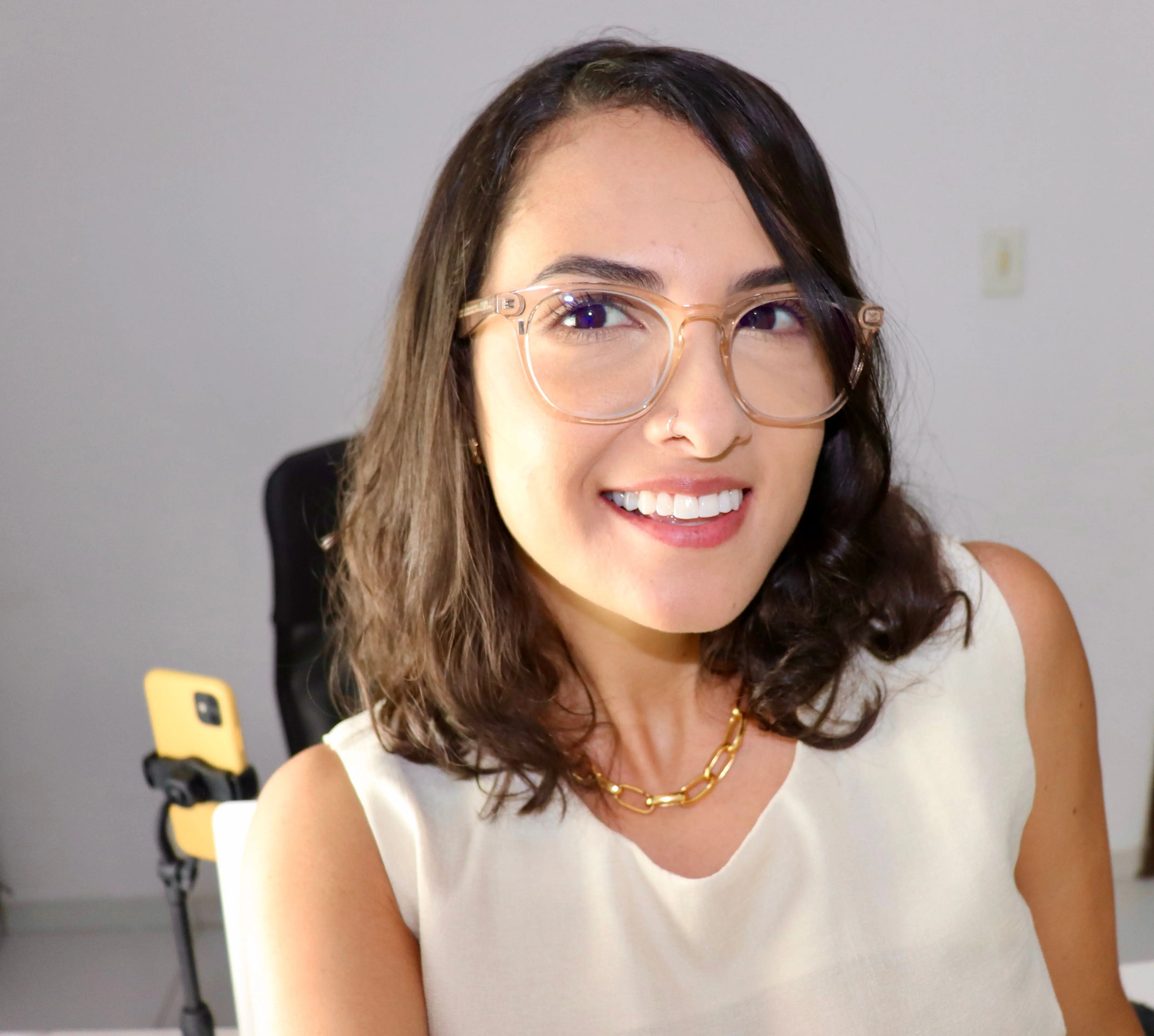
To understand what is myth and what is truth about the use of THC, we spoke with Géssica Miranda, a pharmacist specialized in cannabinoid pharmacotherapy, who works with patients undergoing treatment with medicinal cannabis. With empathy and knowledge, she helps translate science into care and care into transformation.
Myth or Truth: Does all THC use lead to dependence?
“Myth,” responds the pharmacist without hesitation. “The risk of THC dependence does exist, but it is low, especially when compared to substances like alcohol, tobacco, or opioids,” says the pharmacist.
For her, the real danger lies in abusive use, without guidance, without dose titration, and without listening to the body.
Exposure to THC in therapeutic environments and under clinical supervision is not synonymous with dependence, much less with a "high." “There are patients who use it daily, with relief from pain, improved sleep and anxiety, and without any unwanted mental changes,” she points out.
Myth or Truth: THC is dangerous and should be avoided?
“It is a partial myth,” explains Géssica. “The problem is not with the molecule, but with how it is used.” Just like morphine, which is potent and has the potential to cause dependence, THC also requires responsible use but should not be dismissed.
It plays a recognized role in pain control, nausea relief, appetite stimulation, and relaxation of patients with various chronic conditions. “Avoiding THC is closing your eyes to a powerful tool. And tools, as we know, only work well in the right hands,” she explains.

Myth or Truth: Every THC prescription is safe?
False. Prescribing THC is not a one-size-fits-all formula. Each organism reacts differently, and therefore, multidisciplinary supervision is essential. Evaluating mental health history, use of other substances, metabolism, and medications in use are fundamental steps before starting any treatment.
“Starting slowly, with attentive listening and progressive adjustments is part of the process. The patient needs to be an active part of the care, understanding the body's timing and what each reaction means,” says Géssica.
Myth or Truth: THC is not for all patients
True. There are indeed contraindications, such as in patients with a personal or family history of psychotic disorders, significant cardiovascular changes, pregnant women, nursing mothers, and adolescents in development.
The pharmacist emphasizes that these cases require careful evaluation of the risk-benefit ratio. “It’s not about fear; it’s about prudence. Unsafe use is what puts the patient at risk, not the compound itself.”
Myth or Truth: Adverse effects are always signs that treatment has failed
Myth. Drowsiness, mild mood changes, or tachycardia can be expected effects, not necessarily adverse ones. The secret lies in the fine adjustment of the dose, the timing of administration, and the combination with other medications.
Additionally, Géssica reinforces that every pharmacist should guide about:
-The importance of slow and progressive titration, especially for beginners;
-The relevance of timing of use and dose adjustment;
-Avoiding "recreational" use or sharing with others;
-Understanding that more is not better when it comes to THC.
-Combinations with other medications that can enhance the effects of THC;
-The difference between an adverse effect and an expected effect; for example, drowsiness can be desired or not, depending on the case.
“The pharmacist is the link between the product and the patient. When the patient understands the reasons behind each step of the treatment, they gain autonomy, and autonomy is often the best medicine,” states Géssica.
Myth or Truth: Starting wrong is the end of the road?
Definitely not. Géssica shares that she has received frustrated patients who abandoned treatment due to bad experiences caused by unsupervised use. However, with personalized adjustments, many returned to experience the real benefits of cannabis.
“Starting a treatment with THC is like tuning an instrument. It’s not about volume; it’s about harmony. And for that, you need someone with a keen clinical ear to conduct this melody,” she reflects.
From Stigma to Science, THC Needs Listening and Respect
Cannabis, especially THC, is neither an empty promise nor a miraculous panacea. It is a substance that carries potency, complexity, and yes, risks when mismanaged.
But, as Géssica wisely says, when guided with ethics and science, THC offers more than relief: it offers dignity. And in the end, isn’t that what every treatment should deliver?
Read Also:
Cannabinoids and Immunotherapy: Friends or Foes?
Research Reveals THC's Potential in Combating Brain Aging
THC Can Become More Potent Than the Original Compound After Absorption by the Human Body