Bioprinting Ink with Cannabis Oil Developed in Argentina to Restore Tissues
The innovation from the Faculty of Pharmacy and Biochemistry at the University of Buenos Aires can be used to regenerate damaged organs
Sechat Editorial Team
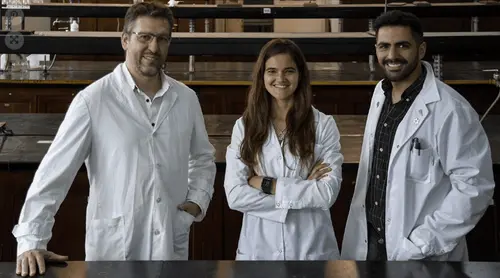
Scientists from the Faculty of Pharmacy and Biochemistry at UBA (University of Buenos Aires) have developed a bioprinting ink that contains cannabis oil for 3D printing and can be used to regenerate tissues or restore damaged organs.
The development was recently published in a special edition of the journal Polymers on "Biomedical Applications of Smart Hydrogel." It is a response to the growing medical need for new materials that can replace damaged organs, improve the healing of critical wounds, or assist in the formation of new healthy tissues.
Why Cannabis Sativa for This Development?
- cannabinoids may have anti-inflammatory, analgesic, antioxidant, antiemetic, anxiolytic, immunomodulatory, neuroprotective, antibacterial, and sedative activities.
- In the oils, there are other molecules such as terpenes and flavonoids that together create a medicinal synergy, meaning they can have a greater effect than that achieved by each molecule individually.
Before the final result, the developed project consisted of a combination of gelatin (hydrolyzed collagen along with sodium alginate, present in the cell wall of algae). This combination allowed the development of a bioprinting ink with which scientists can print structures on computers.
The obtained bioprinting ink was used to create supports on which cells can adhere and grow, through 3D bioprinting. The technology is extremely innovative worldwide and is positioned as a candidate to improve biomedicine today and thus give rise to new products and treatments using the plant's raw material.
The team of scientists believes that formulations with cannabis have great potential and concluded that the obtained product has significant market weight for application in dermal wounds, especially in healing.