Cannabidiol May Help in Dental Regeneration, Indicates USP In Vitro Study
Research suggests that the substance may stimulate tooth mineralization and reduce inflammation, paving the way for new dental treatments

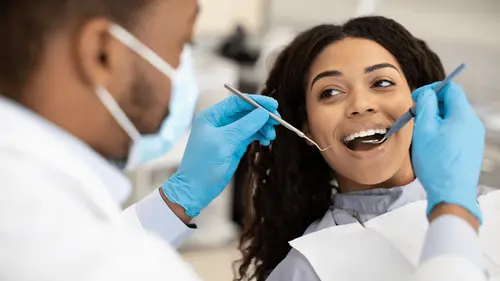
A study conducted at the Faculty of Dentistry of Ribeirão Preto at the University of São Paulo (Forp-USP) indicates that cannabidiol may play an important role in dental regeneration. According to the researchers, the substance stimulated the biomineralization of teeth even under inflammatory conditions, suggesting a therapeutic potential for regenerative dentistry.
The results were published in the Journal of Dentistry and indicate that cannabidiol, in addition to encouraging the formation of dental tissues, may act as an anti-inflammatory agent. As highlighted by Agência FAPESP, this discovery could benefit patients with dental problems resulting from inflammation, such as deep cavities, trauma, or other conditions affecting the dental pulp.
How the Study Was Conducted
The researchers used dental pulp cells from mice to test the effects of cannabidiol. Initially, these cells were exposed to tumor necrosis factor alpha (TNF-α), a substance associated with inflammatory processes and autoimmune diseases.
Subsequently, the cells were treated with different concentrations of cannabidiol over periods ranging from 24 hours to seven days. The goal was to assess the cells' ability to survive and function in an inflammatory environment, determining whether the substance extracted from Cannabis sativa has bioactive effects.
To measure biomineralization, the scientists used a dye called alizarin red, which marks the presence of mineralization nodules—essential structures for dental regeneration. This process occurs because mesenchymal stem cells from the dental pulp migrate to injured areas and differentiate into odontoblasts, the cells responsible for forming and maintaining dentin, the layer that protects the inner part of the tooth.
Anti-Inflammatory Effect of Cannabidiol
In addition to stimulating dental regeneration, the study investigated the action of cannabidiol on immune system cells, especially macrophages. These cells were pre-stimulated with bacterial lipopolysaccharide (LPS), a component of the cell wall of Gram-negative bacteria known to induce inflammation.
The tests showed that cannabidiol inhibited the production of inflammatory mediators by macrophages, primarily after 24 hours of exposure. This indicates that the substance may act not only in dental regeneration but also in reducing local inflammation, an essential factor for the success of regenerative dental treatments.
What This Means for Dentistry?
According to Professor Francisco Wanderley Garcia de Paula-Silva, coordinator of the research, the findings suggest that cannabidiol may be a promising bioactive agent for the repair of inflamed dental tissues. However, he emphasizes that the research is still in its early stages and that more studies are needed before the substance can be clinically applied.
The next step involves conducting clinical studies in humans to assess the efficacy and safety of cannabidiol. Issues such as the best method of administration, ideal dosage, and potential interactions with other dental treatments still need to be investigated.
Challenges and Future Perspectives
Before cannabidiol can be used in dental practice, it will need to undergo rigorous validation and approval processes by health regulatory agencies. Additionally, the implementation of new therapies based on cannabinoids requires reviews by ethics committees and independent studies to ensure their safety and efficacy.
With the growing interest of science in exploring the therapeutic benefits of cannabinoids, the expectation is that more research will be conducted in the coming years, paving the way for possible clinical applications in regenerative dentistry.