Cannabis and hemp: Argentina approves new usage rules
Argentine province sets guidelines to evaluate cannabis and hemp projects, combining technical rigor, health, and development. Check it out!

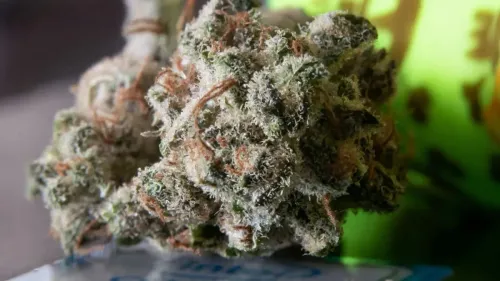
Cannabis and hemp - Behind every leaf cultivated and every regulatory project approved on paper, there is the hopeful gaze of a mother, a patient's silent search for relief, and the courage of growers who see in the land an opportunity for healing and transformation.
The decision made by Mendoza, a province in Argentina, is not just about bureaucratic decrees or state seals; it is about building safe bridges between scientific knowledge, environmental responsibility, and the human care that our society so deeply needs.
In this article, you will see:
The new regulatory landscape for cannabis and hemp in Latin America.
How the technical and health evaluation process works in Mendoza.
The strategic integration between public health, science, and regional agribusiness.
Direct socioeconomic impacts for patients, doctors, and investors.
The institutional responsibility of Mendoza's Ministry of Health.
The regulation establishes a multidisciplinary commission tasked with thoroughly analyzing the technical, economic, and phytosanitary aspects of each submitted proposal.
The government's main goal is to guarantee maximum traceability across all stages of the production chain, ensuring that raw material reaches laboratories and pharmacies under strict quality control.
As highlighted by the specialized publication Cañamo.net, the protocol requires investors and researchers to prove not only the genetic origin of seeds, but also the efficiency of water and energy resource usage in the region.
"Regulation must go hand in hand with responsibility. It is not just about opening a market, but ensuring that the entire process — from cultivation to the final product — offers total health safety for the patient who needs treatment," notes Cañamo.net's report when analyzing provincial requirements.
In addition to purely technical matters, the protocol pays special attention to the physical infrastructure for cultivation and extraction.
Perimeter security, proper disposal of organic and chemical waste, and the qualification of involved professionals are pass/fail criteria in the authorization process.
LEARN MORE: How Brazil can benefit from the Argentine regulation model
Science, Health, and Economy: The Integrated Impact on Society
Formal regulation of cannabis and hemp brings direct benefits that extend beyond bureaucratic limits.
For the medical and academic community, clear rules enable rigorous clinical trials, facilitating the development of new phytotherapeutic medicines based on phytocannabinoids with consistent standardization.
Below are the three strategic pillars outlined in Mendoza's document:
Therapeutic Quality Assurance: Standardizing cannabis and hemp crops ensures that medicinal extracts contain precise and predictable concentrations of CBD, THC, and other essential phytocannabinoids.
Fostering Socioeconomic Development: The creation of hundreds of direct and indirect jobs is estimated, integrating the local agricultural workforce into the biotechnology sector.
Consumer Protection and Traceability: Monitoring mechanisms prevent the diversion of raw materials and ensure that only validated products are distributed to the population.
With this stance, the Argentine province positions itself at the forefront of sustainable development in South America, showing that state regulation of cannabis and hemp can act as a facilitator of scientific progress and humanized public health.
The Importance of Rigorous Qualification of Industrial Hemp
One of the points most celebrated by industry experts is the clear distinction given to low-psychoactive varieties.
By separating the requirements for medicinal use from purely industrial applications, the government facilitates the emergence of industries focused on textiles, bioplastics, cosmetics, and sustainable construction materials.
This approach responds to a long-standing demand from rural producers, who saw excessive bureaucracy preventing the use of a crop with high added value and low environmental impact.
Support for soil research and crop rotation is one of the main highlights of the new provincial plan.
Patient Support and Future Outlook
At the center of all these regulatory and economic guidelines is the human being.
For the thousands of individuals and families who rely on these treatments daily to manage chronic pain, refractory epilepsy seizures, or symptoms of neurodegenerative diseases, Mendoza's decision brings peace of mind, dignity, and hope for tomorrow.
As governments across Latin America move forward in creating safe and transparent ecosystems, room is made for a more democratic, accessible, and integrative medicine, grounded in respect for scientific evidence and empathy for the suffering of others.
Legality and Rights: How Cannabis Use Works in Argentina
In Argentina, the regulatory landscape has experienced significant advancements in recent years, guaranteeing the legality of medicinal use and personal cultivation for therapeutic purposes through the state program Reprocann (Cannabis Program Registry).
Although recreational consumption remains formally decriminalized through jurisprudence, possession of cannabis without proper medical authorization can still lead to legal sanctions.
At the same time, the country is expanding strict regional frameworks, such as technical evaluation protocols in pioneering provinces, to oversee industrial production and the development of phytotherapeutics, ensuring a controlled ecosystem that combines public health, legal certainty, and economic incentives for the sector.
Sources and References Consulted (E-E-A-T)
Cáñamo.net — Mendoza establece cómo evaluará proyectos de cannabis y cáñamo. Available at:
https://canamo.net/noticias/mundo/mendoza-establece-como-evaluara-proyectos-de-cannabis-y-canamo Government of the Province of Mendoza — Ministry of Health, Social Development, and Sports. Public Health and Phytotherapeutics Guidelines.
World Health Organization (WHO) — Evaluation Reports on the Therapeutic Properties of Cannabis and Cannabidiol (CBD).