Cannabis and sports in the ring: can a breathalyzer detect THC?
Organizations evaluate cannabis and sports breathalyzers to test combat athletes before fights, ensuring ring safety without penalizing recovery

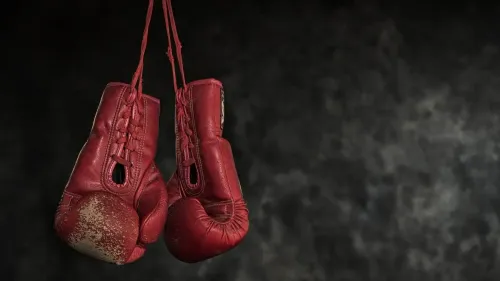
Amid the sweat of preparation and the intense backstage of combat sports, close attention to athletes' well-being gains a new and decisive chapter. The search for balance between physical recovery and peak performance finds the relationship between cannabis and sports at the center of a technological and regulatory transformation. Executives and medical commissions are closely examining devices capable of measuring recent THC use with a simple breath, seeking to protect lives in the ring without penalizing a fighter's daily care.
The initiative is gaining ground in debates promoted by international sports safety organizations, driven by the outlet Marijuana Moment.
The proposal revolves around the use of portable breath detectors, similar to traffic breathalyzers, at boxing and mixed martial arts (MMA) events. The main intention is not to marginalize those seeking natural therapies, but to ensure that no competitor enters combat under acute psychoactive impairment, a time when reflexes and reaction times must be at peak precision.
Technological advancement: the breathalyzer in cannabis and sports
Historically, traditional anti-doping testing has relied on urine and blood tests.
However, in the context of cannabis and sports, this model has clear limitations: inactive THC metabolites can remain detectable in the body for days or weeks after use, long after any cognitive impairment effects have dissipated.
"Urine indicates whether the substance was consumed at some point during the month, but it doesn't tell us if the athlete is under the influence of the compound right now, when the gloves are laced up," highlights the coverage by Marijuana Moment.
The new breath-testing devices focus on detecting delta-9 THC in breath, a time window indicating consumption in the hours immediately preceding the test. For impact sports, this distinction is essential.
[READ MORE: How cannabinoids assist in traumatic injury recovery]
Safety in the ring: focusing on the health of combat athletes
Unlike non-contact sports, fighting requires an immediate motor response. Losing milliseconds when slipping or blocking a strike can result in severe brain damage.
Preserving reflexes: Ensuring the athlete is 100% alert against severe trauma.
Reducing severe injuries: Minimizing risks resulting from slowed reaction times to facial or head strikes.
Fairness in the rules: Separating impairment at the time of the fight from therapeutic use during training.
Pre-fight transparency: Conducting immediate tests in dressing rooms, moments before entering the arena.
The transition from traditional testing to breath technology
The methodological shift brings relief to athletes who use plant extracts to treat chronic pain, muscle inflammation, and pre-fight anxiety.
| Test Type | Detection Window | What It Measures | Ideal Application |
|---|---|---|---|
| Traditional Urine | Days to weeks | Inactive metabolites (THC-COOH) | Residual consumption history |
| THC Breathalyzer | 2 to 3 hours | Active THC in breath | Immediate impairment and capability |
| Blood | Hours to days | Plasma concentration | Accident investigation and forensic analysis |
Calibration challenges in combat sports
Although the technology promises to align safety and fairness, regulators warn of the need for scientific rigor in defining cutoff thresholds.
Because body fat and individual metabolism influence THC release, the breathalyzer's accuracy must be flawless to prevent false positives in locker rooms.
"We need tools that protect fighters from injury without creating a witch hunt against legitimate therapies," point out experts interviewed by the publication Marijuana Moment.
[READ MORE: Understand the difference between CBD and THC in athletic performance]
From pain to recovery: the role of cannabinoids in training
The physical strain on those who live in the ring is continuous. Sprains, muscle micro-injuries, bruises, and concussions are part of the intense training routine.
The use of cannabinoids has become a frequent ally during the rest phase, reducing reliance on non-steroidal anti-inflammatory drugs (NSAIDs) and synthetic opioids.
Chronic pain management: Modulation of pain perception without harming the gastrointestinal tract.
Sleep quality: Improvement in deep sleep, essential for hormone synthesis and tissue repair.
Stress management: Relief from competitive anxiety without causing long-lasting sedation.
By focusing restriction strictly on the exact time of combat via breathalyzers, athletic commissions pave the way for fighters' mental and physical health care to continue during rest and recovery periods.
The future of regulation in global sports
The discussion led by martial arts organizations reflects a modernization trend reaching various professional leagues around the world.
Major organizations are already relaxing penalties for plant derivatives, recognizing that penalizing out-of-competition use does not serve the goals of modern anti-doping control.
The advancement of breath testing could serve as a model not only for combat sports, but also for disciplines like motorsport, cycling, and extreme sports, where continuous focus is a matter of survival.
Technology emerges to unite the responsibility of elite sports with respect for the overall health of those who dedicate their lives to athletics.
Sources and Bibliographic References
Marijuana Moment: Boxing And Combat Sports Officials Consider Marijuana Breathalyzer Device For Fighters (2026).
World Anti-Doping Agency (WADA): The Prohibited List and Cannabinoids Thresholds in Sports.
Journal of Science and Medicine in Sport: Cannabinoids in High-Performance Athletics: Recovery and Neurological Protection.
Keywords: Cannabis and sports, Cannabis and sports