Cannabis for Migraine: Does It Really Work?
An analysis of the medicinal use of cannabis in managing the condition


Those who suffer from migraines know how debilitating this condition can be. Much more than just a headache, migraines bring with them a range of overwhelming symptoms: nausea, vomiting, extreme sensitivity to light and sound, among others. They can persist for hours, even days, affecting not only physical health but also the mental and emotional well-being of those who face them.
The major challenge for doctors is that the exact cause of this condition remains a mystery. While genetic predisposition is suspected, identifying and avoiding individual triggers is still the best treatment strategy available. However, for many patients, this process can be long and frustrating, involving trials with different medications and their potential side effects.
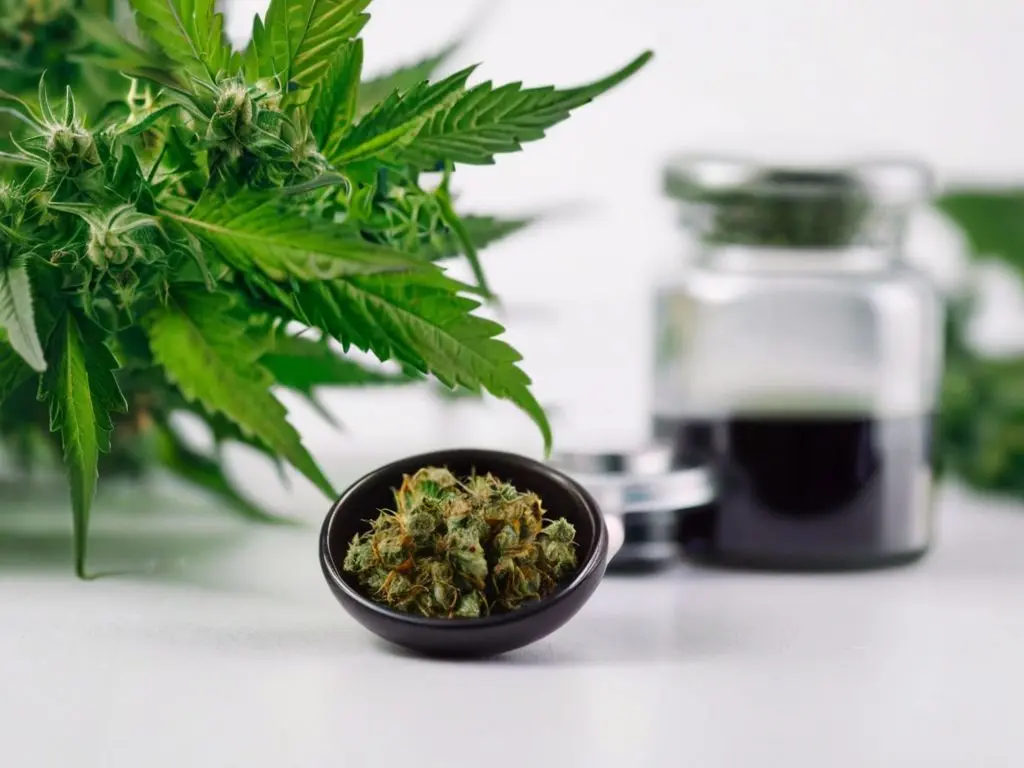
It is in this context that medicinal cannabis emerges as a promising alternative. The endocannabinoid system present in the human brain provides a platform for interaction with the compounds found in cannabis, particularly CBD (cannabidiol) and THC (tetrahydrocannabinol). These compounds have shown the ability to relieve not only pain but also other symptoms associated with migraines.
What Does Science Say?
Research conducted by renowned educational institutions around the world has shown encouraging results. Patients who used cannabis reported a significant reduction in the frequency and intensity of migraines, opening doors to new therapeutic possibilities.
In a 2016 study conducted by the University of Colorado, patients who used medicinal cannabis experienced an impressive drop in the frequency of migraines, from an average of ten to less than five per month. Similar results were observed in a 2019 study from Washington State University, where patients reported a reduction of up to 50% in pain associated with migraines.
Recently, researchers from the University of California explored the effectiveness of different formulations of vaporized cannabis. Surprisingly, the combination of THC and CBD proved to be superior to placebo in pain relief and in maintaining the absence of bothersome symptoms over time.
However, it is important to emphasize that there is still much to be studied. Although the results so far are promising, more multicenter and long-term research is needed to fully understand the benefits and risks of using cannabis in the treatment of migraines.
For those considering this treatment option, it is essential to consult a doctor. The dosage and method of administration must be carefully evaluated to ensure the safety and effectiveness of the treatment. Additionally, the legal context of cannabis use should be considered, as its availability varies significantly in different regions of the world.
Sechat provides a list of prescribing doctors of cannabis derivatives spread across different regions of Brazil.Access here.
In summary, although studies and anecdotal reports suggest that medicinal cannabis may be a valuable tool in the migraine treatment arsenal, it is crucial to continue investigating its potential and better understand how it can be safely and effectively integrated into clinical practice.