Cannabis in the US: Virginia Prepares Recreational Use Regulations
Cannabis in the US moves forward with recreational market regulations, featuring 6 legislative proposals that could define rules for sales in 2027. Learn more!

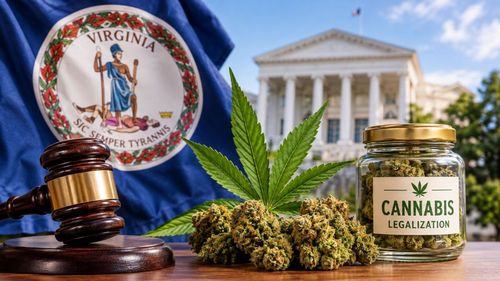
Cannabis regulation in the US, specifically in the state of Virginia, entered a new chapter this week. A state legislative committee approved six proposals that could guide changes to recreational market rules, including penalties for public consumption, store operating hours, and restrictions on lawmakers' involvement in the sector. The initiative comes ahead of the start of commercial sales, scheduled for July 2027.
The recommendations were approved by the Joint Commission responsible for overseeing Virginia's transition to a regulated cannabis market. The group is chaired by Senator Lashrecse Aird and presented the proposals to be considered during the 2027 legislative session.
Cannabis in the US: What Do the Six Virginia Proposals Entail?
Among the measures presented, one of the main ones addresses reducing the civil penalty for public cannabis consumption.
Currently, the fine for a first offense is $25. However, previously passed legislation provides that the amount will increase to $250 starting July 1, 2027. The committee recommends that lawmakers reconsider this increase.
Another proposal seeks to prevent an individual from being charged simultaneously with two state offenses related to cannabis consumption in public places and on public school grounds when both pertain to the same conduct.
The remaining recommendations involve commercial market operations and the integrity of legislative activities.
Here are the key points:
- Distance between establishments: the proposal sets limits so that local governments cannot expand certain buffer distance requirements between cannabis retail stores and institutions such as schools, hospitals, and daycares beyond 1,000 feet (approximately 305 meters).
- Operating hours: municipalities would not be allowed to restrict store operations to fewer than eight consecutive hours per day or fewer than seven days per week.
- Political participation in the sector: Virginia General Assembly lawmakers and their immediate family members would be barred from holding a direct or indirect interest in cannabis industry companies.
- Legislative update: the sixth proposal provides technical adjustments to legal provisions to reflect the change in personal possession limits, which increased from one to two ounces (approximately 56.7 grams).
All six measures still depend on the legislative process to become final rules. Approval by the committee represents a recommendation for the 2027 session rather than the immediate implementation of the changes.
Recreational Cannabis Sales in Virginia to Begin in 2027
Approval of the proposals comes as the state builds the framework to launch its regulated commercial market.
Virginia legalized cannabis possession and home cultivation in 2021, but kept commercial adult-use sales prohibited. The shift was established by legislation passed in 2026, which provides for the creation of a regulated adult-use market.
According to the timeline released by the Virginia Cannabis Control Authority (CCA), the agency responsible for regulating the sector, the milestones include:
- By February 1, 2027: start of accepting certain license applications;
- By May 1, 2027: deadline for issuing certain initial licenses;
- July 1, 2027: projected start of commercial recreational cannabis sales.
With the opening of the market, adults aged 21 and older will be able to purchase, in a single transaction, up to two ounces of cannabis in the US, eight grams of concentrates, or edible products containing up to 800 milligrams of THC.
Cannabis Regulation Broadens Debate on the US Market
The cannabis movement in the US, more specifically in Virginia, shows that building a regulated market goes beyond mere authorization for commercial sales.
The proposals involve issues such as enforcement, retail operations, political participation, penalties, and the zoning of businesses.
The challenge now will be turning recommendations into effective rules before sales begin. Implementation will also depend on the regulatory framework and licensing processes led by the state authority.
To follow the next steps, the Virginia Cannabis Control Authority provides updates on the market, including timelines, licenses, and regulations.