Cannabis Sativa and the Environment
What is needed to include cannabis as an essential crop in the agricultural rotation sequence?

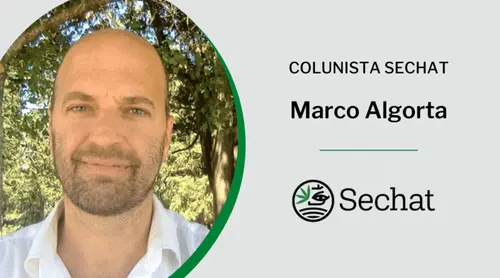
By Marco Algorta
Much has been said about the ecological potential of the Cannabis Sativa plant. On one hand, various agronomic and environmental attributes can position it as an important crop in the agricultural rotation sequence.
Its short production cycle (three to four months) and low requirement for fungicides and herbicides can play a vital role in reducing greenhouse gas emissions and provide valuable carbon sequestration credits to farmers (five times more than forests).
Additionally, crops help conserve valuable water resources, improving soil quality. The most emblematic case is that of Chernobyl.
For almost two decades, industrial hemp cultivation in the vicinity of the abandoned nuclear plant in Pripyat, Ukraine, has helped reduce soil toxicity.
In 1990, just four years after the initial explosion, the Soviet administration at the time requested that the International Atomic Energy Agency (IAEA) assess the environmental situation. In the 30 km exclusion zone around Chernobyl, high concentrations of various toxic metals, including lead, cesium-137, strontium-90, and plutonium, were found in the soil, as well as in plant and animal tissues.
In response, it was decided that a joint effort would be made to reduce soil contamination through the use of beneficial plants. This process, known as phytoremediation, was implemented almost immediately. Slavik Dushenkov, a research scientist at Phytotech, one of the organizations behind the hemp plantations, stated that hemp is proving to be one of the best phytoremediation plants we can find.
In practice, however, the situation is quite different.
On one hand, the high requirements for medicinal cannabis cultivation result in a significant carbon footprint for this activity. Enormous amounts of energy are being spent to obtain a final product that meets hyper-demanding health regulations worldwide. The increase in energy costs due to the war in Europe makes production unprofitable.
Even industrial hemp crops, despite sustainable agricultural production, have a production and distribution chain to the end customer that is far from sustainable. Hemp food products exported by air, high post-harvest process requirements and additional costs, always applied in a market of distrust, significantly increase their carbon footprint.
It is necessary to deregulate Cannabis Sativa. Deregulate to create products with real therapeutic value, for greater accessibility to products by patients, deregulate to generate an industry with real added value, to take advantage of a development opportunity and job creation, and also deregulate to make this sector an alternative against climate change, thus moving from discourse to real ecological sustainability.
The opinions expressed in this article are personal and do not necessarily correspond to the position of Sechat.
About the author:
Marco Algorta lives in Uruguay and has been in the cannabis industry since the beginning. He was one of the promoters of the Chamber of Medicinal Cannabis Companies, being elected the first president. Marco has given lectures in the United States, Canada, Mexico, Argentina, Uruguay, and Brazil, is a father of five children, and holds a master's degree in narrative and creative writing.