Cannabis Sativa, Indica, and Hybrid: Understand the Differences and Which Is the Best Option for You
Discover how the characteristics, origins, and effects of each type of cannabis influence the user's experience

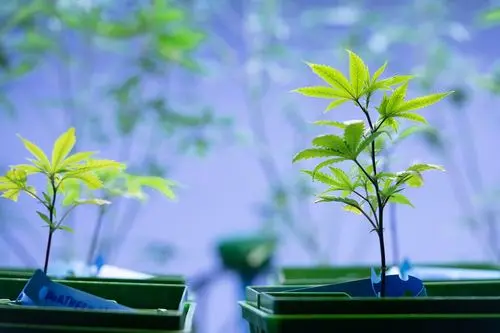
Cannabis is a fascinating plant, widely known for its therapeutic, industrial, and recreational properties. It is divided into three categories: sativa, indica, and hybrid, terms that not only describe the plant's appearance but also the effects they produce. However, understanding the differences between these classifications can be an essential step in choosing the best variety for your needs.
Origin and Characteristics
- Cannabis Sativa
Originating from hot and humid regions like countries in Asia, Africa, and Central America, sativa is known for its tall and slender structure, with thin and elongated leaves. Adapted to tropical climates, it has a longer cultivation cycle.
Effects on the Body
Associated with energizing and cerebral effects, sativa is ideal for activities that require creativity, socialization, and focus. It is often chosen to treat conditions like depression and fatigue.
- Cannabis Indica
Native to cold and mountainous regions in the north, such as Afghanistan and Pakistan, indica is characterized by being a more robust plant, with broad and dense leaves, and a shorter growth cycle.
Effects on the Body
Famous for its relaxing and sedative effect, indica is recommended for nighttime use. It can help alleviate pain, anxiety, and insomnia, being the favorite of those seeking a moment of rest.
- Cannabis Hybrid
Hybrid varieties are the result of crossing sativa and indica plants. As a result, they combine physical characteristics and effects of both species, allowing greater flexibility in choice.
Effects on the Body
Hybrids can have more balanced effects, varying according to their genetic dominance (indica or sativa). They are often used for therapeutic and recreational purposes, adapting to a wide range of needs.
Traditional Classification vs. Modern Science
Although the classification between sativa, indica, and hybrid is widely used, it is more related to the botany and physical structure of the plant than to its effects. Modern science argues that the chemical compounds of cannabis — cannabinoids and terpenes — play a central role in the perceived results.
THC and CBD, for example, are the most well-known cannabinoids, while terpenes like myrcene and limonene influence the aroma and therapeutic effects. Combined, these compounds create the so-called entourage effect, which determines how cannabis interacts with the body.
Learn More in the Sechat Cannabis Guide
To explore these and other information about cannabis, be sure to check out the 4th edition of the Sechat Cannabis Guide. The material, provided for free, offers detailed insights on the plant varieties, their therapeutic benefits, and guidance for conscious use. Download now through the link: https://sechat.com.br/e-book.