CBD Isolate, Broad Spectrum, or Full Spectrum? Learn which cannabis oil is indicated for each case
In Deusa Cast, pediatrician Lays Mello details how each formulation influences therapeutic outcomes and treatment safety

Published on 10/16/2025
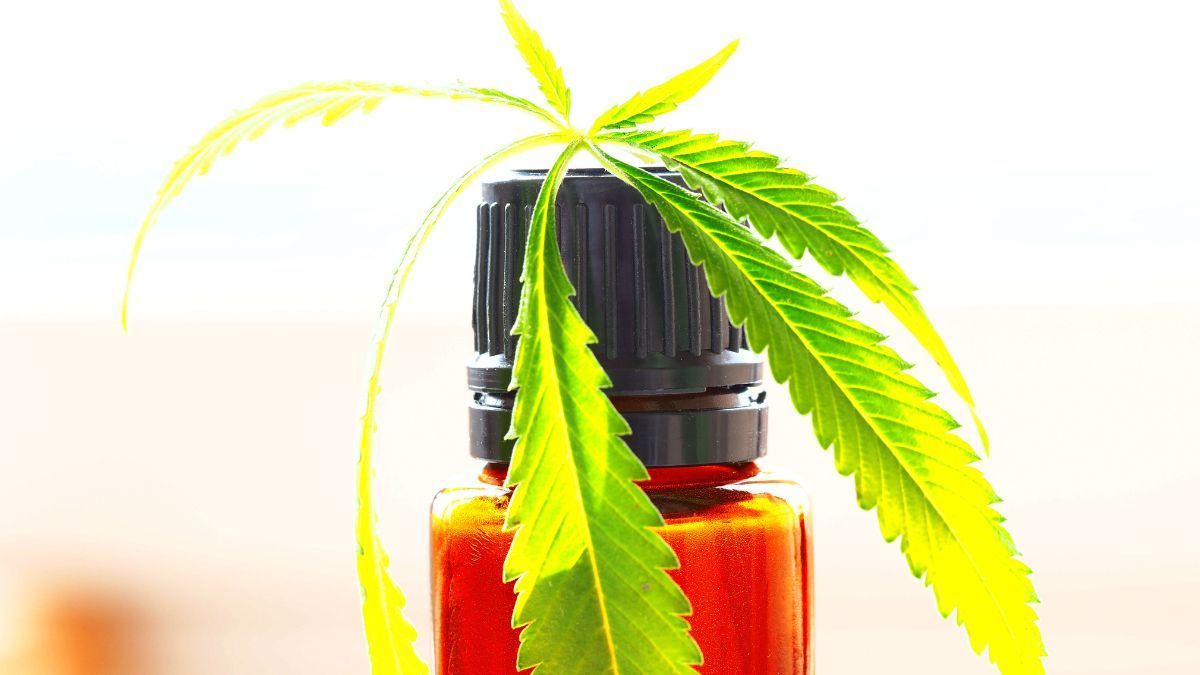
Image: Canva Pro
The Deusa Cast podcast dedicated its 45th episode to demystify the use of cannabinoids in pediatrics, a topic of growing relevance for families and healthcare professionals. The guest to delve into the subject was Dr. Lays Mello, a pediatrician with studies in Endocannabinoid Medicine and work at the outpatient clinic of the Jundiaí Medical School.
During the conversation, the doctor detailed the different available cannabis oil formulations and how each one can be applied, explaining that treatment goes far beyond isolated cannabidiol (CBD).
Formulations and the importance of cannabinoids in pediatrics
Dr. Lays Mello began by clarifying the composition of the main types of oils, emphasizing that the correct choice is fundamental in the use of cannabinoids in pediatrics. "We basically have three oil formulations. The oil with just CBD, right? Pure CBD, which is the isolate," she explained.
She continued, differentiating formulations that include other plant components. “We have Broad Spectrum CBD, which is a spectrum without THC. We take the whole plant, CBD, CBG, CBN, THCV, including flavonoids and terpenes, which act together to enhance the positive effects,” detailed the pediatrician.
The third formulation is the one that includes all compounds, including tetrahydrocannabinol (THC). “And when we talk about full [spectrum], we have the whole plant, meaning including THC,” she stated. According to her, in the pediatric range, work is done with Full Spectrum oils that have low THC concentration, usually less than 0.3%.
The role of THC and precautions in pediatric treatment

One of the central points of the discussion was the therapeutic function of THC and safety protocols for its use in children. Dr. Lays Mello emphasized the need for a thorough evaluation before starting a treatment that includes the compound.
“We always do an initial screening to assess family history of schizophrenia or significant psychiatric illnesses. Because THC can be the 'key turner' for these diseases, be the trigger,” warned the specialist.
Despite the risks, she points out that the adverse psychoactive effects reported in studies are generally mild and brief. “The child didn't know where she was, got lost in terms of memory, but that was a brief event,” she commented on an acute case. Treatment safety lies in the combination of cannabinoids, where CBD modulates the effects of THC.
Entourage Effect: the synergy that enhances treatment
The doctor highlighted the importance of the "entourage effect" — the synergy between the various plant compounds — for the effectiveness of cannabinoid treatment in pediatrics, especially in autism cases.
“Autism doesn't fit well with isolated CBD, because it won't have all that potential we talk about with the entourage effect,” she pointed out. According to her, the interaction between cannabinoids, terpenes, and flavonoids enhances results, providing social improvement and cognitive flexibility.
For epilepsy, however, the scenario is different. “In the case of epilepsy, we have a lot of positive evidence with isolated cannabidiol and now we are having more evidence with it in broad spectrum as well,” she stated, emphasizing that the choice depends on the clinical picture.
Quick Guide: understanding cannabis oil
To add to the discussion on cannabinoids in pediatrics, we gathered important information about the use of cannabis tinctures and oils.
Difference between Oil and Tincture: Oils usually use CO² to extract compounds, diluted in carrier oils (like coconut). Tinctures use alcohol or water as a base for extraction.
How to choose the ideal product? Full-spectrum products are often recommended for containing the full range of cannabinoids, promoting the "entourage effect" and enhancing therapeutic benefits.
How to use and dose? Sublingual administration (drops under the tongue) is the most common, allowing for rapid absorption. Precise dosing, with a dropper or syringe, is crucial for treatment safety and efficacy.