CIOSP discusses advancement of cannabinoid therapies in dentistry after Anvisa update
The topic was discussed during a lecture at the 43rd CIOSP, the largest dentistry congress in Latin America, focusing on scientific evidence and the impacts of Anvisa's new regulations on dental practice in the treatment of orofacial pain.

Published on 01/30/2026
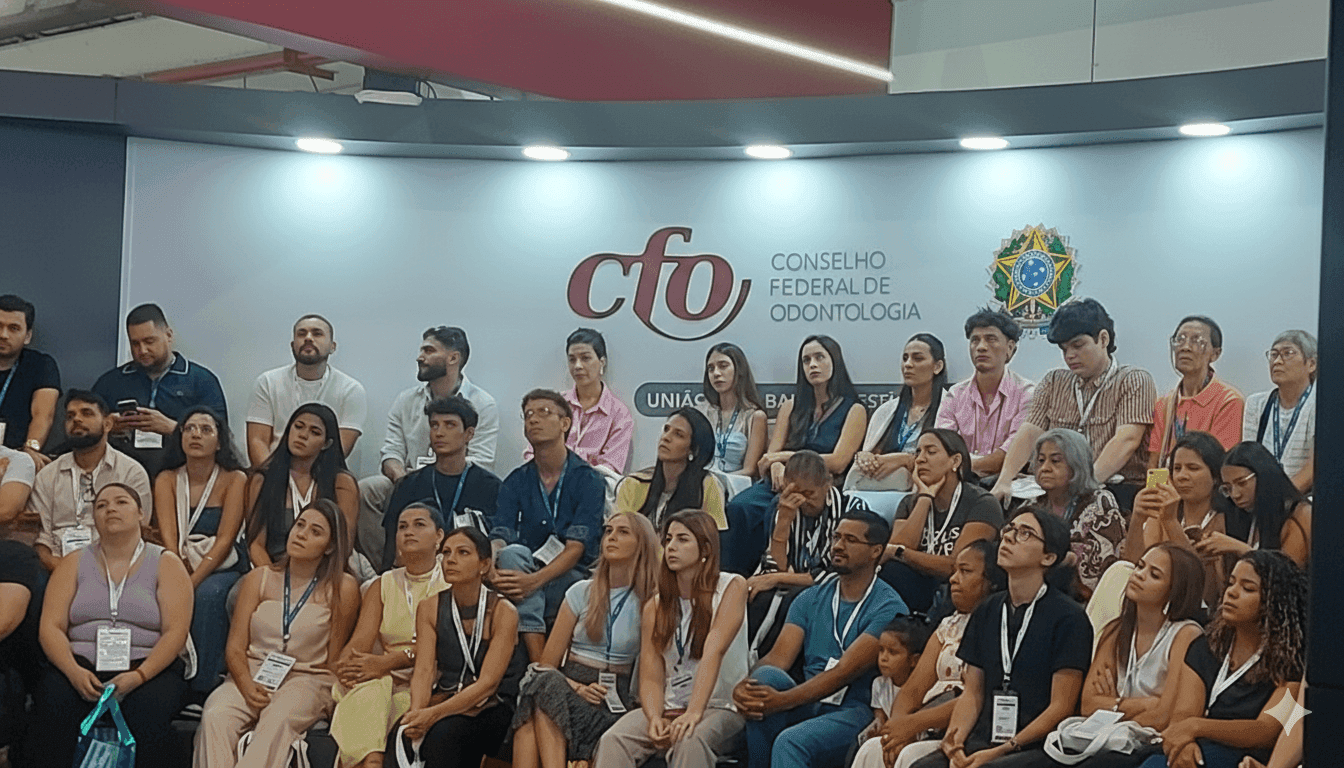
Held at the CFO Arena, space of the Federal Council of Dentistry, the lecture brought together professionals to discuss scientific evidence and the impact of recent regulatory changes in Brazil. Image: Canva Pro
On Thursday afternoon (28), the 43rd edition of the International Congress of Dentistry of São Paulo (CIOSP) hosted a lecture dedicated to the perspectives of cannabinoid therapies in dentistry.
Held at the CFO Arena, space of the Federal Council of Dentistry, the lecture brought together professionals to discuss scientific evidence and the impact of recent regulatory changes in Brazil.
Anvisa's Update and National Cultivation

The presentation was conducted by specialist João Paulo Tanganeli, who contextualized the plant's journey to the contemporary scenario. The debate took place one day after the update of RDC 327 by Anvisa.
The new regulation establishes guidelines for the commercialization of products and opens pathways for national cultivation. Tanganeli highlighted the importance of legal and technical security in this new moment of cannabinoid therapies in dentistry.
"There was a very interesting concern regarding safety, especially in national soil cultivation. Science and technology institutions will probably make the process even more serious," stated the specialist.
Clinical Benefits and Orofacial Pain
In the clinical aspect, Tanganeli detailed the functioning of the Endocannabinoid System. According to him, the area of orofacial pain and Temporomandibular Dysfunction (TMD) concentrates the most evidence for the use of cannabinoid therapies in dentistry.
Research on cannabis is on the rise. In 2024, there were 16 thousand articles published in the last three years," he pointed out. "In dentistry, orofacial pain has more support. In TMD, there are only four studies, but I have already seen cases of extreme improvement," he added.
Teleodontics and new CFO regulations
The closing addressed the modernization of the Federal Council of Dentistry's own regulations. With Resolution CFO No. 278/2025, the category now has the support of Teleodontics.
This measure allows for teleconsultations for the prescription of cannabinoid therapies in dentistry. The goal is to expand access and ensure the safety of patients in need of this therapeutic support.
Increasing demand in dental offices
The interest in the lecture reflected a demand from dentists seeking theoretical foundation. For many, the event was their first formal contact with science applied to oral health.
Orthodontist Elaine Tsuneko Nagamine emphasized her quest to fill knowledge gaps. "As I work with orthodontics and the professor talked about TMD, I felt interested in knowing how I could prescribe to help my patients," she explained.
Antonio Carlos Ferreira, a dentist in the public healthcare system in Santa Rosa de Viterbo (SP), mentioned that the search for information is spontaneous. Patients seek guidance that professionals need to be able to provide.
"Cannabis will be an extremely important tool for clarifying diseases that currently have no cure but can be controlled," concluded Ferreira, reinforcing the future of cannabinoid therapies in dentistry.