Could cannabis combat malaria?
Researchers from the Department of Chemistry at the University of Cape Town in South Africa have found indications that traditional African communities used the plant, specifically THC, to control the fever caused by the disease.

By João R. Negromonte
Among the various discoveries of mankind, such as fire, the wheel, and the domestication of dogs, we can seemingly add the treatment of malaria with cannabis. Data contained in the oldest pharmacopoeia in the world, dated over 5000 years ago, reveal that the medicinal use of cannabis was a common practice against the fever caused by malaria. But before we learn more about this important study, we need to understand a bit more about the disease.
Where did it originate, what are the effects, and how to treat malaria?
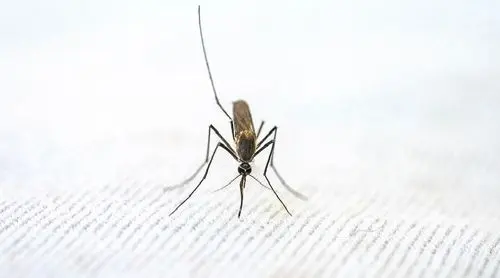
Generally transmitted by the bite of Anopheles mosquitoes, which carry the Plasmodium parasite, malaria is believed by researchers to have originated on the African continent.
The severity of the disease varies according to the type of protozoan (Plasmodium) found. The mosquito that transmits the disease, being a hematophagous animal, meaning it depends on blood consumption to survive, quickly and effectively infects a large number of people. The bite of this insect causes symptoms such as headaches, chills, fever, and nausea.
The action of the parasitic microorganism (Plasmodium) is precisely the infection of red blood cells, which, through the bite of the female mosquito, ends up infecting blood cells, causing their destruction and the crystallization of heme - a toxic byproduct of its consumption of hemoglobin called hemozoin - as the parasite feeds only on globin.
Many years later, a medication approved by the Food and Drug Administration (FDA), Dronabinol (whose active ingredient is THC), was identified in a virtual screening study as potentially effective against hemozoin crystals.
But what does this mean?
It means that by preventing this bio-crystallization, the growth cycle of Plasmodium can be interrupted. According to an article published in 1999 in the journal Nature, hemozoin is essential for the survival of the insect and the spread of the disease in the body, that is, by eliminating this substance, the transmitter and the disease are eliminated.
A new study conducted by researchers at the University of Cape Town, South Africa, showed that THC inhibited the growth of the malaria parasite, as expected, but the highlight was CBD, which despite having a moderate effect against the development of the protozoan, inhibited the formation of β-hematin (hematin that stimulates globin synthesis), the main “food” of the parasite.
The co-author of the study, Ana Carolina Corrêa de Sousa, in an interview with The Cannabis Scientist portal, emphasizes that “Anandamide, an important agonist (a substance capable of binding to a cell receptor and activating it to provoke a biological response), produces a beneficial effect on the hematological system, acting directly on human red blood cells. Thus, by stimulating this action in mice infected with Plasmodium, we can observe that there was a fight against parasitemia, preventing the lethal course of the disease.”
When asked if she was surprised by the activity of CBD in antimalarial activity, the researcher emphasized:
“I would be surprised if CBD showed no activity at all. Due to the evidence from ancient texts and its chemical similarity to THC, antimalarial activity was expected, but the strength of the activity was surprising.”
Another topic that was questioned was whether health professionals would be reluctant to use THC - due to its active principle - in the treatment of malaria? The researcher was emphatic in her response:
“Absolutely. The psychoactivity of THC brings barriers to its medicinal use, although it is already approved by the FDA to treat various pathologies such as chronic pain and symptoms resulting from chemotherapy.”
Finally, the lingering question is: is it possible to minimize the psychoactive effects of THC and optimize its therapeutic potential against malaria?
Well, according to the scientist, further research and clinical trials are needed to accurately affirm the efficacy of this substance for this therapy; however, studying other cannabinoids to understand the structure-activity relationship and the mechanism of action would serve as a molecular modification tool that would reduce the side effects of the component, concludes the researcher.