Czech Republic expands prescription of medicinal cannabis to chronic diseases
Since April 1st, Czech doctors are authorized to prescribe cannabis for chronic pain, marking a breakthrough in access to more humane and effective therapies

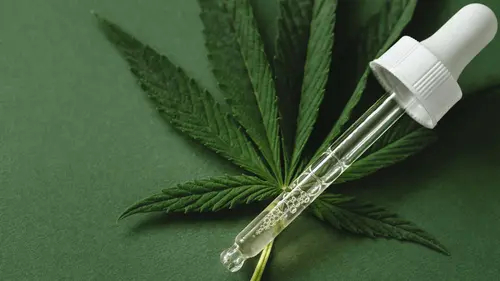
Those who suffer from chronic pain know very well what it is like to live with this presence, sometimes invisible, sometimes insistent. It is a constant challenge, but now, for patients in the Czech Republic, it can be a 'relief', as since April 1st, general practitioners have the right to prescribe medicinal cannabis for patients with resistant chronic pain.
Until now, only about 250 specialists were authorized to prescribe cannabis as an aid in treatment, creating a narrow funnel between suffering and relief. The regulatory change not only democratizes access to the plant but also redirects the therapeutic compass: from morphine and fentanyl to cannabis, less invasive, more generous in its promises of well-being.
'Cannabis is significantly less dangerous and does not have such a powerful effect. Therefore, it would be strange if general practitioners could not prescribe it,' said Petr Šonka, president of the General Practitioners Association.
A relief that now reaches further
The first to feel the effects of the change will be patients with chronic pain who do not respond to traditional treatments. But not only them: minors under 18 with oncological or incurable diseases also gain access to cannabis treatment, within the context of palliative care.
For other clinical conditions - such as neurological disorders or symptoms related to cancer - the path still depends on specialist evaluation. But the new law already allows each patient to receive up to 180 grams of dried flower per month (or the equivalent in extracts), with the possibility of a prescription valid for up to three months - a breath of freedom in the face of the bureaucracy that previously imposed monthly returns.
The growth of a choice
The legalization of medicinal cannabis in the Czech Republic is not recent, they have had authorization since 2013, but only now are its fruits showing more maturity. In 2023, almost 320 kilograms were distributed legally, compared to the timid less than one kilogram in the first year. Still, the number of official prescriptions falls short of demand: it is estimated that about 600,000 people use cannabis exclusively for medicinal purposes, while over a million resorted to the plant for self-medication in the last year.
The reform, say its supporters, is a firm step in an attempt to correct this mismatch between need and access.
Insurers, hope, and what is still lacking
Since 2020, costs for medicinal cannabis have been partially reimbursed by the Czech healthcare system. In 2022, the General Health Insurance Company covered 17.2 million Czech crowns, benefiting over 3,000 patients. The reimbursement covers up to 90% of the value of up to 30 grams per month, which is a relief, but not total.
There are still obstacles. The requirement for specialists for some diseases, the high cost of more intensive treatments, and the reimbursement limit are bottlenecks that still need solutions. Doctor Pavel Kubů proposed the creation of specialized centers with public funding as a next step towards equity.
When care blossoms
The decision to expand access to medicinal cannabis in the Czech Republic is not just a public health measure. It is also a gesture of sensitivity. In a world where suffering often hides behind medical records, attentive listening to the real needs of patients is a revolutionary act.
Perhaps, as in a field of hemp swaying in the wind, it is possible to imagine a future where medicine flourishes not only in science but also in compassion.