Edibles gain ground in medical cannabis treatment in the US
Patients, doctors, and cannabis advocates celebrate the expansion of therapeutic options with the inclusion of edibles, offering safer and more accessible alternatives

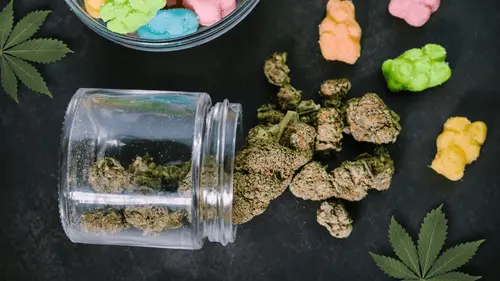
In a move that represents hope and progress for patients seeking relief, the state of North Dakota announced the inclusion of edibles in its medical cannabis program. Governor Kelly Armstrong (Republican) signed House Bill 1203 into law, allowing edible lozenges to be recommended for qualifying patients.
Celebrated by patients, doctors, and cannabis advocates, the measure expands therapeutic options for those who need safe and accessible alternatives. The new rules mandate that each serving contain a maximum of 5 milligrams of cannabinoids, capping the total package at 50 milligrams. Additionally, packaging must be child-resistant and tamper-evident, addressing legitimate concerns to ensure safety and responsibility.
A step forward in cannabinoid medicine
For many people living with chronic pain, neurodegenerative diseases, or other severe conditions, the new regulation translates into a better quality of life. Edibles offer a discreet, long-lasting alternative compared to other methods of cannabis administration, such as smoking or vaporizing.
Patients and advocates hope this opening will not only broaden access but also reduce the stigma surrounding the medicinal use of the plant. After all, for many, relief can come in small forms—like a lozenge that eases pain and restores dignity to daily life.
The fight for decriminalization continues
Despite this progress, not all news coming out of North Dakota is positive. The state Senate rejected House Bill 1596, which proposed decriminalizing the possession of small amounts of cannabis up to 15 grams, by a vote of 33 against and only 13 in favor.
Had it passed, HB 1596 would have reclassified possession as a non-criminal infraction, potentially preventing convictions that disproportionately impact citizens' lives, as well as relieving the judicial system of minor offenses.
The expectation now is that the issue will return to the agenda in future legislative sessions. With cannabis already legalized for adult or medicinal use in nearly half of US states, North Dakota appears to be moving, albeit slowly, toward a fairer and more humane future.