Faculty of Pharmacy at the University of Lisbon launches unprecedented course on best practices in the cannabis sector
Training promoted with support from INFARMED addresses cultivation, regulation, and medicinal applications of the plant

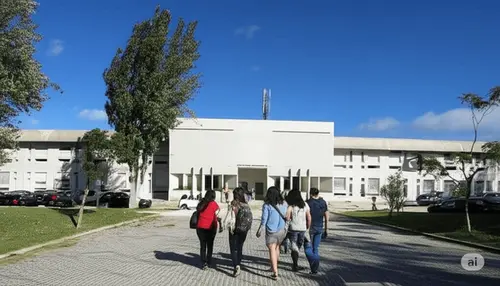
The Faculty of Pharmacy at the University of Lisbon (FFUL) has opened registrations for the first edition of the course “Best Practices in the Cannabis Sector (GcannabisP): Science, Regulation, Technologies, and Society.” The training is promoted in partnership with INFARMED — National Authority of Medicines and Health Products — and the National Medicines Laboratory (LNM).
Scheduled to start on September 19 and end on December 20, 2025, the course will be taught in a hybrid format, combining in-person and distance learning. The aim is to empower professionals who work or wish to work in the areas of cultivation, production, regulation, and medicinal and supplementary use of cannabis, from a multidisciplinary approach that encompasses scientific, technological, social, and legal aspects.
Target Audience and Content Scope
The training is aimed at pharmacists, agronomists, chemists, biologists, doctors, nurses, toxicologists, managers, investors, researchers, regulatory authorities, auditors, and other professional profiles involved in the medicinal cannabis sector — such as producers, manufacturers, importers, distributors, legislators, formulators, and trainers.
The faculty will be coordinated by Helena Maria Cabral Marques, full professor at FFUL; Rui Miguel Dias Loureiro, retired invited assistant professor of the institution; and Adriana Ribeiro, pharmacist, post-doctorate in cannabis, and external researcher at the Drug Research Institute (iMED) of the Faculty of Pharmacy at the University of Lisbon.
International Collaboration and Exchange of Experiences

Adriana Ribeiro, who conducts research in Pharmaceutical Technology focusing on the development and characterization of cannabis-based formulations, emphasizes the integrated and international nature of the postgraduate program. According to her, the program will feature “the active participation of national and international experts,” which will allow for “the exchange of experiences and advanced knowledge” between students and invited professionals.
Furthermore, according to Adriana, the course will provide participants with “contact with different regulatory, scientific, industrial, and social realities.” For the researcher, “this approach expands the understanding of the sector and promotes a strategic, global, and applied vision.”