Federal reclassification of cannabis in the US focuses on medicinal use
The change in federal legislation recognizes the medical use of cannabis, but does not alter the rules for recreational consumption or the national prohibition

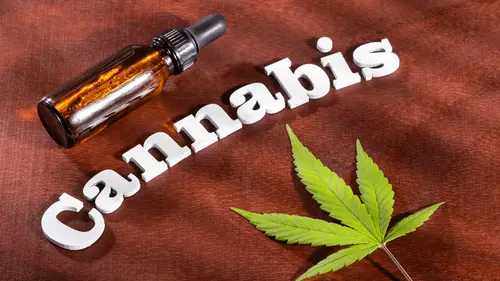
By proposing to remove cannabis from the list of the most restricted substances in federal legislation, the United States government has taken a significant step in the field of health. Nevertheless, the reclassification raises questions about its practical application and makes it clear that the focus of the change is on medicinal use.
According to MJBizDaily, the initiative of the US government aims to transfer cannabis from Schedule I to Schedule III of the Controlled Substances Act, a move that officially recognizes the accepted medical use of the plant and its therapeutic potential. Schedule I includes substances considered to have no medicinal value, while Schedule III includes drugs with medical applications and lower potential for abuse.
What changes with the new classification
According to MJBizDaily, the reclassification does not mean the broad legalization of cannabis at the federal level. The measure is directly related to medicinal use and the expansion of scientific research, as well as facilitating regulatory processes related to plant-derived medications. Expected impacts include reducing barriers to clinical studies and greater alignment between federal policies and existing state medical cannabis programs.
The change may also ease fiscal restrictions faced by companies operating legally in the medical sector, as Schedule I substances are subject to stricter rules. However, these effects still depend on additional regulations and the actions of federal agencies responsible for law enforcement.
Recreational use remains outside the scope
According to the site, the reclassification does not extend to adult or recreational use of cannabis. The order does not change the federal prohibition of this type of consumption, nor does it directly interfere with state laws that allow or restrict the sale and recreational use of the plant. Thus, the legality of non-medical use continues to vary according to the legislation of each state.
MJBizDaily also highlights that the reclassification process involves administrative steps that go through agencies such as the Drug Enforcement Administration (DEA), which means that the full implementation of the change may take time. Until then, the scope of the measure remains focused on recognizing the medicinal value of cannabis and encouraging scientific research.
With information from MJBizDaily.